Last Updated on May 12, 2026 by Lila Sjöberg
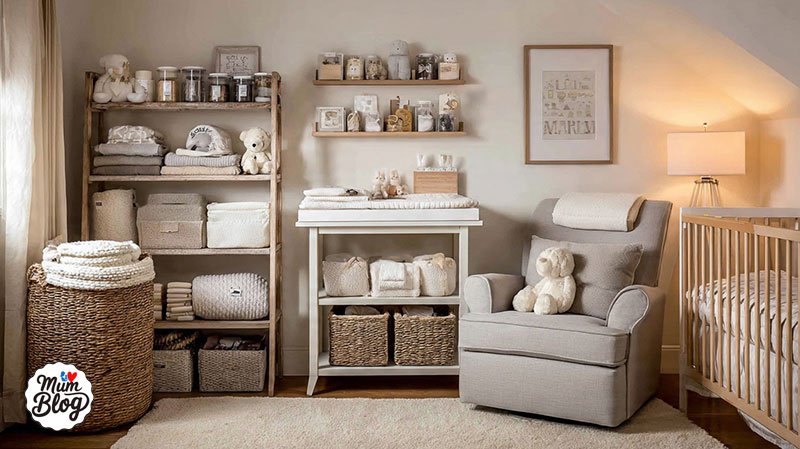
You’re staring at a baby registry list that’s longer than your arm, wondering if you really need a wipe warmer and why there are seventeen different types of bottles. I’ve been there — overwhelmed, excited, and slightly panicked about whether I was forgetting something crucial.
Key Takeaways
- You need far fewer items than baby registries suggest — focus on the essentials first
- Newborns require basics for feeding, sleeping, diapering, and safe transportation
- Most nice-to-have items can wait until after baby arrives and you know what you actually need
- Borrowing and buying secondhand is smart for items babies outgrow quickly
- The most important preparation is creating a safe sleep space and having feeding supplies ready
The Short Answer: A newborn essentially needs a safe place to sleep, a way to eat, diapers, a few basic clothing items, and a car seat to get home from the hospital. Everything else — while helpful — can be added as you figure out what works for your family.
Here’s the thing: babies have been thriving for thousands of years without bottle warmers, specialized diaper pails, or organic bamboo swaddles. That doesn’t mean modern conveniences aren’t helpful — they absolutely can be. But when you’re drowning in product recommendations and conflicting advice, it helps to strip things back to what truly matters.
I remember bringing my first baby home and realizing half the stuff I’d bought sat untouched while I desperately wished I’d gotten more of the things I actually used daily. This checklist is what I wish someone had given me — the real essentials, organized by what you’ll actually need, with honest notes about what’s worth it and what you can skip.
Safe Sleep Essentials
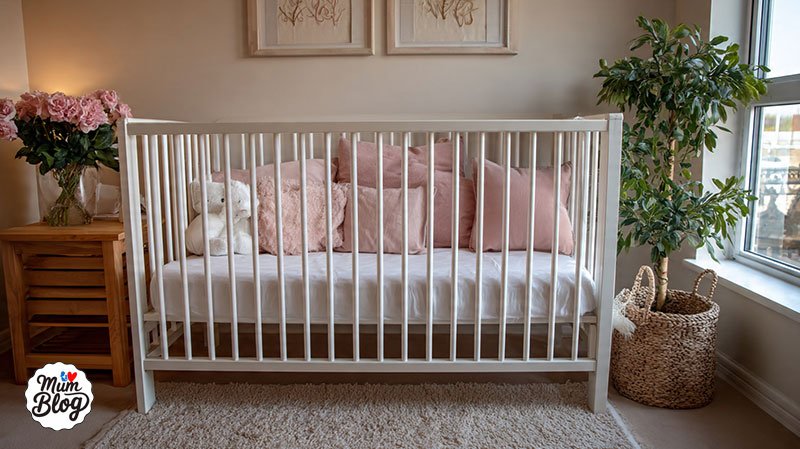
Sleep is going to dominate your life for the next several months, so getting this right matters. According to the American Academy of Pediatrics, babies should sleep on their backs on a firm, flat surface with no loose bedding, pillows, or soft toys.
What you need:
A crib, bassinet, or play yard with a firm, flat mattress is non-negotiable. For the first few months, many parents find a bassinet convenient for nighttime feeds since it fits right next to your bed. If you go this route, you can transition to a crib later.
Fitted sheets — get at least 2-3 so you have backups for middle-of-the-night blowouts. Make sure they fit snugly with no loose fabric.
A swaddle or sleep sack can help newborns feel secure. Some babies love being swaddled; others fight it from day one. Having a couple options lets you figure out what your baby prefers. For more on helping your little one sleep, our complete sleep training guide covers all the approaches.
What you can skip for now: Fancy crib bedding sets with quilts and bumpers — these are actually safety hazards for newborns. Same goes for crib mobiles that hang within reach and weighted sleep products.
See our sleep and comfort picks for options we love.
Feeding Supplies
Whether you’re planning to breastfeed, bottle-feed, or some combination, you’ll need a few basics ready to go.
For breastfeeding:
A nursing pillow makes positioning so much easier, especially in those early weeks when you’re both figuring things out. Your arms will thank you.
Nursing bras — get 2-3 comfortable ones. Skip the underwire for now. Look for easy one-hand access because you’ll be fumbling in the dark at 3 AM.
A breast pump if you plan to pump at all. Many insurance plans cover them — check with your provider before buying.
Breast pads to catch leaks. You can choose disposable or washable depending on your preference.
Nipple cream like lanolin can be a lifesaver in the early days when things are tender.
For bottle feeding (formula or pumped milk):
Bottles and nipples — start with a few different types if you can. Babies can be surprisingly picky, and what works for one might not work for yours.
Formula if you’re using it. Your pediatrician can recommend options, but having a small supply ready at home provides peace of mind.
A bottle brush for cleaning.
Burp cloths — these double as spit-up catchers, drool wipers, and general mess management. You can never have too many. Seriously, buy more than you think you need.
Check out our feeding and nursing essentials for gear that makes mealtimes smoother.
Diapering Station Setup
You’re going to change approximately one million diapers in the next year. Okay, more like 2,500, but it will feel like a million. Setting up an efficient station makes life easier.
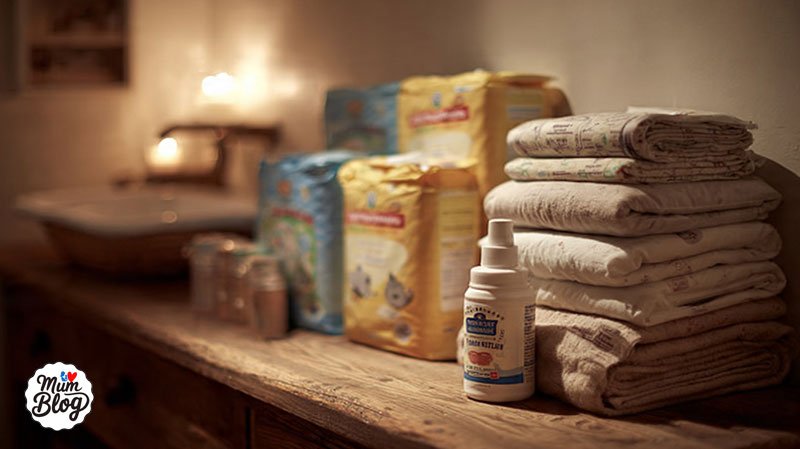
The essentials:
Diapers — whether disposable or cloth, have a good stash ready. Newborn size for the beginning, but don’t stockpile too many since babies grow fast. Some babies skip newborn size entirely.
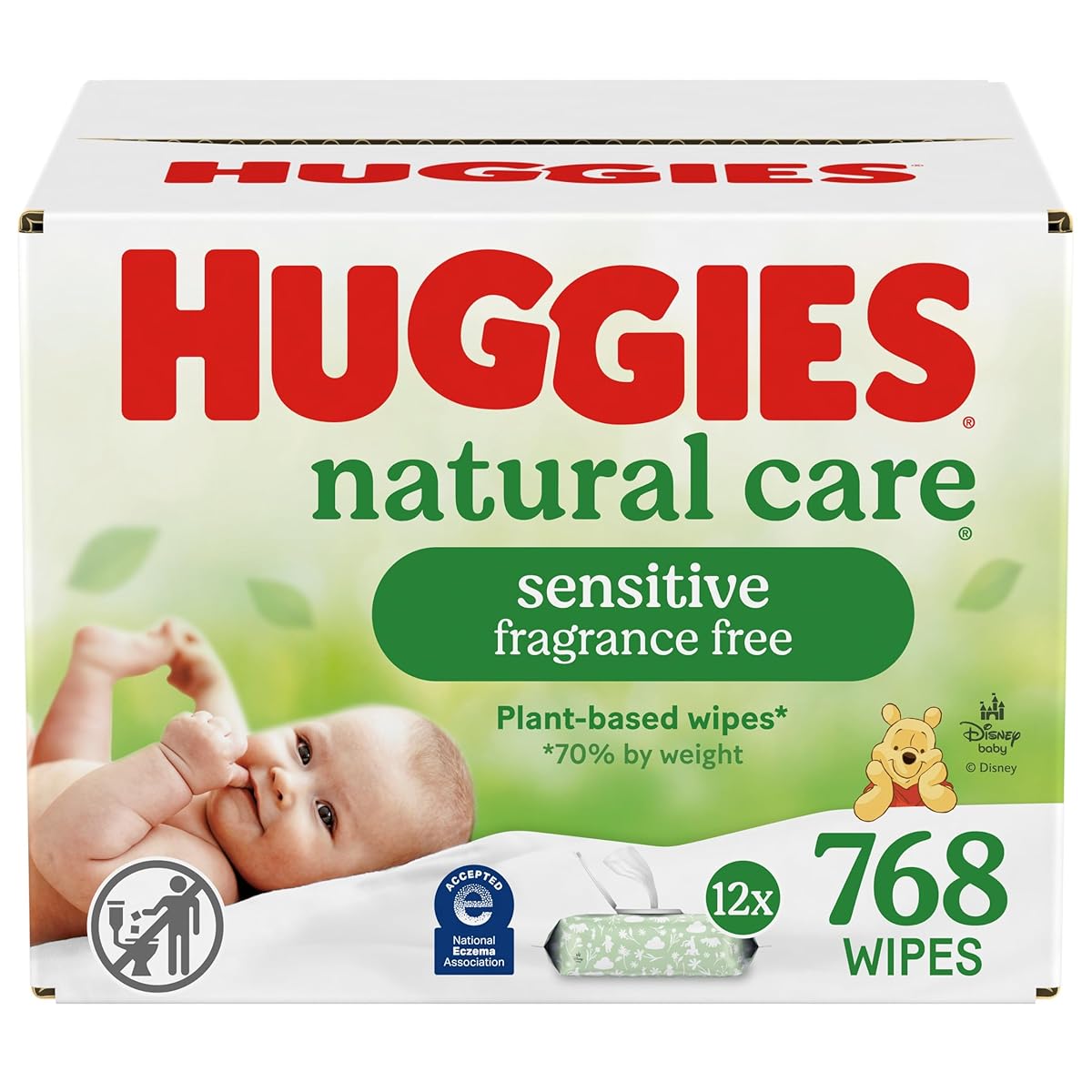
Wipes — unscented are gentlest on new skin. Some parents use soft washcloths with water for the newborn phase.
Diaper cream — something with zinc oxide for when redness happens. And it will happen.
Changing pad — can be on a dresser, changing table, or honestly, a towel on the bed works fine. Waterproof covers are clutch.
A place to put dirty diapers — fancy diaper pails are nice but a regular trash can with a lid works perfectly well.
Tip from experience: Keep a spare outfit nearby. Diaper changes have a way of going sideways when you least expect it.
Clothing Basics
Newborns grow shockingly fast, so resist the urge to buy every adorable tiny outfit you see. Here’s what you actually need:
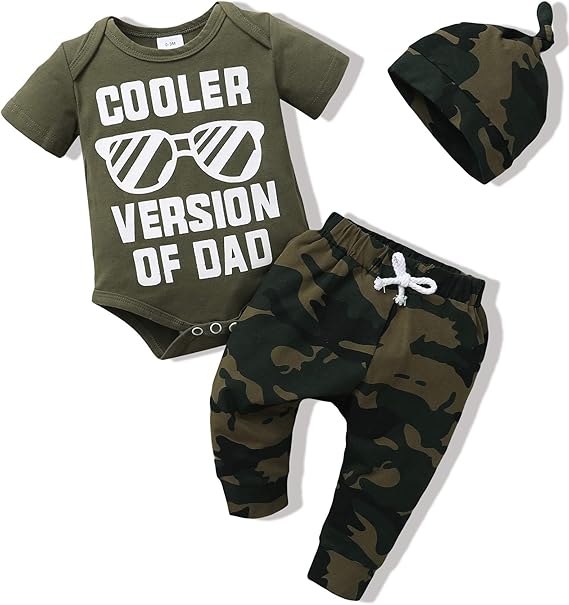
Onesies/bodysuits — 5-7 in newborn and 0-3 month sizes. These are your daily workhorses.
Sleepers/footie pajamas — 4-5 total. These are basically what newborns live in. Easy access for diaper changes is key.
Socks or booties — even in summer, newborns can have cold feet. Get a few pairs, accept that you’ll lose some.
Hat — for sun protection or warmth depending on your climate and season.
Mittens — optional, but helpful if your baby scratches their face (those tiny nails are surprisingly sharp).
A jacket or bunting — if baby arrives in cold months, you’ll need something warm for the trip home and doctor visits.
What to skip: Shoes (they can’t walk), complicated outfits with lots of buttons (you’ll be changing them constantly), and anything that goes over the head if it doesn’t have wide neck or shoulder snaps.
Getting Around Safely
You cannot leave the hospital without a properly installed car seat. This is the one absolute must-have.
Infant car seat — an infant carrier that clicks into a base is most convenient for newborns since you don’t have to wake a sleeping baby to move them. Alternatively, some families go straight to a convertible seat that grows with baby.
Get your car seat installation checked — many fire stations and hospitals offer free checks. This is not the time to wing it.
A stroller is helpful but not immediately essential. Many parents use a baby carrier for the first weeks and add a stroller later. If you do want one, look for something that works with your infant car seat or has a lie-flat position suitable for newborns.
Baby carrier or wrap — for hands-free snuggling. Newborns often love being held close, and this lets you actually do things while they nap on your chest.
We’ve rounded up our favorite on-the-go gear for car seats, strollers, and carriers — the stuff that actually makes outings easier.
Bath Time Needs
Newborns don’t need daily baths — 2-3 times per week is plenty for the first month. Keep it simple.
Baby bathtub or bath insert — something that supports baby safely. Some parents just use the sink with a towel.
Soft washcloths — gentle on new skin.
Baby wash/shampoo — look for fragrance-free, gentle formulas. You don’t need separate products; a single gentle wash works for everything.
Hooded towels — not essential but they keep baby’s head warm after bath and are impossibly cute.
Baby nail clippers or file — you’ll need to trim those tiny talons surprisingly often.
Health and Safety Items
Having a few basics on hand helps you feel prepared for minor issues.
Digital thermometer — rectal thermometers are most accurate for newborns. I know, not fun, but important.
Nasal aspirator — babies can’t blow their noses, so you’ll be doing it for them when they get congested.
Infant pain reliever — ask your pediatrician what they recommend and the right dosage for your baby’s weight.
Baby-safe sunscreen — for babies over 6 months, or protective clothing and shade for younger babies.
First aid basics — baby-safe nail clippers, a soft-bristle brush, and any items your pediatrician recommends.
What You Can Skip (For Now)
Here’s where I save you some money and storage space. These items might be useful later, but you don’t need them from day one:
Wipe warmer — nice in theory, but babies adapt fine to room temperature wipes.
Bottle warmer — you can warm bottles in a bowl of warm water.
Baby shoes — they don’t walk. Save these for when they’re actually useful.
Crib bedding sets — most pieces aren’t safe for the crib anyway.
Newborn toys — newborns can barely see more than 12 inches away. They’re not playing with toys yet.
Baby food maker — you won’t need this for 6 months, and a regular blender works fine.
Shopping cart cover — baby won’t be sitting in carts for months.
The best approach: wait and see what you actually need. Every baby is different, and the must-have item for your friend’s baby might sit unused in your house.
Frequently Asked Questions
How many of each item do I really need?
For clothing, think laundry cycles — if you wash every 2-3 days, 5-7 onesies and 4-5 sleepers will get you through. For diapers, expect 8-12 changes per day in the newborn stage. Burp cloths and bibs — honestly, 10+ isn’t overkill.
Should I buy newborn size or start with 0-3 months?
Buy some of both. Some babies fit newborn size for weeks; others skip it entirely. Having options means you’re covered either way. Don’t stockpile too many newborn items — they outgrow them fast.
Is secondhand gear safe?
For many items like clothing, bouncers, and swings — absolutely, as long as they’re in good condition and not recalled. However, always buy a new car seat unless you know its complete history (no accidents). Same goes for cribs — make sure they meet current safety standards. No bumpers, no pillows, no stuffed animals, no matter how cute they look in photos. Our complete sleep safety guide explains why.
When should I have everything ready?
Aim to have the essentials by 36 weeks — and don’t forget your hospital bag. Babies sometimes arrive early, and you don’t want to be assembling a crib during early labor. The basics — car seat, sleeping space, diapers, and feeding supplies — should be ready before your due date.
What if I forget something important?
You won’t be stranded. Between delivery services, helpful friends, and 24-hour stores, you can get almost anything within a day or two. Focus on the essentials and trust that you can figure out the rest as you go. Every parent has made a desperate late-night store run — it’s a rite of passage.
Here’s the real secret: the most important thing you can give your newborn isn’t found on any checklist. It’s you — your presence, your care, your love. All these items are just tools to help you do what you’re already going to be great at.
Take a breath. You’ve got this, mama. And if you forget the nail clippers or buy the wrong size onesies? That’s completely fine. You’ll figure it out as you go, just like every parent before you.
Welcome to the journey. It’s going to be beautiful! 😊
Lila.