Last Updated on January 15, 2026 by Lila Sjöberg

Nobody told me breastfeeding might not come naturally. I thought babies just knew what to do, and moms instinctively figured it out. Instead, I found myself crying in a hospital chair at 2 AM, nipples cracked, baby screaming, wondering why this “natural” thing felt so impossibly hard.
Key Takeaways
Breastfeeding has a learning curve for both you and baby, and the right supplies can make it more manageable. A good nursing pillow, nipple cream, and comfortable bras matter most in the early weeks. Get support early if you’re struggling — a lactation consultant can troubleshoot issues that seem insurmountable alone.
The Short Answer: The essentials that made breastfeeding survivable for me were a quality nursing pillow, lanolin nipple cream, comfortable nursing bras, and most importantly — the phone number of a good lactation consultant.
If you’re planning to breastfeed, here’s what I wish I’d known about the supplies that actually help versus the products that sat unused in my nursing station.
The Nursing Pillow Situation
I didn’t think I needed a special pillow. Regular pillows work fine, right? Wrong — at least for me. Stacking regular pillows meant constant readjusting, arms aching from holding baby at the right height, and never quite finding a comfortable position.
A dedicated nursing pillow wraps around your waist and brings baby to breast height so you’re not hunching over. Your arms support baby rather than doing all the lifting. This might sound minor until you’re nursing eight to twelve times a day and your back is screaming.
Different pillows suit different body types. Some wrap fully around, others sit in front like a firm cushion. If possible, try before you buy, or order from somewhere with good returns. The investment pays off when you’re spending hours every day in that position.
Nipple Care Is Non-Negotiable
Here’s what no one tells you: early breastfeeding can hurt. Even with a perfect latch, your nipples need time to adjust to this new job. And if latch isn’t perfect — which is common while everyone’s learning — you might experience cracking, bleeding, and toe-curling pain.
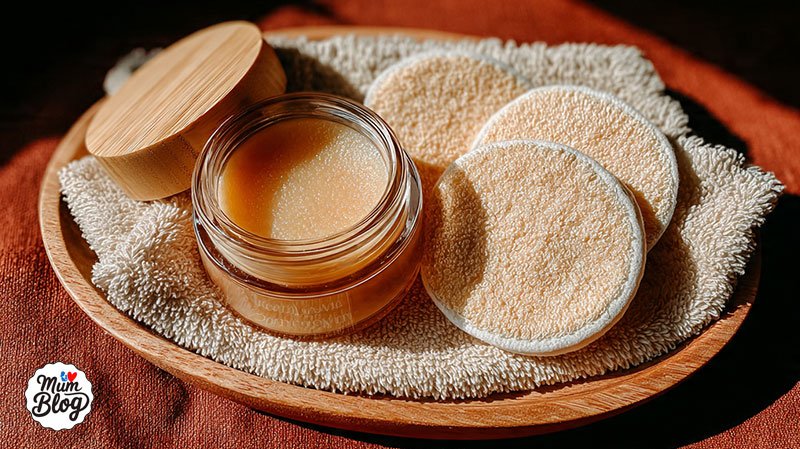
Lanolin cream became my best friend. I applied it after every single feed in the early weeks, and it genuinely helped my skin recover between sessions. Some moms prefer coconut oil or other alternatives — the point is having something ready because you’ll likely need it.
Keep nipple cream everywhere. By the bed, by your nursing chair, in your diaper bag. When you need it, you need it immediately — not when you can find where you left it.
Bras That Don’t Make You Cry
Underwire is out for nursing — it can press on milk ducts and contribute to clogs or mastitis. What you want is soft, supportive, and easy to open with one hand while holding a baby.
Nursing bras with clips that drop the cup down are standard. For the early weeks, many moms live in nursing sleep bras or tanks — they’re soft, stretchy, and comfortable for round-the-clock feeding. As things settle and you’re nursing less frequently, you can branch into more structured options.
Buy a few different styles and see what works. Your size might fluctuate in the early weeks as your supply regulates, so avoid stocking up on too many of any single style. Comfort matters more than looks when you’re feeding a newborn every two hours.
Breast Pads for the Leaks
Leaking happens, especially in the early weeks when your body is still figuring out supply. You might leak when baby cries — even someone else’s baby. You might wake up soaked. You might feel the other side let down while feeding.
Breast pads catch the leaks so you’re not constantly changing shirts. Disposable ones are convenient; reusable ones are more economical and eco-friendly. Some moms prefer the thinner disposables during the day under regular clothes and thicker reusables at night. Try both and see what suits your flow.
Pumping Gear If You Need It
Not every breastfeeding mom needs a pump, but many do — whether for returning to work, building a freezer stash, or giving partners a chance to feed baby. Check your insurance before buying, as many plans cover a pump at no cost.
If you’ll pump occasionally, a manual pump or simple electric single pump might suffice. If you’re pumping multiple times daily, a double electric pump saves significant time. Wearable pumps have become popular for hands-free pumping, though they’re pricier and work better for some women than others.
You’ll also need bottles compatible with your pump, milk storage bags for freezing, and a good cooler bag if you pump at work. Our feeding essentials guide covers specific product recommendations.
The Most Important Essential: Support
Supplies help, but human support matters most. A lactation consultant can identify latch issues, tongue ties, or positioning problems that no amount of cream or pillows will fix. Our feeding struggles guide covers common problems and solutions. Many hospitals offer free consultations in the days after birth — take advantage of these.
If breastfeeding isn’t working despite your best efforts, that’s okay too. Fed is fed. The goal is a healthy baby and a healthy mom, and sometimes that means formula or a combination. Our postpartum recovery guide addresses taking care of yourself through all the feeding challenges.
Frequently Asked Questions
When should I start buying breastfeeding supplies?
Have the basics by your third trimester: nursing bras, nipple cream, and breast pads. A nursing pillow can come earlier if you want. Hold off on pumps until you know you’ll use one — insurance timing varies, and your needs might change after baby arrives.
How many nursing bras do I need?
Start with three to four, recognizing your size may shift in the first weeks. You want enough for laundry rotation without having too many of a size that might not fit long-term. Sleep bras are separate — those you might want two or three of as well.
Is nipple pain normal?
Some tenderness in the early days is common as your body adjusts. But severe pain, cracking, or bleeding usually indicates a latch problem. Don’t push through assuming it’s normal — get help from a lactation consultant to evaluate what’s happening.
Do I need a nursing cover?
Entirely personal preference. Some moms want privacy when nursing outside the home; others find covers cumbersome and prefer a draped blanket or just nursing openly. Don’t buy one until you know if you’ll use it.
What about nipple shields?
These can help in specific situations — like flat nipples or latch difficulties — but should be used with guidance from a lactation consultant. They’re not a standard supply to have on hand; rather, something a professional might recommend for your situation.
Breastfeeding is a journey with ups and downs. The right supplies won’t make it effortless, but they can make it more manageable. Be patient with yourself, get help early when you need it, and remember — however you feed your baby, you’re doing a great job.
Lila.