Last Updated on January 21, 2026 by Lila Sjöberg

I did everything wrong in the first weeks. I mean, not everything — my baby survived and even thrived. But looking back with the clarity of sleep and experience, I made mistakes that a little advance knowledge could have prevented. Here’s my confession, offered in hopes that you can skip some of my learning curve.
Key Takeaways
Most newborn mistakes are recoverable, and making them doesn’t make you a bad parent. Common missteps include waiting too long to ask for help, obsessing over the wrong things, neglecting self-care, and having unrealistic expectations. Every parent makes mistakes; the good ones learn from them.
The Short Answer: I waited too long to get breastfeeding help for my first child, tried to do everything myself, neglected my own recovery, and held myself to impossible standards. None of it was catastrophic, but all of it made those early weeks harder than necessary.
Learn from my mistakes so you can make your own fresh ones.
Waiting Too Long for Breastfeeding Help


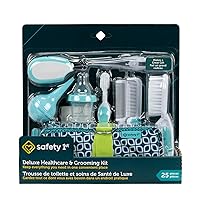



Breastfeeding was supposed to be natural. My body would know what to do. My baby would figure it out. Instead, I had cracked, bleeding nipples by day three and a baby who seemed constantly hungry despite nursing around the clock.
I waited almost two weeks to call a lactation consultant, convinced I just needed to try harder. By the time I got help, we had entrenched bad habits to undo and I was in significant pain. The consultant identified the problem — baby had a shallow latch — and showed me how to fix it. One appointment. That’s all it took.
If I could go back, I’d call for help within the first few days at the first sign of pain. Lactation consultants exist because breastfeeding doesn’t always come naturally. Having the right supplies helps too. Using their expertise isn’t admitting failure; it’s being smart.

Trying to Do Everything Myself
I thought accepting help meant I couldn’t handle motherhood. People offered to bring meals, hold the baby, do laundry — and I said “we’re fine” reflexively. Then I cried in the shower from exhaustion while dirty dishes piled up and I hadn’t eaten a real meal in days.
When I finally accepted help, everything got easier. My mom took night shifts so I could sleep. Friends dropped off food. My partner handled things I’d been hoarding unnecessarily. Turns out, parenting a newborn is supposed to involve support — not isolation. Our first week survival guide emphasizes this too.
Say yes to help. Be specific about what you need. Let people contribute. This isn’t weakness; it’s how humans have raised babies for thousands of years — in communities, not alone.
Our postpartum recovery guide emphasizes building support systems along with physical recovery, that I still apply as of this day.
Neglecting My Own Recovery
I focused so intensely on the baby that I forgot I’d just been through a major physical event. I skipped meals, deferred bathroom breaks, ignored pain, and pushed through exhaustion like my wellbeing didn’t matter.
Then my body demanded attention anyway. Exhaustion caught up with me. My milk supply dipped from dehydration and insufficient calories. Small health issues became bigger ones because I’d ignored early signals!
Your recovery isn’t optional — it’s necessary. Eating, drinking water, resting when possible, taking your pain medication, attending follow-up appointments — all of this matters. A depleted mother can’t care for a baby as well as one who’s taken care of herself.
Obsessing Over the Wrong Things
I tracked every feeding to the minute. I worried about the nursery looking perfect. I stressed over whether baby’s onesie was organic enough. Meanwhile, I missed the stuff that actually mattered, like my own health and asking for help with what was genuinely hard.
Babies don’t care about aesthetic nurseries or perfectly logged feeding schedules. They need to eat, sleep, be changed, and feel loved. Everything else is noise — often generated by social media and marketing, not actual baby needs.
If I could redo it, I’d spend less mental energy on tracking apps and more on napping. Less worry about milestone comparisons and more presence in quiet moments. The things I stressed about most rarely mattered; the things I neglected often did.
Having Unrealistic Expectations
I thought I’d be tired but still functioning. I thought the baby would sleep at least sometimes. I thought my relationship would feel normal. I thought I’d feel instant overwhelming love. None of that matched reality.
The exhaustion was worse than tired — it was a fog that affected my thinking, my mood, and my ability to do basic tasks. The baby slept in twenty-minute increments around the clock. My relationship with my partner was strained by stress and sleep deprivation. The love grew gradually, not instantly.
Adjusting my expectations to reality rather than fantasy would have made the transition easier. Not because lowered expectations are negative, but because realistic ones don’t carry the weight of disappointment when normal challenges arise.
Comparing to Other Parents
Social media made me feel like everyone else had this figured out. Their babies slept, their homes were clean, they looked rested and put-together. Meanwhile, I hadn’t showered in three days and baby was crying again and I felt like a total failure!
Nobody posts the screaming fits at 4 AM or the crying in the bathroom or the desperate thoughts of “what have I done.” Social media shows highlight reels, not reality. Every parent struggles; most just don’t broadcast it.
Our self-care for moms guide addresses the comparison trap and finding sustainable support.
Frequently Asked Questions
What was your biggest mistake?
Waiting to ask for help — both with breastfeeding and with general support. Pride and unrealistic expectations kept me struggling alone when resources existed. Getting help sooner would have spared a lot of unnecessary suffering.
Did these mistakes affect your baby long-term?
No. Babies are resilient, and none of my mistakes caused lasting harm. The effects were mostly on my own wellbeing and my experience of early motherhood. Kids don’t remember the newborn phase; we’re the ones who carry those memories.
How do I avoid making the same mistakes?
Accept help preemptively. Call for breastfeeding support at the first sign of trouble. Lower your standards for everything except baby’s basic needs. Take care of yourself as if it matters, because it does. And give yourself grace — you’ll still make mistakes, just different ones.
Is it normal to feel like you’re doing everything wrong?
Completely normal. Every new parent feels this way at some point. The learning curve is steep, the sleep deprivation is brutal, and the stakes feel impossibly high. Feeling uncertain doesn’t mean you’re failing; it means you’re human and you care.
When does it get easier?
Gradually, then suddenly. The first six weeks are typically the hardest. By three months, most families have found some rhythm. It doesn’t get easy exactly, but it gets more familiar, more predictable, and more manageable.
You’re going to make mistakes. Every parent does. Some of them will be on this list; some will be uniquely yours. What matters isn’t perfection — it’s learning, adjusting, and showing up again the next day.
The fact that you’re reading this, trying to learn and prepare, already puts you ahead. You’re going to do great, mistakes and all.
Lila.