Last Updated on June 17, 2026 by Lila Sjöberg
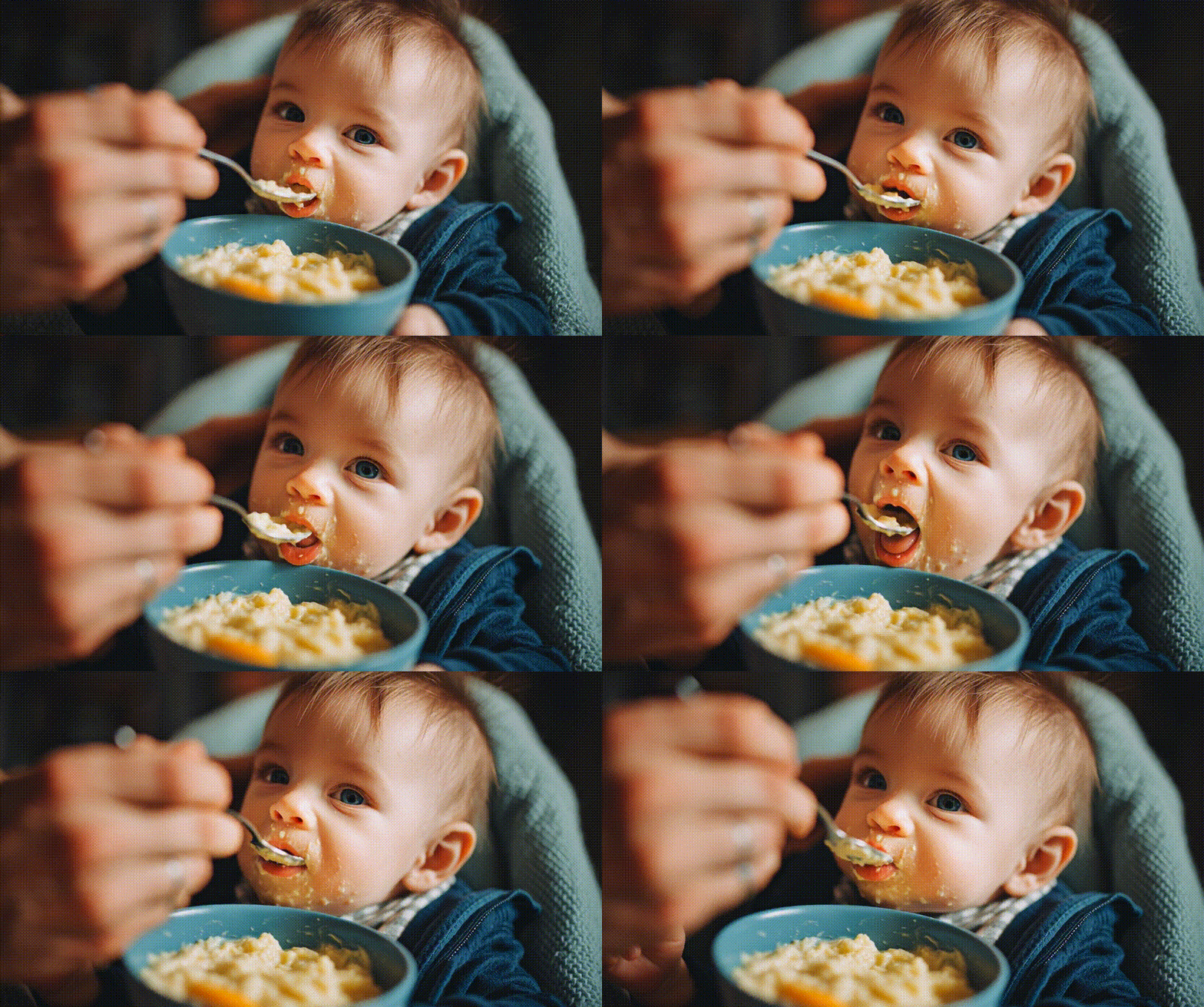
The day has arrived: your tiny milk-drunk newborn is now sitting up, eyeing your food with unmistakable interest, and maybe even lunging for your sandwich. It’s weaning time. Also known as “the phase where your kitchen floor becomes permanently sticky and your baby discovers the joy of smearing avocado in their hair.” 😀
Starting solids is exciting and terrifying in equal measure. When exactly should you start? What foods? Purees or finger foods? How do you know if they’re actually eating versus just redecorating their face? Let’s break down the when, what, and how of introducing your baby to the wonderful world of food.
Key Takeaways
Most babies are ready for solids around 6 months, but readiness signs matter more than the exact date on the calendar. You can start with purees, finger foods, or a combination — there’s no single “right” approach. Early solids are about exploration and exposure, not nutrition; breast milk or formula remains the primary food source until 12 months. Gagging is normal and different from choking — learning the difference helps you stay calm. Allergen introduction should happen early and often, not delayed.
The Short Answer: Start solids around 6 months when baby shows readiness signs (sitting with support, interest in food, loss of tongue-thrust reflex). Begin with iron-rich foods and work through vegetables, fruits, grains, and proteins. Whether you choose purees, baby-led weaning, or both, go slowly, expect mess, and keep breast milk or formula as the main nutrition source until age one.
Deep breath. You’ve got this. If not yet, read below…
When to Start: Signs of Readiness

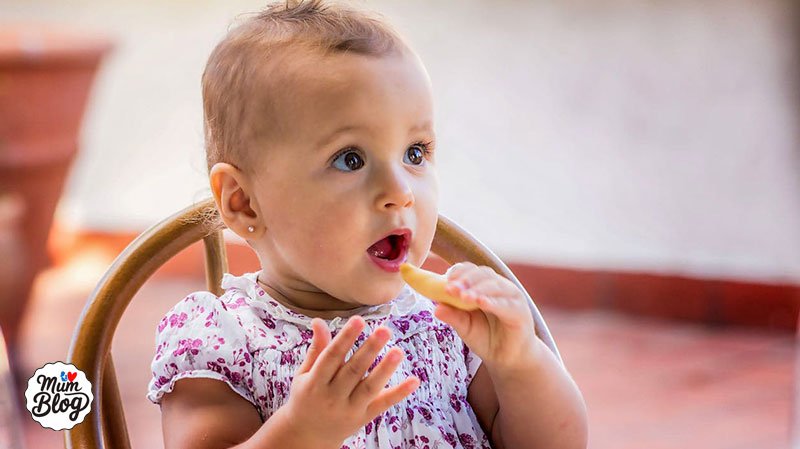
The “around 6 months” guideline is just that — a guideline. What matters more are the developmental signs that your specific baby is ready. These include good head and neck control, ability to sit upright with support, interest in watching you eat (the staring, the grabbing, the little open mouth), and loss of the tongue-thrust reflex that pushes food out of the mouth.
Most babies hit these milestones between 4-6 months, with 6 months being the sweet spot recommended by major health organizations. Starting earlier than 4 months isn’t recommended as digestive systems aren’t ready. If your baby isn’t showing readiness signs by 6 months, give it a few more weeks — there’s no rush.
Ignore well-meaning relatives who insist you start cereal at 4 weeks because “that’s what we did.” Guidelines have changed based on research. Also ignore the pressure to delay solids too long — some babies are very ready at 5.5 months and waiting until exactly 6 months is arbitrary.
Purees vs. Baby-Led Weaning
The great solids debate: do you spoon-feed purees, or go straight to finger foods (baby-led weaning)? The answer is: whichever works for your family. Both approaches are valid, and many parents do a combination.
Traditional purees let you control what goes in the mouth and ensure they’re actually swallowing something. You start smooth and gradually introduce texture. It’s familiar and feels safe.
Baby-led weaning (BLW) involves offering soft finger foods from the start and letting baby feed themselves. Proponents say it encourages independence, develops motor skills, and helps babies self-regulate intake. It’s messier and more nerve-wracking initially.
Combination approach: spoon-feed purees AND offer finger foods. Let them practice self-feeding while also ensuring some nutrition gets in. This is what many parents end up doing regardless of what they planned.
There’s no evidence that one approach produces better eaters long-term. Do what feels right and works logistically for your family.
First Foods: What to Offer
Gone are the days of mandatory rice cereal first. Current recommendations focus on iron-rich foods early (baby’s iron stores from birth start depleting around 6 months) and varied exposure. Good first foods include iron-fortified infant cereal, pureed or soft meats, mashed beans or lentils, and egg yolks.
After that, variety is key. Vegetables, fruits, grains, dairy (yogurt and cheese are fine before age one, just no straight cow’s milk as a drink), and more proteins. There’s some logic to introducing vegetables before fruits so they don’t expect everything to be sweet, but evidence is mixed on whether this actually matters.
Texture progression for purees: smooth → slightly lumpy → chunky → soft finger foods. Don’t stay on smooth purees too long — babies need to learn to handle texture, and delaying can make it harder later.
For finger foods: anything soft enough to squish between your fingers is usually safe. Ripe banana, avocado, steamed vegetables, soft cooked pasta, shredded meat, strips of toast. Cut round foods (grapes, cherry tomatoes) lengthwise to prevent choking.
The Allergen Question
Old advice said to delay allergenic foods. New research says the opposite — early introduction of allergens (around 6 months, or when starting solids) may actually reduce allergy risk. The major allergens to introduce include peanuts (as thinned peanut butter, not whole nuts), eggs, dairy, wheat, soy, fish, shellfish, and tree nuts.
Introduce one new allergen at a time, wait a couple of days before the next, and watch for reactions (rash, hives, vomiting, difficulty breathing). Most reactions are mild if they occur. Giving allergens in the morning allows you to monitor during the day.
If your baby has severe eczema or a known food allergy, talk to your pediatrician before introducing allergens — they may recommend specific approaches or allergy testing first.
Gagging vs. Choking: Know the Difference
Gagging is normal and expected when babies learn to eat. It’s a safety reflex that pushes food forward if it’s too far back before they’re ready to swallow. Baby will make alarming faces and sounds, maybe cough or sputter, but they’ll work it out and be fine.
Choking is silent and serious — baby can’t cough, cry, or breathe. This requires immediate intervention (back blows and chest thrusts for infants).
The gagging reflex is actually further forward on babies’ tongues than adults’, which is why they gag more easily — and it’s protective. Learning to handle food texture requires some gagging. It’s scary to watch, but try to stay calm. Your panic transmits to baby.
Every parent should know infant CPR and choking response before starting solids. It provides peace of mind and preparedness. Consider taking a class or at minimum watching instructional videos from reputable sources.
How Much and How Often
In the beginning, solids are supplemental — breast milk or formula remains the primary nutrition source until 12 months. Think of early solids as practice, not meals. A few spoonfuls or a few bites of finger food counts as success.
Start with one “meal” a day, then gradually increase to two, then three by around 8-9 months. Meal is a generous term — it might be two minutes of tasting before baby loses interest.
Let baby guide intake. Some days they’ll eat lots; other days, nothing. This is normal. Forcing food creates negative associations and battles you don’t want. Your job is to offer; their job is to decide if and how much to eat.
By 9-12 months, babies typically eat three small meals plus snacks, with milk feeds between. But every baby’s timeline is different. Follow your baby’s lead and discuss any concerns with your pediatrician.
The Mess Is Part of It
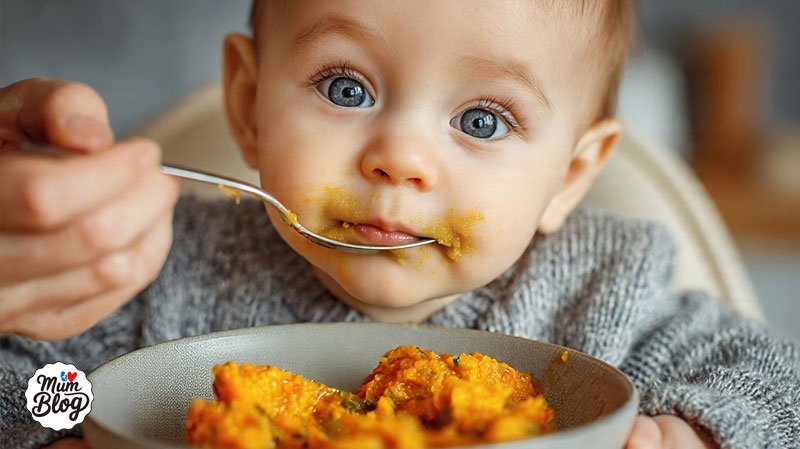
Resign yourself now: learning to eat is messy. Spectacularly messy. Food will go in ears, up noses, in hair, on walls, on you, on the dog! This is normal and actually beneficial — playing with food helps babies learn about textures, practice motor skills, and develop positive relationships with eating.
Strategies for sanity: a good bib with a pocket (silicone ones wipe clean), a splat mat under the highchair, and acceptance that post-meal bath time might become a thing. Some parents do meals before bath specifically for this reason.
Letting baby self-feed, even with purees, supports independence even though it’s messier than you doing all the spoon work. Hand them a spoon to hold while you feed with another. They’ll gradually figure it out. Our guide on feeding gear for messy eaters has product recommendations that help contain the chaos.
Common Early Challenges
Baby refuses to eat: Normal in the beginning. They’re learning. Keep offering without pressure. Some babies take to solids immediately; others need weeks to warm up.
Constipation: Common when starting solids. Offer water with meals, prunes or pears, and ensure they’re getting enough breast milk or formula. If it’s severe, consult your pediatrician.
Allergic reaction: Mild reactions (small rash, slight hives) are common and usually resolve. Severe reactions (difficulty breathing, swelling, widespread hives) require immediate medical attention. Call 911 if you’re unsure.
Baby only wants purees/refuses texture: Gradually increase texture exposure. Mix smooth with slightly chunky. Offer finger foods alongside purees. If refusal persists past 9-10 months, mention it to your pediatrician — some babies need extra support with texture transition.
Frequently Asked Questions
Do I need to make my own baby food?
No. Store-bought baby food is nutritionally fine. Homemade is often cheaper and lets you control ingredients, but it’s not necessary for a healthy baby. Do what works for your time and budget.
Can my baby have spices and seasoning?
Yes! Babies can handle most herbs and spices — skip the salt and go easy on heat, but garlic, cinnamon, cumin, etc. are fine and help develop palate early. Bland baby food is a cultural norm, not a requirement.
When can my baby have water?
Small amounts of water (a few ounces) with meals are fine starting around 6 months. They don’t need much since breast milk or formula provides hydration. Too much water can interfere with milk intake.
My baby gags on everything. Is this normal?
Probably yes, especially in the early weeks. Gagging is a learning process. If baby is actually choking (silent, can’t cough or cry, turning blue), that’s an emergency. But regular gagging with coughing and sputtering is normal. It usually decreases as they gain experience.
Trust the Process
Weaning feels like a big deal because it is — your baby is growing up, hitting milestones, becoming a little person who eats food. It’s exciting and bittersweet and sometimes stressful. But babies have been figuring out how to eat for millennia. Your baby will too.
Start when they’re ready, offer variety, expect mess, stay calm through the gagging, and don’t stress too much about exactly how much they’re eating. Milk is still the main event for the first year. Solids are practice, exploration, and fun.
You’ve got this now? And so does that avocado-covered baby of yours. 😂
Lila.