Last Updated on May 5, 2026 by Lila Sjöberg
You need twenty minutes. Just twenty minutes to make a phone call, start dinner, or simply sit in silence without someone asking for a snack. But the moment you step away, chaos erupts — unless there’s a screen involved. Here’s the good news: screen-free activities that genuinely hold your child’s attention do exist. You just need the right ones.
Key Takeaways
The best screen-free activities tap into your child’s natural interests rather than fighting against them. Independent play is a skill that develops with practice — start with short stretches and build up gradually. Setting up activities in advance (the night before or during nap time) makes success far more likely than scrambling in the moment. Rotation is everything; toys and activities feel new again after being put away for a few weeks. The goal isn’t to eliminate screens entirely but to have reliable alternatives that give everyone a break from the default.
The Short Answer


Screen-free activities work best when they match your child’s developmental stage, tap into their specific interests, and are set up before you need them. The magic formula is novelty plus appropriate challenge plus minimal adult involvement required.
Why Screen-Free Time Matters
Let’s skip the guilt trip about screens — they’re a tool, and sometimes a necessary one. But there are real benefits to having screen-free options in your back pocket. Unstructured play builds problem-solving skills, creativity, and the ability to self-entertain. Kids who regularly engage in independent play develop longer attention spans and better emotional regulation. Plus, having alternatives means screens stay special rather than becoming the default for every moment of boredom.
The trick isn’t banning screens. It’s building a toolkit of activities your child will actually choose when given options.
Activities for Toddlers (Ages 1-3)
Toddlers need activities that are safe for independent exploration but engaging enough to hold their flickering attention. These work best when set up in a contained space where you can keep half an eye on them.
Water play station: A plastic bin with an inch of water, some cups, funnels, and bath toys. Put it on a towel on the kitchen floor. Yes, they’ll get wet. That’s part of the appeal. Keep a mop nearby and let them splash.
Sticker bonanza: A sheet of stickers and paper. That’s it. Peeling and placing stickers is surprisingly absorbing for this age, and it builds fine motor skills. Dollar store stickers work perfectly.
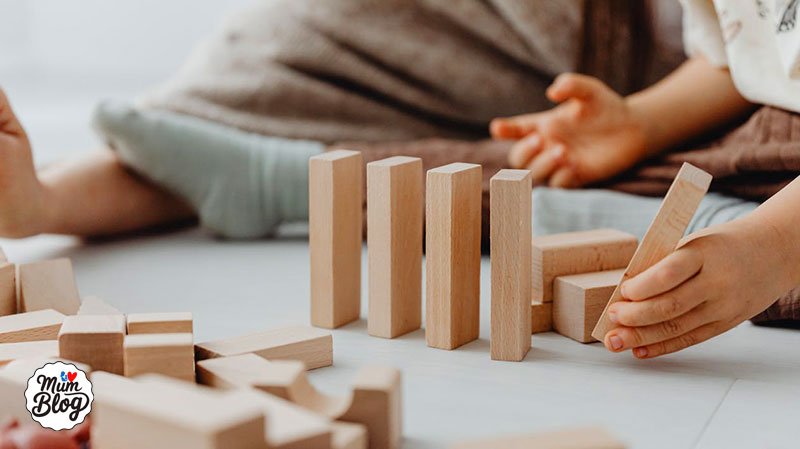
Magna-tiles or big blocks: Open-ended building toys that can’t be done wrong. Toddlers will stack, knock down, and stack again indefinitely. The crashing sound is half the fun.
Kitchen cabinet exploration: Designate one low cabinet as theirs. Fill it with safe items: plastic containers, wooden spoons, measuring cups. They’ll pull everything out, put it back, pull it out again. Riveting stuff when you’re two.
Activities for Preschoolers (Ages 3-5)
Preschoolers can handle more complex activities and longer stretches of independent play. They’re also old enough to understand that mommy needs 15 minutes — though following through is another matter.
Playdough with tools: Homemade or store-bought playdough with cookie cutters, plastic knives, rolling pins, and random kitchen gadgets. The tools make it feel like a fresh activity every time.
Puzzle rotation: Keep 3-4 puzzles accessible, but swap them out every few weeks. A puzzle they haven’t seen in a month feels brand new. Store extras in a closet out of sight.
Busy bags: Prepare small bags with self-contained activities — lacing cards, pattern blocks with cards, simple matching games. Grab one when you need focused time.
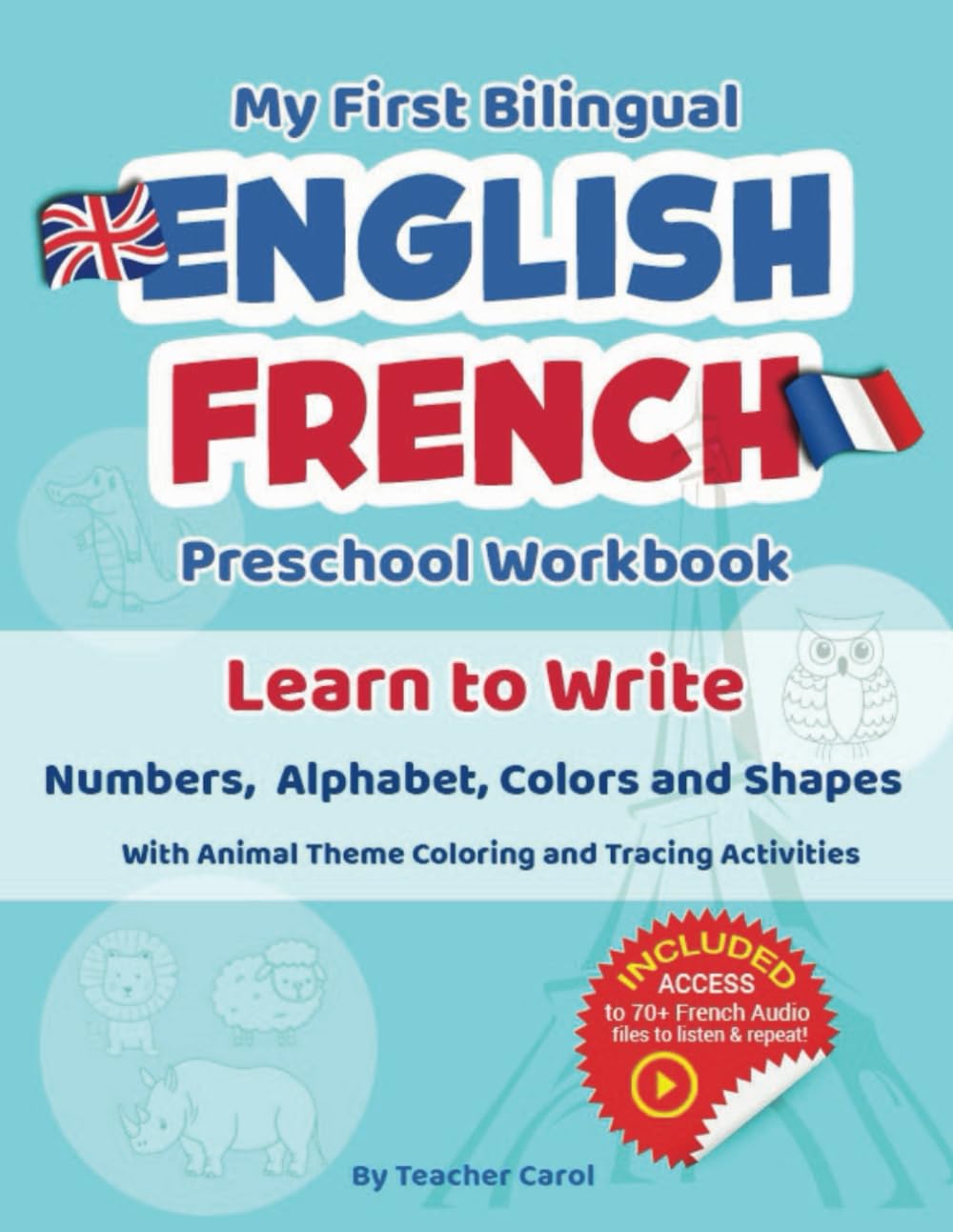
Coloring and activity books: Keep special coloring books that only come out when you need independent time. Crayons, not markers, unless you want to spend your free time scrubbing walls.
Dress-up and pretend play: A well-stocked dress-up bin plus some props (play food, toy tools, stuffed animals as patients) can fuel elaborate imaginary scenarios for ages. Our indoor activities guide has more ideas for imaginative play setups.
Activities for Early Elementary (Ages 5-8)
Older kids can handle more independence but also get bored faster. The key is having options ready before the dreaded I’m bored hits.
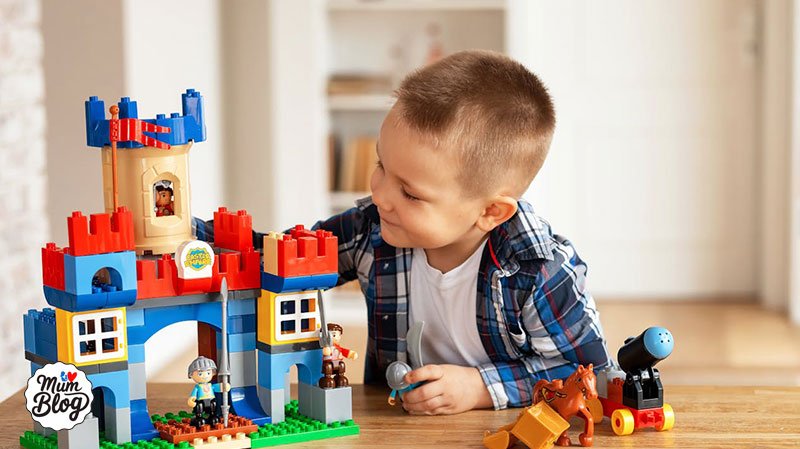
LEGO free-build time: Not following instructions — just a bin of mixed pieces and the freedom to create whatever they imagine. Instructions have their place, but free building develops different skills.
Art supplies station: A dedicated spot with paper, crayons, markers, scissors, glue, tape, and random craft supplies. Access to materials removes the barrier of asking for help to get started.
Reading nook: A cozy corner with pillows and a rotating stack of library books. Even kids who don’t like reading will flip through if the environment is inviting and the pressure is off.
Building challenges: Write challenges on cards and let them pick one: Build something taller than you, Create a house for a stuffed animal, Make a bridge that holds 10 pennies. The specific goal focuses their energy.
Audio stories: Not technically screen-free if you’re counting devices, but audiobooks and podcasts for kids engage imagination without the visual stimulation of video. They can listen while building, drawing, or playing with toys.
Setting Up for Success
The difference between screen-free activities that work and ones that flop is usually the setup, not the activity itself.
Prepare in advance: Set out tomorrow’s activity tonight. Put the playdough and tools on the table, ready to go. When you need independent time, everything is already accessible.
Introduce before expecting independence: Do the activity together first, then transition to them doing it alone. A child who’s never played with pattern blocks won’t suddenly figure them out while you’re on a work call.
Create a yes space: Designate an area where everything is safe and allowed. You shouldn’t need to supervise constantly or keep saying no.
Start with short windows: Build independent play skills gradually. Start with 5 minutes, praise their focus, and increase over time. Expecting an hour right away sets everyone up for failure.
The Rotation System
Toys lose their magic through overexposure. A rotation system keeps things fresh without buying anything new.
Divide toys into 3-4 groups. Keep one group accessible, store the rest out of sight. Rotate every 2-4 weeks. When old toys reappear, they feel exciting again. This works for books, puzzles, art supplies, and dress-up items too.
Bonus: fewer toys out means easier cleanup and less visual chaos. For more on managing play spaces, our playroom organization guide covers systems that actually last.
Screen-Free Activities FAQ
My child only wants screens. How do I transition to other activities?
Start by establishing screen-free times rather than eliminating screens entirely. Mornings before school, the hour before dinner, or Saturday mornings can become predictable screen-free windows. Fill those times with appealing alternatives set up and ready. The transition takes time — expect pushback initially, then gradual acceptance.
How long should I expect my child to play independently?
Rough guidelines: toddlers might manage 5-15 minutes, preschoolers 15-30 minutes, early elementary 30-60 minutes. These build with practice. A child who’s never played independently won’t suddenly do it for an hour. Start where they are and gradually extend.
What about kids who say they’re bored with everything?
Boredom isn’t a problem to solve immediately. It often precedes creativity. Offer a couple of options, then let them sit with the boredom briefly. Usually, they’ll find something. Having fewer toys available (through rotation) actually helps — too many choices overwhelm, while limited options spark creativity.
I work from home. How do I get longer stretches of focus time?
Layer activities. Set up a sensory bin, and when interest wanes, have a snack ready, then an audiobook with coloring supplies. Prep everything in advance. Schedule your most demanding work tasks for nap time or after bedtime. Accept that deep focus during waking toddler hours is limited. For more strategies, our burnout guide addresses the work-from-home juggle.
Give Yourself Grace
Screen-free doesn’t mean screen-never. The goal is having options — activities your child genuinely enjoys that don’t require constant adult entertainment. Some days you’ll nail it. Other days, you’ll turn on the TV so you can breathe for a minute. Both are fine.
Start with one or two activities from this list. Set them up tonight for tomorrow. See what clicks for your specific child. Build from there. Twenty minutes of independent play didn’t happen overnight at our house, and it won’t at yours either. But it does happen.
Lila.