Last Updated on June 10, 2026 by Lila Sjöberg
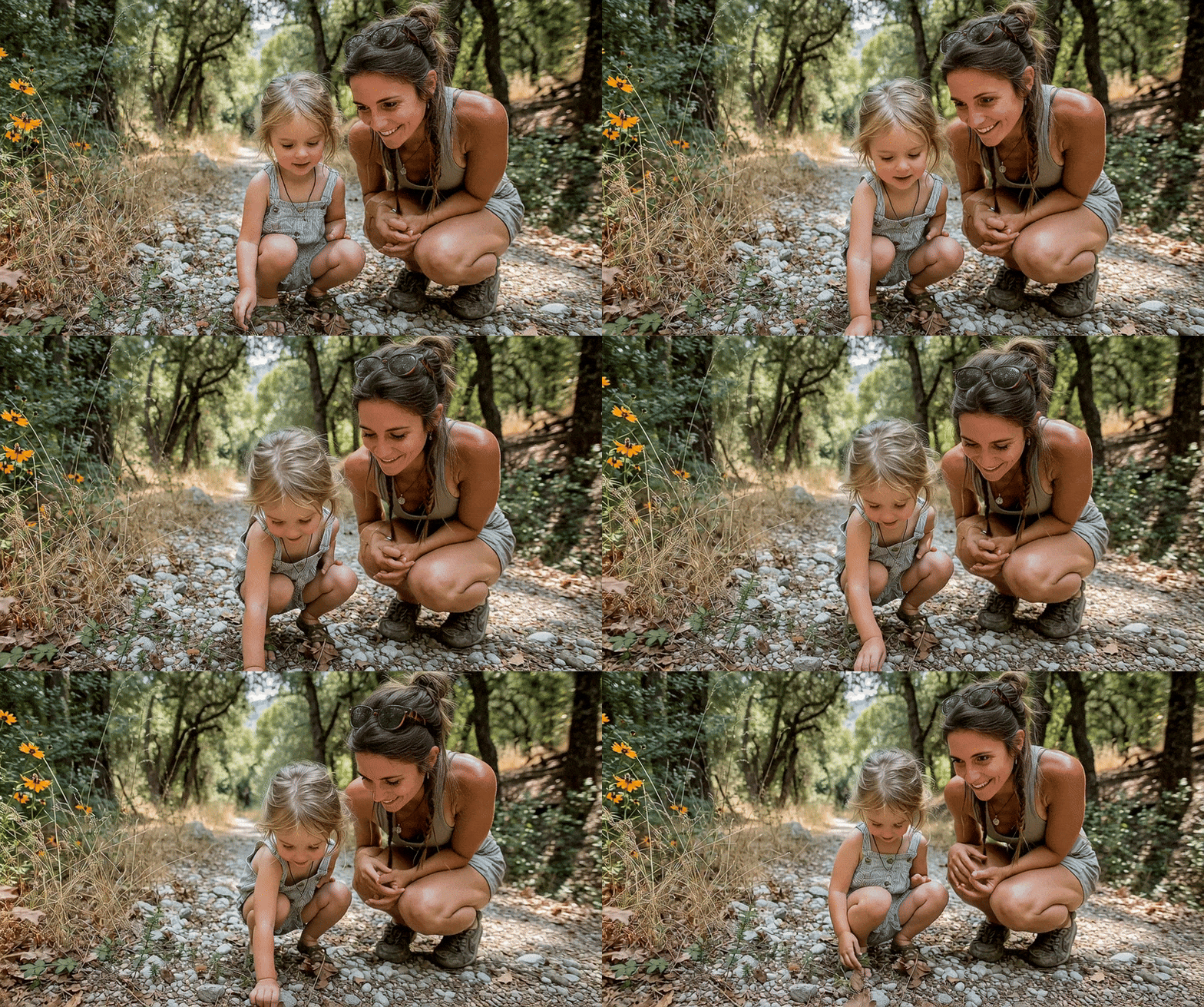
Can I tell you something? The first time my toddler discovered a muddy puddle, I instinctively went to pull her back. Clean shoes, dry clothes, you know the drill. But she looked at me with such pure excitement that I thought — why not? Ten minutes later, we were both soaked, laughing like idiots, and I’d remembered something I’d forgotten: outside is where childhood actually happens. So tell me, mama — when was the last time you let the mess happen and just watched the magic unfold?
Key Takeaways
Outdoor play develops gross motor skills, sensory awareness, and emotional regulation in ways indoor play simply cannot replicate. The best outdoor activities for young children are unstructured — your job is to provide the environment and let their imagination do the rest. Weather is rarely a valid excuse; kids who play outside in all conditions develop resilience and a healthier relationship with nature. You don’t need equipment, classes, or perfect conditions — you need a patch of grass, some time, and a willingness to let them get dirty.
The Short Answer
The best outdoor activities for toddlers and preschoolers combine physical movement with sensory exploration and imagination. Nature walks, water play, digging in dirt, and simple games like chase or hide-and-seek provide everything young children need — no special equipment required.
Why Outside Time Matters So Much
Research consistently shows that children who spend regular time outdoors have better attention spans, stronger immune systems, and lower rates of anxiety. But you don’t need studies to tell you what happens when a cooped-up toddler finally gets outside — the running, the shrieking, the pure physical joy of having space to move.
Indoor play has its place, but it can’t replicate what happens outside. The uneven ground that challenges balance. The wind that requires adjustment. The bugs that demand attention. The endless sensory input that keeps little brains engaged without screens or structured activities. Our indoor activities guide is great for rainy days, but nothing replaces actual outdoor time.
Nature Exploration
You don’t need hiking trails or national parks. A backyard, a local park, or even a patch of weeds between sidewalk cracks offers endless exploration for small children.
The key is slowing down to toddler pace. Adults walk to get somewhere. Toddlers walk to experience everything along the way. That rock needs examining. That ant needs watching. That flower needs smelling. Fighting this impulse creates frustration for everyone. Embracing it creates magic.
Start a collection habit. Rocks, leaves, sticks, pinecones, feathers — toddlers are natural collectors. Bring a bag or bucket and let them gather treasures. Sort them later by size, color, or type. Press leaves between book pages. Display special finds on a nature shelf. The collecting extends the outdoor experience into your home.
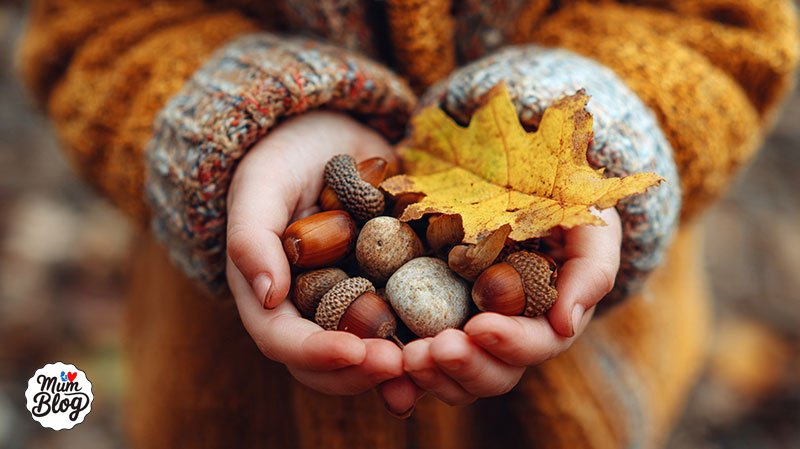
Bug hunting captivates this age group endlessly. Turn over rocks and logs (put them back afterward). Watch ants carry food. Follow a butterfly. Look for spider webs sparkling with dew. A cheap magnifying glass transforms ordinary insects into fascinating creatures. You might be surprised how interesting you find it too, once you slow down enough to really look.
Water Play Outside
Water is toddler magic. Add it to almost any outdoor situation and engagement multiplies instantly.
The simplest version is a bucket or bin of water with cups, funnels, and containers for pouring. Set it up in the yard and let them go. They’ll pour, dump, splash, and experiment with water dynamics for longer than you’d expect. Yes, they’ll get soaked. That’s the point. Dress accordingly or just accept the wetness.
Puddle jumping after rain is free, wildly fun, and something adults rarely let themselves enjoy anymore. Put on rain boots (or don’t — wet feet dry) and actually jump in puddles with your child. Their delight at your participation is worth whatever cleanup follows.
Sprinklers and hose play work beautifully on hot days. Running through sprinklers never gets old, even for kids who’ve done it a hundred times. Let them hold the hose and spray things — targets you set up, plants that need watering, or just the fence. The control and the sensory experience combined keep them occupied and happy.
Digging and Building
Dirt is a feature, not a problem. Children are drawn to it for good developmental reasons — the sensory input, the creative possibilities, the satisfying way it moves and shapes.
A designated digging spot saves your garden beds. Give them a corner of the yard, a sandbox, or even a large bin filled with dirt. Add shovels, spoons, cups, and old pots. They’ll dig holes, make piles, build mountains, create roads. Add water and you’ve got mud — which unlocks an entirely new set of possibilities including mud pies, mud soup, mud castles, and general glorious mess.
Building with natural materials encourages different thinking than building with blocks. Sticks can become forts, fences, or fairy houses. Rocks can become walls or stepping stones. Leaves can become roofs or beds. The materials don’t fit together perfectly, which is part of the challenge and the learning.
Active Games That Work for This Age
Organized sports are years away, but simple active games work beautifully with toddlers and preschoolers. The key is keeping rules minimal and expectations flexible.
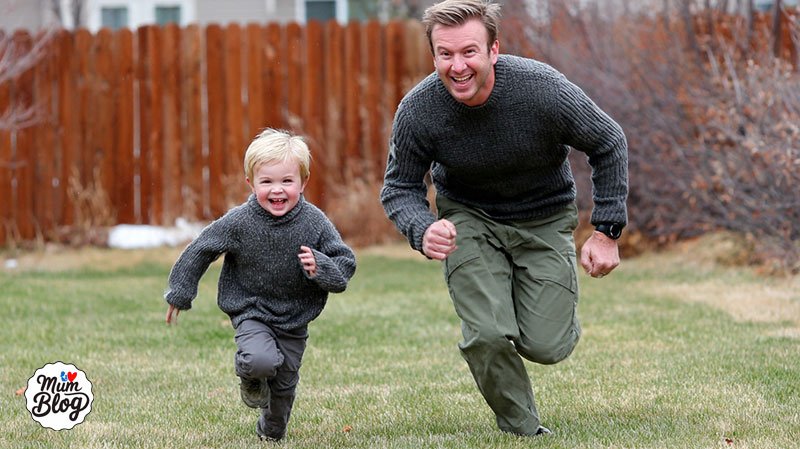
Chase is the universal toddler game. You chase them, they chase you, everyone runs and laughs. Variations include monster chase (you’re the monster), animal chase (everyone moves like a specific animal), and freeze chase (freeze when tagged, get unfrozen by a hug). The game evolves naturally based on your child’s interests and energy.
Hide and seek adapts well for young children. At first, you’ll find them hiding in plain sight, giggling loudly, feet sticking out from behind curtains. That’s developmentally appropriate and charming. The game grows with them. By preschool age, hiding spots get more creative and seeking requires actual effort.
Ball play covers endless variations. Rolling a ball back and forth teaches turn-taking. Kicking develops coordination. Throwing and catching start simple and build over years. You don’t need fancy equipment — a basic ball works perfectly. Let them experiment with how balls move, bounce, and behave on different surfaces.
Riding and Moving
Toddlers can start with push toys and ride-on toys that build leg strength and balance. Balance bikes work remarkably well for preschoolers, teaching the balancing skills that make pedal bikes easier later. Tricycles and scooters add variety.
What matters less than the specific equipment is having safe space to practice. An empty parking lot on a weekend, a quiet sidewalk, a paved path in a park. Young children need room to wobble, fall safely, and try again without traffic stress or obstacles.
Wagon rides provide a different kind of movement experience. Being pulled is its own adventure — watching the world go by from a new perspective. Let them ride, then let them practice pulling (stuffed animals make willing passengers).
Seasonal Adjustments
Every season offers unique outdoor opportunities if you embrace what each one brings rather than waiting for perfect conditions.
Summer means water play, long evenings outside, and the need for shade and hydration breaks. Early morning and late afternoon often work better than midday heat. Popsicles outside turn snack time into an activity.
Fall brings leaves to jump in, crunch underfoot, and collect. Apple picking and pumpkin patches create seasonal memories. Cooler temperatures mean more comfortable extended outdoor time.
Winter in cold climates means snow play when available — building, throwing, making angels, catching flakes on tongues. In mild climates, winter is often the most pleasant outdoor season. Layer appropriately and get outside regardless.
Spring means mud (embrace it), new growth to observe, rain to play in, and longer days returning. Planting seeds together connects children to growth cycles they can watch unfold.
Outdoor Activities FAQ
How long should toddlers play outside each day?
Pediatric guidelines suggest at least an hour of active play daily for toddlers, and outdoor time is the easiest way to achieve this. More is generally better if your schedule and weather allow. Some days you’ll manage twenty minutes; other days you’ll spend half the day outside. Aim for consistency rather than hitting specific numbers.
My toddler just wants to eat dirt and rocks. Is that normal?
Completely normal, developmentally appropriate, and usually harmless (assuming no chemicals or choking hazards). They’re exploring texture and taste. Redirect gently, offer acceptable alternatives to mouth, and supervise to prevent actual ingestion of dangerous items. The phase passes.
What about ticks and mosquitoes?
Valid concerns that shouldn’t keep you inside. Use age-appropriate bug repellent, check for ticks after playing in grassy or wooded areas, and dress in light-colored clothing that makes ticks visible. The benefits of outdoor play outweigh the manageable risks of bugs.
How do I get my child to come inside when outdoor time ends?
Transitions are hard at this age regardless of the activity. Give warnings: five more minutes, then inside. Create a ritual: one last slide, one more lap around the yard. Have something appealing waiting inside: snack time, a favorite activity. Accept that some protest is normal and doesn’t mean you’re doing something wrong.
We live in an apartment with no yard. How do we get outdoor time?
Parks become your yard. Make regular trips a routine part of your schedule. A balcony or patio allows container gardening and small water play. Indoor gross motor activities can supplement on days when getting out is truly impossible. Many cities have indoor play spaces for the worst weather days. For more ideas when outdoor access is limited, our developmental toys guide covers active play options.
The Gift of Outside
Outdoor play isn’t a box to check or a developmental milestone to achieve. It’s one of the simplest gifts you can give your child — time, space, and freedom to explore the physical world.
You don’t need plans or schedules or special equipment. You need to open the door and follow them outside. Let them lead. Let them get dirty. Let them discover what’s fascinating about ordinary things you stopped noticing years ago.
Here’s what I’ve learned after countless muddy shoes and grass-stained knees: the outdoor memories stick. Not because they’re Instagram-worthy, but because they’re real. Your kid won’t remember the day you kept them clean. They’ll remember the day you jumped in the puddle with them. So what’s stopping you? Grab those wellies (or whatever you call them where you are!), open that door, and let the adventure begin. I’d love to hear what you discover together — the good, the muddy, and the magical. 😊
Lila.