Last Updated on January 26, 2026 by Lila Sjöberg
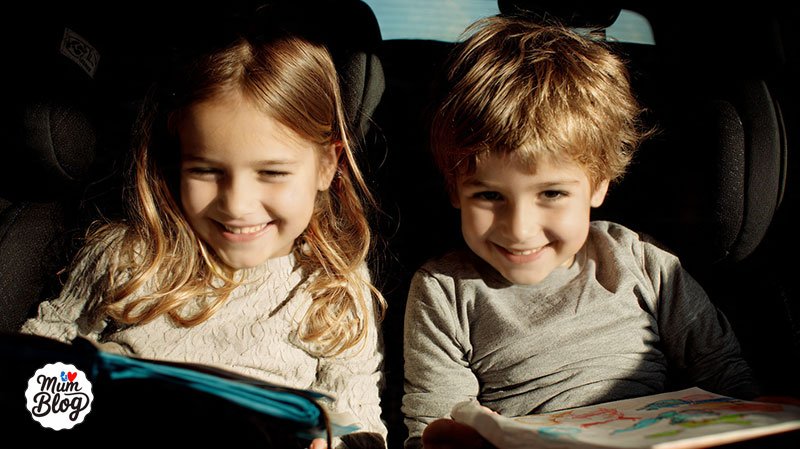
Hour three. The snacks are gone, someone needs the toilet again, and that question is coming — you know the one. “Are we there yet?” Whether you’re driving across states, countries, or just a few hours to grandma’s house, road trips with kids require strategy. I learned this the hard way on a memorable journey that involved one meltdown, two emergency stops, and three bribes I’m not proud of. But now? Now I’ve got systems. Let me share what actually works so your next trip doesn’t require a recovery vacation afterward.
Key Takeaways
Preparation is everything — activities gathered, snacks portioned, expectations set before you pull out of the driveway. The car environment limits options but also contains kids in ways that can work in your favor; they literally cannot escape the activity you’ve provided. Screen time during road trips is not the same as screen time at home; different rules apply when the goal is surviving six hours in a metal box together. The journey itself can be part of the adventure if you frame it right and include kids in the travel experience rather than just transporting them.
The Short Answer


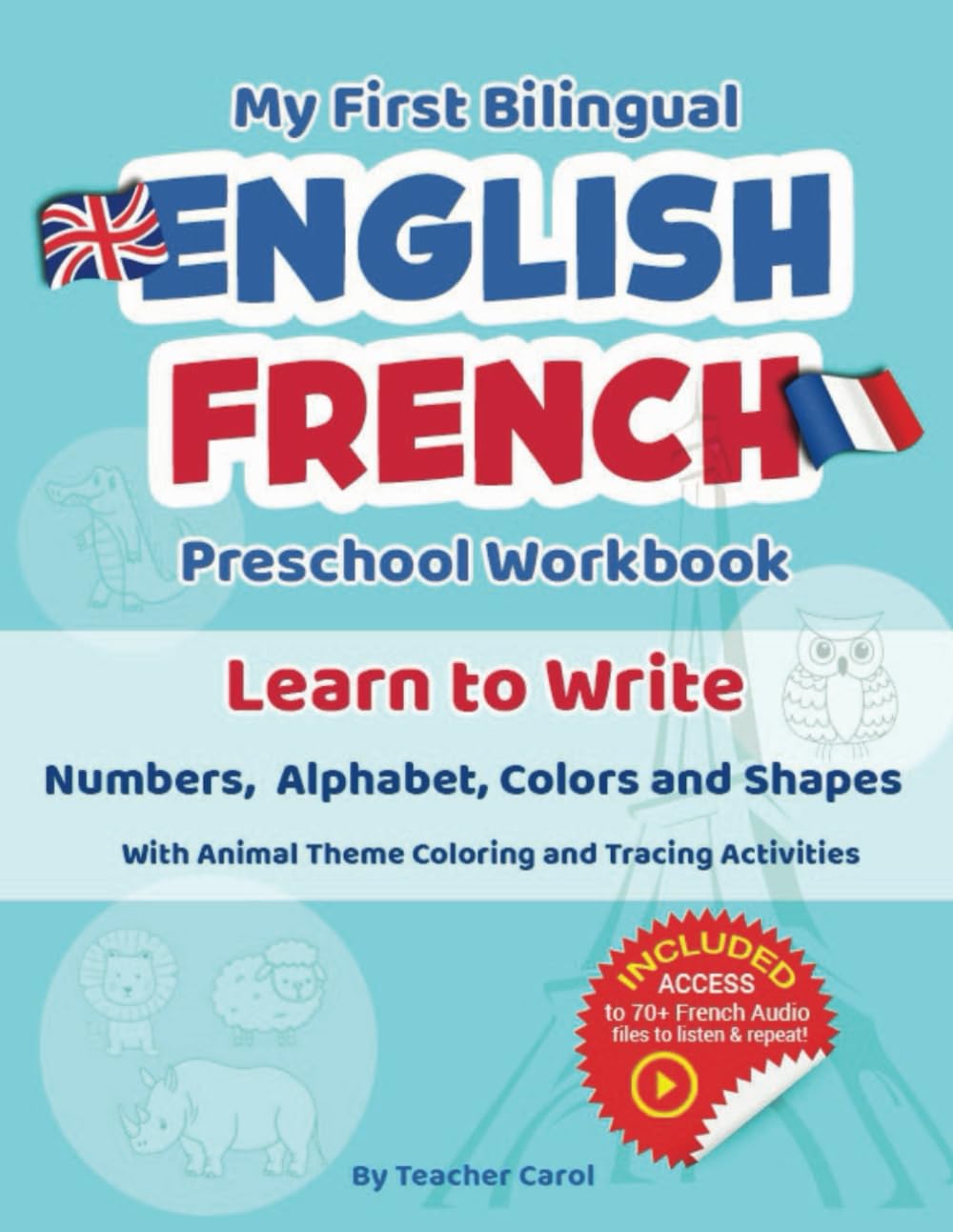


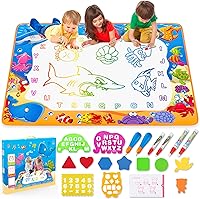

Successful road trips with kids combine prepared activity bags, strategic snacks, audiobook entertainment, regular rest stops, and acceptance that screens will likely play a role. Prepare more than you think you need, lower expectations appropriately, and remember that the car will be cleaned eventually.
The Preparation Myth and Reality
Every road trip advice article tells you to prepare. Fewer explain what preparation actually means when you’re also packing suitcases, cleaning the house before leaving, and managing the mental load of travel logistics.
Here’s the minimum viable preparation: one bag of activities per child (or for both), accessible from their seat. Snacks portioned into bags or containers they can manage independently. Devices charged with content downloaded (never trust road cell service). Audiobooks or podcasts queued. That’s it. You can do that the night before while also doing everything else.
The elaborate Pinterest road trip kits with individual activities for every hour? Beautiful if you have the time and energy. Absolutely not required for a successful trip. Kids will survive without themed printables. They will not survive without the basics — things to do, things to eat, and charged screens for when creativity fails.
Building the Activity Bag
Each child gets their own bag of entertainment, packed in something they can access from their car seat. This independence is crucial — you cannot orchestrate entertainment from the front seat every time someone is bored.
For toddlers and preschoolers: chunky crayons and a small notebook, stickers on sheets, small board books, a few cars or figurines, play dough in sealed containers (yes, it makes some mess — worth it), and a new small toy they haven’t seen before. New items hold attention longer than familiar ones.
For elementary-aged kids: activity books (mazes, word searches, dot-to-dots), a journal for trip observations, card games that work in car (Uno, simple decks), small building toys (LEGO in a container with a built-in base works surprisingly well), and books they’re excited to read.
For all ages: window clings, travel-sized games (magnetic ones don’t lose pieces), and sticker scenes. Whatever their current obsession — lean into it. If they’re into dinosaurs, the activity bag is dinosaur-themed. Interest drives engagement longer than novelty alone.
The Snack Strategy
Road trip snacks are not regular snacks. They need to be non-perishable, non-crumbly (mostly), and portioned so they can’t eat everything in the first hour.
Pack snacks in individual portions before leaving. Those small reusable containers or even ziplocks work. Each child gets their snack allocation for a trip segment. When it’s gone, it’s gone until the next segment begins. This prevents the constant asking and the consuming-everything-immediately phenomenon.
Good road trip snacks: crackers with some substance (cheese crackers, graham crackers), dried fruit, apple slices (won’t survive long trips but good for first hours), string cheese, pretzels, cereal in bags, squeezable applesauce pouches, and the emergency lollipop for desperate moments.
Avoid: chocolate (melts), anything highly crumbly (cleanup nightmare), anything requiring refrigeration you don’t have, and anything that makes them thirsty without water immediately available.
A cooler with water bottles, juice boxes, and perishable snacks stays up front where you control access. Distribution happens at your discretion, not their request frequency.
The Screen Reality
Let’s be honest: most families use screens during road trips, even families with strict screen limits at home. The car is a contained environment with limited alternatives and a driver who cannot entertain. Different context, different rules.
Download content before leaving. Streaming requires data you may not have and connection you definitely won’t have consistently. Netflix, Disney+, and Amazon all allow downloads. YouTube videos can be saved with YouTube Premium. Download more than you think you need — taste is unpredictable and you can’t add more when you’re on a rural highway.
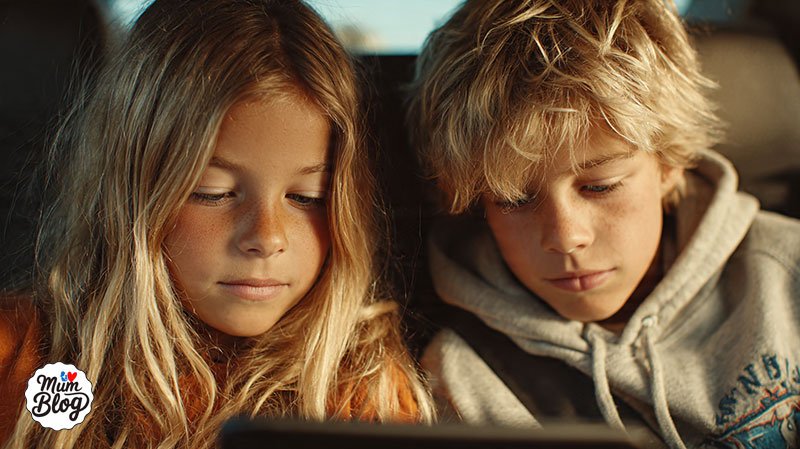
Grown kids only require one item: a connected tablet! Jeez, it’s hard to fight with that one. 😅
Tablets with headphones maintain peace between children who don’t want the same content. Yes, you’ll lose some of the potential family bonding of shared entertainment. You’ll gain the absence of sibling warfare over what to watch.
Screen time doesn’t have to be all or nothing. Alternating between screens and other activities breaks up the trip differently. Start with activity bags, move to screens when those lose appeal, take a rest stop, return to screens or try audiobooks. Variety helps more than strict limits.
How many times I said “Oh! Watch that!” pointing at something interesting outside, then they react: “What?” without taking their eyes off their screen, by the time they react, it’s already too late!
How can you fight that? Simple, no screen when things of interest can be seen on the way.
We are the parent for crying sake, we decide! 😃
Audiobooks and Podcasts
Audio entertainment works for the whole car, creates shared experiences, and doesn’t require anyone to look at a screen (helpful for kids who get carsick from reading or watching).
Audiobooks at slightly above their reading level work well — they can handle more complex stories when listening than when reading independently. Chapter books with engaging narration hold attention for long stretches. The library app Libby has free audiobook access with your library card. Download before leaving.
Podcasts for kids have exploded in recent years. Story podcasts, science podcasts, mystery podcasts — something exists for nearly any interest. Test options before the trip to gauge appeal. Our learning and play guide includes resources for educational entertainment.
The key to audio entertainment is the whole family engaging. When adults are listening too, asking questions, discussing what happened — that’s family bonding time happening despite being strapped into separate seats.
Rest Stops Strategy
Rest stops aren’t just for bathrooms. They’re physical activity opportunities essential for children’s ability to sit calmly afterward.
Plan stops every two hours, roughly. More frequently with toddlers. Don’t just stop and immediately use the bathroom and leave — let them run. Find grass nearby. Do jumping jacks in the parking lot. Walk laps around the rest area. The ten extra minutes of movement buys thirty minutes of calmer car behavior.

Pack a ball in the trunk. Frisbee. Jump rope. Something that facilitates active movement during stops. The rest area with only vending machines offers less than one where you can kick a ball around briefly.
Manage bathroom trips strategically. When you stop, everyone tries — even those who claim they don’t need to. The child who definitely didn’t need to go will need to twenty minutes after you leave if you don’t enforce the rule.
Timing and Expectations
When you drive affects everything. Leaving early morning when kids are still sleepy often means the first hour or two happens in drowsy calm or actual sleep. Driving through nap time means nappers sleep while you cover distance. Driving at night for older kids can mean sleeping through significant portions.
However, driving when you’re exhausted endangers everyone. Balance desired sleeping children against your alertness.
Set expectations before the trip. This is how long we’ll be driving. These are the things you’ll have to do in the car. This is when we’ll stop. Kids handle long drives better when they know what’s coming than when each hour feels like a surprise extension of the journey.
Road Trip Entertainment FAQ
My kids fight constantly in the car. How do we survive?
Physical separation helps if your vehicle allows. Independent entertainment (each child with their own devices and headphones) eliminates sharing conflicts. Clear rules established before departure with clear consequences. And honestly — some sibling bickering on road trips is nearly universal. Manage what you can, endure what you must.
My child gets carsick. How can they do activities?
Looking at screens or reading often triggers motion sickness while audio does not. Audiobooks and podcasts become the primary entertainment. Looking out windows rather than down helps. Sitting where they can see the road helps. Snacking on plain foods helps. Medication exists for severe cases — ask your pediatrician.
We’re trying to limit screens. Are road trips an exception?
That’s entirely your call, but many families with strict home limits have different road trip rules. The car is a unique environment with unique constraints. If screens make travel possible and peaceful, that’s a valid calculation. If you can manage without, that’s valid too. No judgment either direction. Well, I took position earlier in this article! 😀
What about babies on road trips?
Babies are actually easier than toddlers in some ways — they sleep more and don’t ask repetitive questions. Plan around feeding and sleeping schedules. Stop for feeds rather than attempting them in a moving car. Expect more frequent stops. Toys that attach to car seats provide entertainment when awake. Our on-the-go gear guide has specific recommendations.
The Journey Itself
The best road trips make the driving part of the experience rather than just something to endure between destinations. Point out interesting sights. Notice license plates from different states. Wonder aloud about the places you’re passing. Pull over for unexpected attractions when time allows.
Kids who are engaged with the journey ask fewer times if you’re there yet. They’re looking out windows, noticing the world, accumulating stories about the trip itself rather than just the destination.
This doesn’t mean every minute needs to be educational or meaningful. Sometimes the goal is just passing time peacefully. But when you can bring them into the experience of traveling — the geography, the stops, the adventure of covering distance — the trip becomes memory rather than just transportation.
Pack the bags. Charge the devices. Download more content than you think you need. And then trust that you’ll figure it out kilometre by kilometre (or mile by mile, depending on where you’re driving!).
Families have been road tripping forever, through far worse conditions than we face now. Yours will make it too. The journey itself can become the adventure if you let it. So where are you headed next? I’m sending good vibes for peaceful car naps and minimal “are we there yet” repetitions. You’ve got this, road warrior.
Lila.