Last Updated on May 26, 2026 by Lila Sjöberg
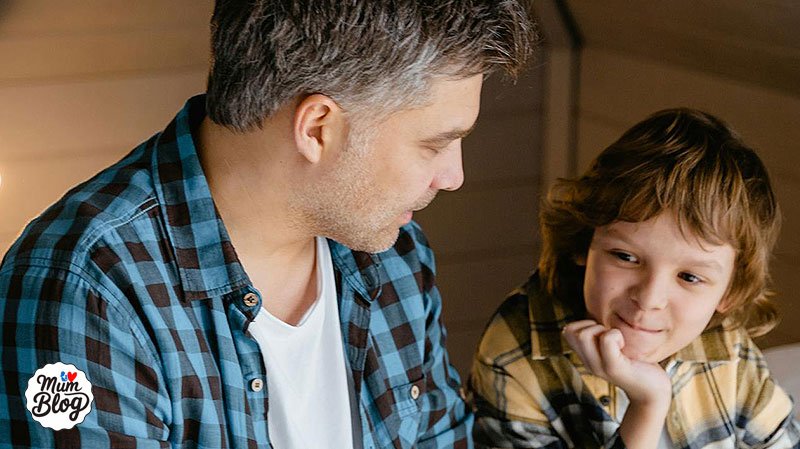
Let me ask you something: did you grow up hearing because I said so as the final word on every disagreement? I did. And while I turned out okay, I always wondered if there was a better way — one that did not rely on fear or power struggles, but still resulted in kids who actually listened. Turns out, there is. Positive discipline is not about being permissive or letting your kids run wild. It is about being firm AND kind at the same time. And honestly? It has changed everything about how I parent. Curious how it works in real life, not just in parenting books?
Key Takeaways
Positive discipline focuses on teaching rather than punishing — the goal is raising capable humans, not just compliant children. Connection before correction makes discipline actually work; a child who feels connected to you wants to cooperate with you. Natural and logical consequences teach better than arbitrary punishments because they are directly related to the behaviour. Positive discipline requires more patience upfront but creates less conflict long-term as children develop internal motivation rather than external fear.
The Short Answer




Positive discipline combines clear boundaries with empathy and respect, using natural consequences, problem-solving, and connection rather than punishment and rewards to guide behaviour. It works because it addresses the root cause of misbehaviour rather than just suppressing symptoms.
What Positive Discipline Actually Means
Positive discipline often gets misunderstood as permissive parenting. That is not it at all. The positive refers to your approach, not the absence of limits. You are adding connection, teaching, and respect rather than removing rules.
Traditional discipline often focuses on making children pay for mistakes through punishment. Positive discipline focuses on helping children learn from mistakes through guidance. The difference matters because punishment might stop behaviour temporarily but does not teach what to do instead.
Think of it this way: your long-term goal is not a child who behaves because they are scared of consequences. It is a child who behaves because they have developed judgment, empathy, and self-regulation. Positive discipline builds those qualities.
The Connection Foundation
Here is something that surprised me when I first learned it: children who feel connected to their parents genuinely want to cooperate. Misbehaviour often signals disconnection rather than defiance. When you strengthen the relationship, you reduce the behaviour problems.
This does not mean you need hours of quality time daily. It means small moments of genuine connection throughout the day. Eye contact when they talk to you. A few minutes of play on their terms. Physical affection freely given. Noticing and commenting on their experiences.

When correction is needed, leading with connection helps it land. Instead of immediately addressing the behaviour, try acknowledging the feeling first: You are really frustrated that your sister took your toy. I understand. THEN address what needs to happen: But hitting is not okay. Let us figure out another way to solve this.
Natural and Logical Consequences
The most effective discipline connects directly to the behaviour. Natural consequences happen without any intervention from you — if they do not wear a coat, they feel cold. If they do not eat dinner, they feel hungry. When safe to allow, these teach powerfully because reality itself provides the lesson.
Logical consequences require your involvement but directly relate to the behaviour. If they throw toys, toys get put away. If they will not get ready for school on time, they go in pyjamas. If they are unkind to a friend, the playdate ends. The consequence flows naturally from the choice.
Compare this to arbitrary punishment: if they throw toys, they lose screen time. There is no connection between the behaviour and the consequence, so the lesson learned is I got caught and punished rather than throwing toys means I do not have toys to play with.
When implementing consequences, stay matter-of-fact rather than angry or triumphant. You chose not to clean up, so the toys are going away until tomorrow. No lectures, no I told you so. Just the natural result of their choice.
Problem-Solving Together
One of the most powerful positive discipline tools involves bringing children into the solution rather than imposing solutions on them. This works surprisingly well even with young children, and it teaches skills they will use their entire lives.
When a behaviour problem keeps recurring, try a problem-solving conversation during a calm moment. Describe the problem neutrally: I have noticed that getting dressed in the morning has been really hard lately. Invite their input: What do you think would help? Listen to their ideas, add your own, and agree on something to try.
Children who help create solutions feel ownership over them. They are more likely to follow rules they had input on than rules imposed from above.
Holding Boundaries with Empathy
Positive discipline is not about being nice all the time or avoiding your child’s disappointment. Boundaries are essential, and sometimes enforcing them means your child cries, rages, or tells you you are the worst parent ever. That is okay.
The formula is simple: empathy AND boundary. I know you really want to keep playing. It is so hard to stop when you are having fun. AND it is bedtime now. We can play more tomorrow. You are not caving. You are not harsh. You are both validating their experience and maintaining the limit.
What About When You Lose It?
Can I be real with you? I have read every positive discipline book and still sometimes lose my patience and yell. We all do. Positive discipline is not about perfection — it is about direction.
When you mess up, repair matters more than the mistake. Apologise sincerely: I yelled at you earlier and that was not okay. I was frustrated, but that is not an excuse. I am sorry. This models accountability and shows that relationships can survive conflict.

Do not use repair as a loophole to keep losing it. The goal is improvement over time. But also do not spiral into guilt when you are imperfect. Your kids do not need a perfect parent. They need a parent who keeps trying.
Positive Discipline FAQ
Is positive discipline too permissive?
Positive discipline includes firm limits — it is not permissive. The difference is in HOW limits are enforced rather than WHETHER limits exist. Kids absolutely need boundaries. Positive discipline provides them without relying on fear, shame, or pain.
What if my partner does not believe in this approach?
Start with what you can control — your own interactions. Kids can handle different approaches from different caregivers. Over time, if your partner sees positive results, they may become curious. Model rather than mandate.
My child’s behaviour got worse when I started positive discipline. What is happening?
This is common and temporary. Children sometimes test whether new boundaries are real. They may also be processing emotions that were previously suppressed by punishment. Stay consistent; improvement typically follows within a few weeks.
Does positive discipline work for all ages?
Yes, though application varies by development. Toddlers need more redirection and fewer words. Preschoolers can start problem-solving. School-age children can have more sophisticated discussions. Our sleep training guide shows how these principles apply to specific challenges.
The Long Game
Positive discipline requires more of you upfront. More patience. More creativity. More staying calm when you want to explode. It would be easier in the moment to just threaten punishment and get compliance.
But you are not parenting for this moment. You are parenting for twenty years from now, when your child is an adult making their own choices. You want them to have internalised good judgment, not just fear of getting caught. You want them to know how to repair relationships, solve problems, and regulate their emotions.
Positive discipline builds all of that. Is it harder? Sometimes. Is it worth it? Without question.
What discipline challenges are you facing right now? I would love to hear what is working and what is not in your house — we are all figuring this out together.
Lila.