Last Updated on July 3, 2026 by Lila Sjöberg
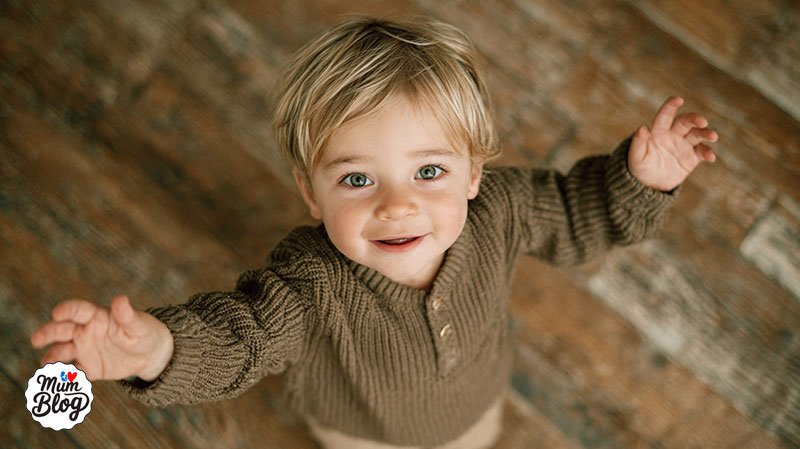
I will never forget frantically Googling at 2 AM because my daughter was not crawling yet and the baby next door had been crawling for weeks. The comparison trap is real, and developmental milestone charts can send even the calmest parent into anxiety spirals. Here is what I wish someone had told me then: there is a massive range of normal, your baby is probably fine, and those charts are guidelines, not deadlines. So let us talk about what actually happens in those first three years — and when you should actually worry.
Key Takeaways
Developmental milestones have wide normal ranges — a baby who walks at 9 months and one who walks at 15 months are both completely typical. Skills develop in a general sequence, but individual timing varies enormously based on temperament, opportunity, and where children choose to focus their energy. Most developmental concerns resolve on their own; many children who seem behind catch up without intervention. Trust your instincts — you know your child best — but also trust that paediatricians see hundreds of children and have good perspective on what is actually concerning.
The Short Answer


From birth to three, children typically progress from reflexive newborns to walking, talking, increasingly independent toddlers, but the timeline varies widely. Focus on general progression rather than specific ages, and consult your doctor if you notice regression, no progress over several months, or your gut says something is wrong.
The First Year: Everything Changes
Newborns arrive with reflexes but not much else. They cannot hold up their heads, focus their eyes well, or do anything deliberately. By their first birthday, most babies are mobile, communicating, and have distinct personalities. The transformation is staggering.
In the first few months, watch for: following objects with their eyes, responding to sounds, beginning to smile socially, and gradually gaining head control. By around four months, most babies laugh, reach for objects, and hold their heads steady.
The second half of the first year brings sitting (typically between 5-8 months), babbling, and often crawling (though some babies skip crawling entirely — that is normal). Stranger anxiety often develops, showing healthy attachment. First words might appear near the end of the year, though anywhere from 8 to 15 months is typical.
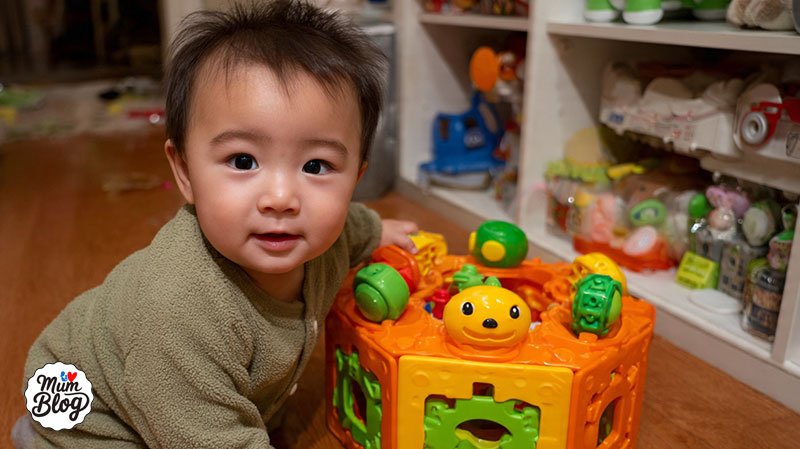
Here is what matters more than specific timing: is your baby progressing? Are they gaining skills over time? A baby who hits every milestone at the early end of the range is not smarter than one who takes their time. They are just different.
12-24 Months: Toddler Explosion
The second year brings walking (typically between 9-15 months, but some do not walk until 18 months), rapid vocabulary growth, and increasingly clear personality. Your baby becomes unmistakably a toddler — with all the independence-seeking and limit-testing that implies.
Walking gets all the attention, but it is actually one of the most variable milestones. Some babies walk at nine months; some do not until well past their first birthday. Both are normal. Focus less on when they walk and more on whether they are progressing through the stages: pulling to stand, cruising along furniture, standing independently, then steps.
Language explodes in the second year. Most toddlers say their first words around their first birthday, but vocabulary growth accelerates dramatically between 18-24 months. By age two, most children have 50+ words and are starting to combine them into simple phrases. But wide variation exists — some two-year-olds barely talk while others speak in full sentences, and both might be completely typical.
Social development shows in how they play alongside other children (parallel play), show affection, and test independence. The tantrums begin in earnest — that is actually developmental progress, not regression.
24-36 Months: Little People Emerge
The third year transforms toddlers into preschoolers. Language becomes more sophisticated, play becomes more imaginative, and their personalities become undeniable. They are clearly people now, with preferences, fears, jokes, and ideas.
Language leaps from phrases to sentences. Most children speak in 3-4 word sentences by age three and can be understood by strangers most of the time. They ask endless questions, follow simple instructions, and have conversations rather than just naming things.
Physical skills refine: running, jumping, climbing stairs with alternating feet, beginning to pedal tricycles. Fine motor skills develop too — they can stack blocks higher, copy circles, and start using utensils more successfully.
Play becomes imaginative. They pretend, take on roles, create scenarios. This is cognitive development in action — they are learning about the world by acting it out. Social skills grow as they begin actually playing with other children rather than just beside them.
Red Flags vs Normal Variation
So when should you actually be concerned? This is where I want to give you permission to worry less while also trusting your instincts more.
Most milestone variation is normal. Your baby crawling late does not predict anything about their future. Your toddler talking late might just mean they are focused on physical skills right now. Kids develop unevenly, prioritising different areas at different times.
However, some signs warrant professional evaluation: loss of skills they previously had (regression), no babbling by 12 months, no words by 16 months, no two-word phrases by 24 months, not responding to their name, avoiding eye contact consistently, no interest in other children by age three, or your persistent gut feeling that something is not right.
The key word is persistent. A baby who does not respond to their name while engrossed in a toy is normal. A baby who rarely responds to their name in any context warrants a conversation with your doctor.
What Actually Helps Development
Good news: you do not need flashcards, educational apps, or expensive programmes. What actually helps child development is remarkably simple.
Talk to them constantly. Narrate your day, describe what you see, respond to their babbles and words. Language develops through exposure and interaction. Babies who hear more words develop larger vocabularies — not from recordings or screens, but from real human conversation.
Read together daily. This builds vocabulary, attention span, and pre-literacy skills. It does not matter if they squirm away after two pages — keep offering. Our indoor activities guide has more ideas for engagement at different ages.
Let them play. Unstructured play is where development happens. They do not need activities engineered by you — they need space, time, and materials to explore. Floor time, outside time, messy time. The play IS the learning.

Respond to them. When they point at something, look and respond. When they babble, babble back. When they cry, come. This responsiveness builds secure attachment and teaches them that communication works.
Developmental Milestones FAQ
My baby is not doing what the milestone chart says they should. Should I be worried?
Probably not. Milestone charts show averages, not requirements. If your baby is progressing and your paediatrician is not concerned, try to relax. Easier said than done, I know, but constant comparison creates anxiety without helping your child.
My first child did everything early. My second is slower. Is something wrong?
No. Siblings often develop differently. Second children sometimes talk later or walk later. Different does not mean delayed. Each child has their own timeline.
Should I be doing more to encourage development?
Probably not. If you are talking to your child, reading to them, letting them play, and responding when they communicate, you are doing what matters. Development cannot be rushed, and pressure does not help.
When should I actually call the doctor about a development concern?
Call if you notice regression, no progress in an area for several months, signs that consistently concern you, or if your gut says something is wrong. Paediatricians would rather reassure you than have you worry silently. Our sleep training guide addresses another common developmental concern parents face.
Trust the Journey
I spent so much of my first child’s early years comparing, worrying, and Googling. Looking back, I wish I had trusted more and stressed less. She hit her milestones on her own timeline, just like nearly all children do. The worry did not help her develop faster — it just stole my enjoyment of those precious early years.
Your child is developing right now, in ways you can see and ways you cannot. Their brain is building connections at an astounding rate. Their body is gaining strength and coordination. Their personality is emerging. It is happening whether you watch anxiously or relax and enjoy it.
So close the comparison apps. Put down the milestone charts. Watch your actual child — the one in front of you, not the statistical average on a website. Celebrate what they CAN do rather than worrying about what they have not done yet.
They are going to be okay. And so are you. What milestones are you celebrating or wondering about right now? I would love to hear where you are in this wild journey.
Lila.