Last Updated on June 7, 2026 by Lila Sjöberg
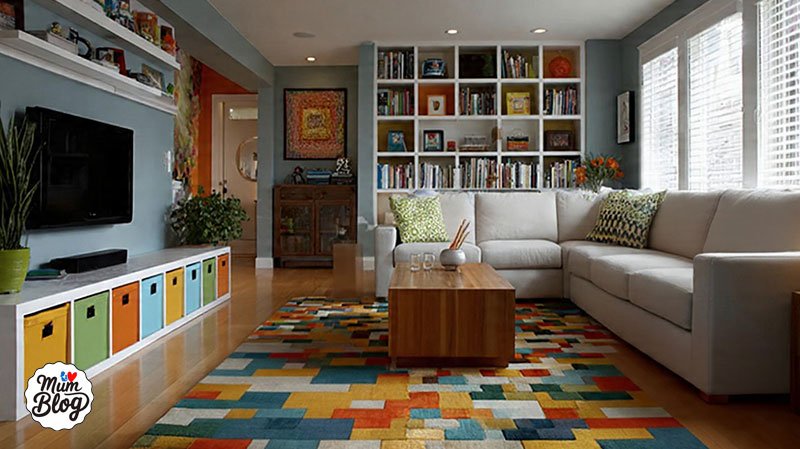
Before kids, I had a place for everything and everything in its place. My home was tidy, organised, and stayed that way with minimal effort. Then children happened, and suddenly there were tiny plastic pieces in every corner, mystery stains on every surface, and absolutely nothing staying where it belonged. I spent years fighting a losing battle against the chaos before finally figuring out what actually works: you cannot organise your home like it does not have children in it. You have to organise FOR the chaos, not against it. Here is what that looks like in practice.
Key Takeaways
Traditional organisation advice fails in homes with children because it assumes adults are the only ones using spaces — systems that require discipline to maintain will be destroyed daily by small people who lack that discipline. Child-friendly organisation means lower expectations for perfection combined with systems so simple that even toddlers can participate in maintaining them. Less stuff is always the answer; the single most effective organisation strategy is owning fewer things that need organising. Good enough is the goal — not Pinterest-perfect, not magazine-ready, just functional enough that you can find what you need and maintain basic sanity.
The Short Answer
Organise your home with kids by drastically reducing stuff, creating systems simple enough for children to use, accepting good enough instead of perfect, and focusing on function over aesthetics. Involve children in age-appropriate ways and stop trying to maintain pre-kid standards that are no longer realistic.
The Decluttering Foundation
I know you wanted tips for organising all your stuff. But here is the truth: you probably have too much stuff. The most effective organisation strategy is not a better storage system — it is owning less that needs storing.
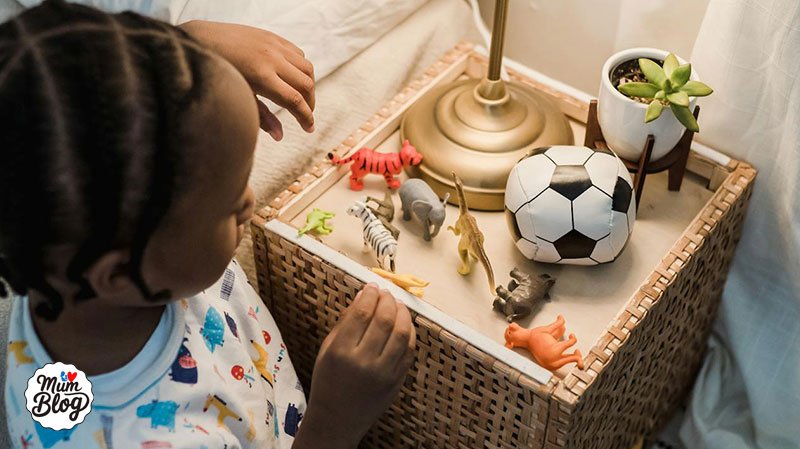
Children accumulate things at an alarming rate. Birthday gifts, holiday presents, happy meal toys, party favours, artwork, hand-me-downs. Without regular purging, your home drowns in kid stuff within months.
We do seasonal toy rotations and purges. Some toys go to donation. Some go to a rotation box that comes out fresh in a few months. Some get quietly disappeared when they have not been touched in ages. The kids do not miss them, and our home stays manageable.
For your own stuff, the question is: does this serve my life right now, in this season? Not the pre-kids life, not the imagined future life, but actual current life. Be ruthless. Less stuff means less to organise, clean, manage, and stress about.
Systems Kids Can Actually Use
Elaborate organisation systems fail in family homes because children cannot or will not use them. That beautiful colour-coded playroom? Destroyed within hours by a toddler who does not understand or care about your categories.
Child-friendly organisation means simple and accessible. Open bins instead of closed containers with lids. Pictures or labels showing what goes where. Everything at child height so they can actually reach it. One-motion put-away (open bin, toss in) rather than multi-step processes.
We have three big toy bins in the playroom: blocks and building, vehicles, and everything else. That is it. Three categories even my toddler can manage. Is it perfectly sorted? No. Can everyone participate in tidying? Yes. That trade-off is worth it. 😊
For clothes, I use the same principle. Each kid has a basket for dirty clothes, a simple drawer system for clean ones. Nothing that requires folding precisely or remembering complex categories. Functional beats pretty.
Room-by-Room Realism
Different spaces need different approaches based on who uses them and how.
Entryway: A dump zone is inevitable, so plan for it. Hooks at kid height, a basket or bin for shoes, a spot for bags and gear. Make the dump zone work rather than fighting it.
Kitchen: Keep a kid-accessible drawer with their dishes, cups, and snacks they can help themselves to. Store dangerous items high. Accept that counters will accumulate stuff and do a daily reset rather than maintaining constant tidiness.
Living areas: Create a toy containment strategy — whether that is a dedicated playroom, a corner of the living room, or bins that get dumped and refilled daily. Whatever allows shared spaces to reset to adult-functional regularly.
Bedrooms: Keep systems simple. Dirty clothes in basket. Limited toys in room. Books accessible. The goal is a space that can be tidied in five minutes for bedtime, not an elaborate organisation system.
Bathrooms: Minimise what lives there. Have a specific spot for each child’s toiletries. Keep cleaning supplies for quick daily maintenance. Lower your standards for this room; it is a lost cause with kids.
The Daily Reset
Rather than trying to maintain constant tidiness (impossible), build in regular resets. We do a ten-minute tidy before dinner and a quick reset after bedtime. Things return to their (simple) homes, surfaces get cleared, the house becomes functional again.
The key is making reset quick and manageable. If putting things away requires elaborate decisions, you will not do it when tired. Simple systems mean quick resets.
Involve kids in age-appropriate ways. Even toddlers can put toys in a bin. Preschoolers can do more with simple clear tasks. School-age kids can manage their own spaces with oversight. Making tidying everyone’s job lightens your load and teaches them skills.
The Paper Avalanche
Children generate paper at a staggering rate. Artwork, school notices, projects, worksheets, invitations — it piles up relentlessly.
Our system: a landing zone where all paper goes when it enters the house. Daily processing during kitchen cleanup — action needed (calendar, respond), file (few things), photograph (artwork too bulky to keep), recycle (most things). Being ruthless with paper is essential; you cannot keep it all.
For artwork, we have a small portfolio for each child. When something new comes in that we love, something old comes out. The portfolio stays manageable; the sentimental value is preserved.
Organising with Kids FAQ
My house is a disaster. Where do I even start?
Start with one small area — a single drawer, one corner, one category. Complete it fully before moving on. Momentum builds from small wins. Trying to tackle everything at once leads to overwhelm and abandoned projects.
My kids destroy any organisation immediately. Why bother?
Because organisation that gets destroyed and restored is still better than chaos. The reset becomes part of the rhythm. You are not failing when things get messy; you are failing only when you cannot reset. Make systems simple enough that resetting is quick.
My partner does not care about organisation. How do I handle this?
Focus on systems that work for everyone, not just you. If you are the only one who understands where things go, the system will not be maintained by others. Involve family in creating systems they will actually use, even if they are not your ideal. Our morning routine guide has more on family systems.
How do I keep kids’ toys from taking over the whole house?
Designated zones, period. Toys live in specific areas and do not migrate beyond them (or get returned in daily reset). Fewer toys overall. Regular purging. And accepting that some toy creep is inevitable in homes with children — contain it rather than trying to eliminate it entirely.
Good Enough Is Good Enough
I need to say this clearly: your home does not need to look like a magazine. Pinterest organisation is for people without children or people with full-time housekeeping help. Normal family homes look like normal family homes — lived in, functional, a bit chaotic.
The goal is not perfection. The goal is function: being able to find what you need, maintain basic hygiene, and not feel completely overwhelmed by your environment. If you achieve that, you are succeeding, regardless of what the internet makes you think homes should look like.
Give yourself permission to lower the bar. This season of life with young children is not the season for a perfectly organised home. It is the season for functional enough, for good enough, for sustainable enough. Perfect can come later.
What organisation strategies work in your home with kids? What have you given up trying to maintain? I am always looking for ideas — we are all just trying to keep our heads above the stuff.
Lila.