Last Updated on April 29, 2026 by Lila Sjöberg

I tried three different carriers before finding one that didn’t hurt my back. The wrap looked beautiful in videos but took me fifteen minutes to put on. The structured carrier everyone recommended felt bulky on my small frame. The ring sling I borrowed was great for quick ups but not for long walks. Baby carriers are surprisingly personal — what works perfectly for one parent might be completely wrong for another.
Key Takeaways
The best baby carrier is one you’ll actually use, which means it needs to fit your body comfortably, suit your lifestyle, and work for your baby’s age and size. Try before you buy if possible, and don’t be discouraged if your first choice doesn’t work out — most parents try multiple options before finding their favorite.
The Short Answer: Choose based on your body type, how you’ll use it, and your baby’s age. Structured carriers are easiest for beginners, wraps offer flexibility and newborn coziness, and ring slings work well for quick trips and toddlers.
Let me walk you through the main types and help you figure out which might suit your situation.
Structured Carriers: The Popular Choice

Structured carriers (also called soft-structured carriers or SSCs) have a padded waist belt, shoulder straps, and a fabric panel that holds baby. They’re the most popular choice for good reason — they’re relatively easy to use, distribute weight well, and work from newborn through toddlerhood with the right adjustments.
For newborns, many structured carriers require an infant insert or have special newborn settings. Check the minimum weight requirement before using with a small baby. As baby grows, structured carriers transition to front-facing carries and eventually back carries.
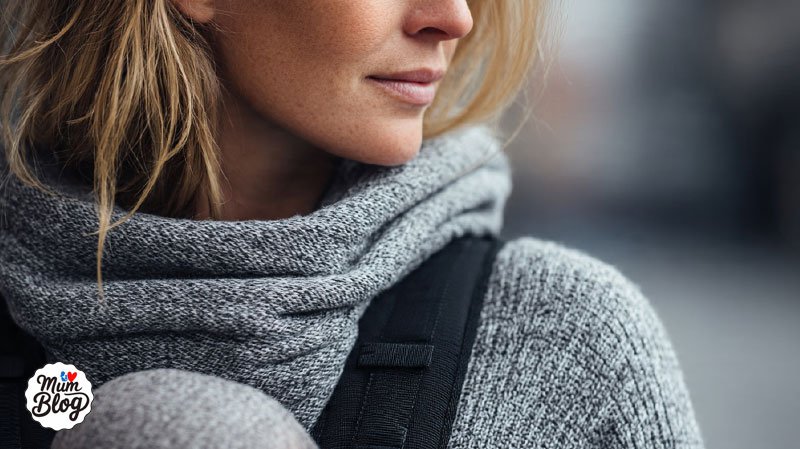
The downsides? They can feel warm in hot weather, some babies prefer the closer hold of a wrap, and cheaper versions may not distribute weight as well, causing back pain during long use. Investing in a quality carrier pays off if you plan to wear baby frequently.
Wraps: Cozy and Customizable
Wraps are long pieces of fabric you tie around yourself to create a carrier. They look intimidating but become second nature with practice. Stretchy wraps work beautifully for newborns, offering that cozy, womb-like closeness that many tiny babies crave.
The learning curve is real though. Expect to watch YouTube tutorials multiple times and practice before baby arrives. Once you’ve got it, wrapping takes about a minute. Until then, you might find yourself tangled in fabric in a parking lot wondering what you’ve gotten into.
Stretchy wraps are generally recommended only until baby reaches around 15-20 pounds — after that, the stretch doesn’t support their weight well. Woven wraps can be used longer but have an even steeper learning curve with different carry positions.
For parents who love the wrap feeling but want easier application, hybrid stretchy carriers offer the cozy hold with simpler ties or buckles.
Ring Slings: Quick and Portable
Ring slings are a length of fabric threaded through two rings, worn over one shoulder. They’re fantastic for quick ups and downs — popping baby in for a grocery run, nursing discreetly, or soothing a fussy baby around the house.
Because the weight sits on one shoulder, ring slings aren’t ideal for long walks or all-day wear. But for short periods, they’re incredibly convenient. They fold small, throw in a diaper bag easily, and go on in seconds once you know how.
Ring slings work from newborn through toddlerhood. They’re particularly great for hip carries with older babies who want to look around. Many parents who use a structured carrier as their main option keep a ring sling for backup.
Meh Dai and Other Styles
Meh dais (also called mei tais) are an Asian-inspired style with a fabric panel and long straps that tie at the waist and shoulders. They offer the customizable fit of a wrap with slightly easier application. A good middle ground if structured carriers feel too stiff but wraps seem too complicated.
Hiking carriers — with metal frames and high seats — are designed for older babies and toddlers on outdoor adventures. They’re not for newborns and are overkill for everyday use, but perfect if you’re an outdoorsy family planning trail hikes.
What to Consider Before Buying
Think about how you’ll primarily use the carrier. Daily walks? A structured carrier with good back support. Quick errands and around the house? A ring sling’s convenience might win. Newborn snuggles and nap contact? A stretchy wrap could be perfect.
Your body matters too. If you have back issues, a carrier with a substantial waist belt transfers weight to your hips. Petite parents might find some carriers overwhelm their frame. Plus-size parents should look for carriers with extender straps or generous sizing.
Climate plays a role. Mesh carriers breathe better in heat. Some carriers let you swap panels seasonally. Dark colors show less dirt; light colors stay cooler.
And consider your baby’s temperament. Some babies love being snuggled tight; others prefer the facing-out option that some structured carriers offer for older babies who want to see the world.
We’ve gathered our favorite carrier options in our Baby Carriers & Wraps if you want specific recommendations.
Safety Essentials
However you carry, safety guidelines remain constant. Baby’s face should always be visible — you should be able to see their nose and mouth clear of fabric and your body. Position baby high and tight, close enough to kiss the top of their head.
Baby’s chin should be off their chest, with space for at least two fingers between chin and chest. Curled positions are fine for newborns but their airway must stay open. The carrier should support baby from knee to knee, with knees higher than their bottom in an M-shape for healthy hip positioning.
Never use a carrier while cooking, exercising intensely, or doing activities where baby could be injured. And avoid carriers in cars — car seats are the only safe option for vehicle travel. Obvious no? 😉
Frequently Asked Questions
Can I use a carrier from birth?
Many carriers work for newborns, but check the minimum weight and any insert requirements. Wraps and ring slings often work from birth without modifications. Structured carriers usually need newborn settings or inserts until baby is around 12-15 pounds.
How long can I wear my baby in a carrier?
As long as you’re both comfortable and baby isn’t showing signs of distress. Monitor baby for overheating, check their positioning regularly, and take breaks when needed. There’s no strict time limit, but pay attention to how your body feels too.
Will babywearing spoil my baby or prevent them from learning to be independent?
No — research actually shows that babies who are carried often tend to cry less and develop secure attachments. Closeness in infancy supports healthy development, not dependence. Babywearing is practiced across cultures worldwide for good reason.
What if my baby hates the carrier?
Try different positions, carriers, or timing. Some babies fuss initially then settle once you start walking. Others prefer facing out once they’re old enough. Sometimes it’s a temperature issue — too hot or too cold. And some babies simply prefer strollers or arms, which is okay too.
Should I buy a carrier before baby arrives?
Having one ready is helpful, but avoid buying too many before you know what works. If possible, try carriers at a local babywearing group or store. Or buy from retailers with good return policies so you can exchange if needed.
Finding the right carrier might take some trial and error, and that’s completely normal. The payoff — having your baby close while keeping your hands free — is worth the search.
Happy babywearing! 😊
Lila.