Last Updated on January 16, 2026 by Lila Sjöberg
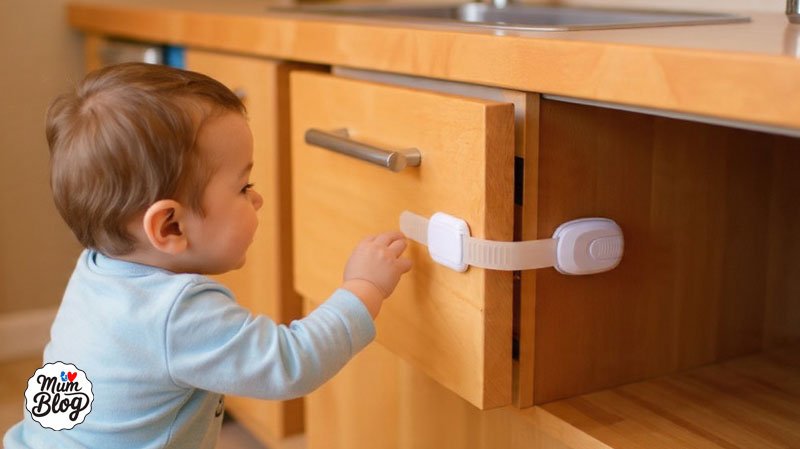
My wake-up call came when my barely-mobile six-month-old somehow scooted herself across the room and grabbed a phone charger cord. I thought I had time before baby-proofing became urgent. Babies, it turns out, don’t wait for us to be ready.
Key Takeaways
Start baby-proofing before baby becomes mobile — they move faster than you expect. Focus first on the biggest hazards: furniture that can tip, accessible cords and outlets, and stairs. You don’t need to buy every safety gadget; some of the best proofing is simply removing or relocating dangerous items.
The Short Answer: Secure furniture that could tip, cover electrical outlets, lock cabinets with dangerous contents, and gate off stairs. Start at floor level and look at your home from baby’s perspective — they’ll find hazards you never noticed.
Let me walk you through a practical approach to baby-proofing that addresses real risks without turning your home into a padded cell.
Start with the Serious Stuff

Not all hazards are equal. Some things can cause minor bumps; others can be fatal. Focus your energy on the most dangerous first.
Furniture tip-overs kill children every year. Dressers, bookshelves, and TV stands can fall on a climbing toddler. Anchor anything that could tip to the wall using furniture straps. Yes, even that IKEA dresser that seems stable. Especially that IKEA dresser, actually — some have been recalled specifically for tip-over deaths.
TVs should be mounted to the wall or placed on a low, stable stand well out of reach. Flat-screens are particularly dangerous because they’re top-heavy and easy to pull over.
Window falls are another serious risk. If you have windows above ground level, install window guards or stops that prevent them from opening more than a few inches. Screens don’t keep children in — they’re designed to keep bugs out and will pop out under pressure.
The Kitchen: Most Accidents Happen Here
Kitchens are fascinating to babies and full of dangers. Hot surfaces, sharp objects, toxic cleaners, and climbing opportunities converge in one room.
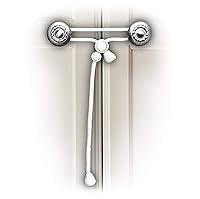
Cabinet locks are essential for any low cabinet containing cleaning supplies, medications, or sharp objects. You have options — magnetic locks are invisible but require a key you might misplace; adhesive latches are easier but visible; sliding locks work on double-door cabinets. Choose what you’ll actually use consistently.
Move dangerous items up high. Cleaning supplies can go in a high cabinet. Knives can live in a high drawer. This is simpler than locking everything and works even when you forget to engage the lock.
Stove knob covers prevent little hands from turning on burners. Use back burners when possible, and turn pot handles toward the back so they can’t be grabbed. An oven lock prevents opening the door while it’s hot.
Consider a kitchen gate if your layout allows. Keeping baby out of the kitchen during cooking eliminates many risks at once. On the other hand, you want your baby with you right? so up in the high chair is the safest place! 😄
Living Areas and Common Spaces
Your living room might look safe, but baby-level hazards are everywhere. Get down on hands and knees — literally — and see what baby sees.
Electrical outlets at floor level are irresistible to little fingers. Simple plastic outlet covers work for unused outlets. For outlets in use, consider box covers that enclose the entire outlet and cord.
Cords are dangerous for strangulation and pulling. Blind cords should be shortened or replaced with cordless blinds. Lamp and electronics cords can be hidden behind furniture or run through cord covers.
Coffee tables with sharp corners cause a lot of first-year injuries. Corner bumpers soften the edges, or you might temporarily store the coffee table and bring it back when baby’s steadier on their feet.
Houseplants need evaluation. Many common plants are toxic if eaten. Move plants up high or choose baby-safe varieties. Check specific plants against toxicity lists — you might be surprised what’s dangerous.
Stairs and Doors
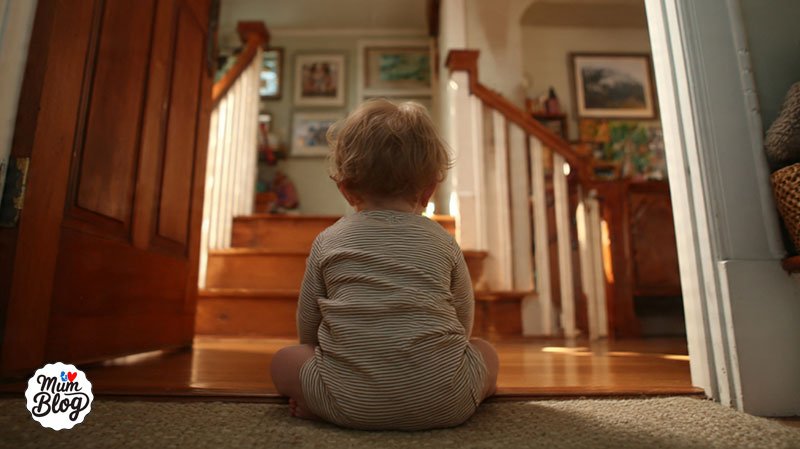
Stairs need gates at both top and bottom once baby becomes mobile. Top-of-stairs gates should be hardware-mounted — screwed into the wall or railing — not pressure-mounted. A pressure gate at the top can be pushed out by a determined toddler, causing falls.
Bottom-of-stairs gates can be pressure-mounted since a failure there means baby falls into the gate, not down the stairs. Either type should be difficult for children to open but manageable for adults carrying laundry.
Door stoppers prevent pinched fingers. The heavy doors that slam shut in drafts can cause serious finger injuries. Either remove the stopper pegs that let doors close fully, or add finger guards to door hinges.
Door knob covers prevent toddlers from opening doors you don’t want them accessing — utility rooms, garages, bathrooms, or outside doors. They require an adult grip to operate, which buys you time.
Bathroom Hazards
Bathrooms combine water, hard surfaces, and medications — a dangerous trio. Most bathroom injuries and poisonings are preventable with basic proofing.
Never leave baby unattended around water. This isn’t a proofing tip; it’s just truth. Babies can drown in inches of water, so bathtub vigilance is non-negotiable.
Lock all medications in a cabinet or container. Even child-resistant caps aren’t childproof — they’re designed to slow kids down, not stop them entirely. The only safe medication is one a child can’t reach.
Toilet locks might seem excessive until you realize toddlers love playing in toilets and can potentially drown in them too. A simple lock keeps the lid down.
Non-slip mats in the tub and on the floor reduce fall risks. A soft cover for the tub spout protects against head bumps during bath time.
When to Start and What to Skip
Start basic baby-proofing by the time baby is sitting independently — around six months. They’ll be crawling before you know it, and suddenly every low outlet and cabinet becomes accessible.
You don’t need to buy every gadget. Some families go overboard with edge protectors on everything, locks on every drawer, and foam covers on every surface. Meanwhile, the unsecured bookshelf in the corner poses the actual serious risk.
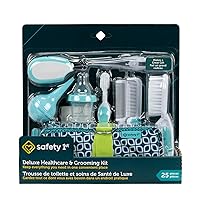
The baby-proofing industry sells a lot of stuff you don’t need. You probably don’t need a toilet paper protector, stove guard, or foam corner covers on furniture your baby never goes near. Evaluate your specific home and your specific baby. And no matter how well you baby-proof, having a first aid kit ready is essential.
Some proofing is just common sense: keep small objects off the floor, don’t leave plastic bags accessible, secure blind cords, keep hot drinks out of reach. Besides cabinets lockers that I find mandatory, No purchase necessary.
For our full list of safety essentials, check our newborn essentials checklist.
Frequently Asked Questions
When should I start baby-proofing?
Begin with major hazards (furniture anchoring, outlet covers) around the time baby starts sitting up, roughly four to six months. Complete your proofing before baby crawls, because they become mobile faster than you expect. Don’t wait until after a scare to take action.
Is there such a thing as too much baby-proofing?
Possibly. Children do need some exposure to minor risks to learn boundaries. A totally padded environment can delay learning natural consequences. Focus on serious hazards while allowing age-appropriate exploration. You’re preventing injury, not eliminating all challenge.
My rental doesn’t allow drilling — how do I anchor furniture?
Some furniture straps use adhesive or hook into existing holes. You can also use earthquake putty or museum putty on smaller items. For large furniture, consider whether the risk justifies discussing wall anchoring with your landlord — most will agree when child safety is explained.
How do I baby-proof at grandparents’ houses?
Bring a portable gate, outlet covers, and a few cabinet locks. Focus on the area where baby will spend most time. Have an honest conversation about storing medications and cleaning supplies safely. Most grandparents appreciate guidance on current safety recommendations.
When can I remove baby-proofing?
Gradually, as your child matures and learns safety rules. Some things like outlet covers might stay until age four or five. Furniture anchors should arguably remain permanently — teenagers and adults can tip furniture too. Gates usually come down around age two or three when stair navigation is safe and reliable.
Baby-proofing isn’t about creating a bubble — it’s about removing hazards that could cause serious harm while you’re teaching your child to navigate the world. Start with what matters most, and don’t let perfect be the enemy of safe enough.
Your home is about to get a lot more interesting.
Lila.