Last Updated on January 16, 2026 by Lila Sjöberg
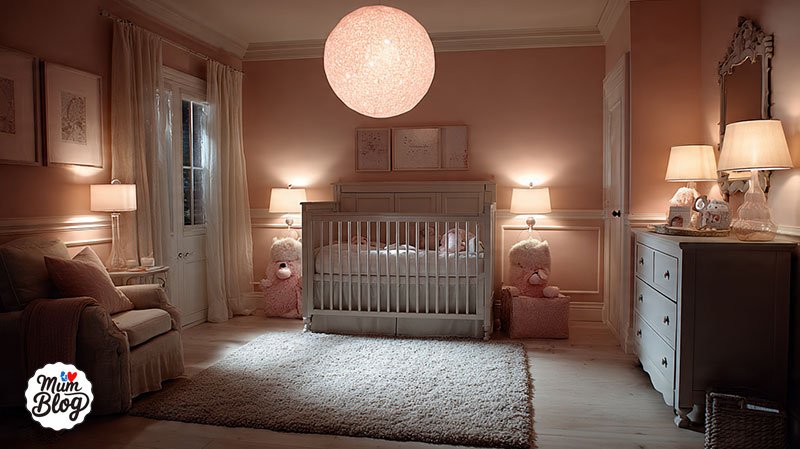
The internet is full of beautiful nursery photos with fluffy blankets, adorable stuffed animals, and gorgeous crib bumpers. And honestly? Most of it terrifies pediatricians. Safe sleep for babies isn’t photogenic, but it could save your baby’s life.
Key Takeaways
Safe infant sleep means alone, on their back, in a bare crib or bassinet. No blankets, pillows, bumpers, or stuffed animals — no matter how cute. Room-sharing for the first six months reduces SIDS risk, but bed-sharing is not recommended. These guidelines apply every sleep, every time.
The Short Answer: Put baby to sleep on their back, on a firm flat surface, with nothing else in the crib. Room-share but don’t bed-share for at least the first six months. Boring is safe.
I know these rules can feel excessive or even impossible at 3 AM when baby will only sleep in your arms. Let me explain why these guidelines exist and how to actually follow them.
The ABCs of Safe Sleep


The American Academy of Pediatrics guidelines boil down to a simple concept: baby should sleep Alone, on their Back, in a Crib (or bassinet or play yard). Every sleep, every time. This reduces the risk of Sudden Infant Death Syndrome (SIDS) and sleep-related deaths significantly.
Back sleeping is crucial. Once babies could sleep on their stomachs, SIDS rates dropped dramatically when the “Back to Sleep” campaign launched in the 1990s. Even if baby seems to prefer their stomach, back is safest until they can roll both ways on their own.
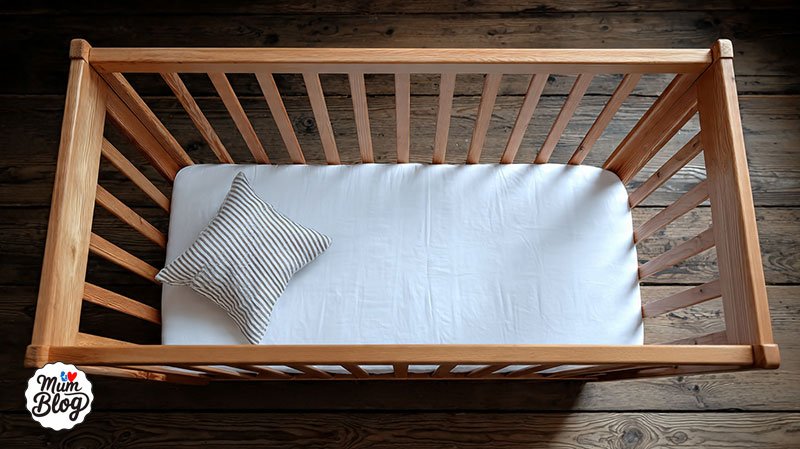
The sleep surface should be firm and flat. A mattress designed for infant sleep, meeting current safety standards, with a tight-fitting sheet. That’s it. Nothing soft, cushy, or inclined.
What Doesn’t Belong in the Crib
The list of what shouldn’t be in baby’s sleep space is longer than what should. No blankets, quilts, or comforters. No pillows of any size. No stuffed animals, no matter how small. No crib bumpers — not even the mesh “breathable” ones, which are no longer recommended. No sleep positioners or wedges. No weighted blankets or sleep sacks. No loose bedding of any kind.
This might seem extreme, especially when you see those gorgeous Pinterest nurseries. But soft items and loose bedding account for most sleep-related infant deaths 🚩. Babies can suffocate on soft surfaces, get tangled in loose fabric, or become trapped against bumpers or toys.
What about cold babies? Use a sleep sack or wearable blanket — a fitted garment that can’t cover baby’s face. Dress baby in one more layer than you’d wear, and keep the room at a comfortable 68-72°F. That’s sufficient warmth without loose bedding risks.
Room-Sharing vs. Bed-Sharing
The AAP recommends baby sleep in your room but on a separate surface for at least the first six months, ideally a year. This means a bassinet, crib, or play yard near your bed — not in your bed.
Room-sharing makes night feeds easier and lets you monitor baby throughout the night. Studies show it reduces SIDS risk. But bed-sharing — having baby sleep on the adult mattress — is associated with increased risk, particularly for young infants.
I know this is controversial. I know many cultures practice bed-sharing safely. I know desperate exhausted parents end up with baby in their bed. But the official recommendation is a separate sleep surface, and I’d be doing you a disservice not to share that clearly.
If baby is waking frequently, our guide to why babies won’t sleep explains common causes. If you’re struggling with getting baby to sleep alone, our sleep training guide offers strategies that might help.
Unsafe Sleep Situations to Avoid
Some situations carry particularly high risk. Never put baby to sleep on a couch, armchair, or recliner — even for a “quick nap.” The soft surfaces and crevices create entrapment and suffocation hazards. This applies whether you’re holding baby or not.
Car seats, strollers, and swings aren’t designed for prolonged sleep. The incline can cause baby’s head to fall forward, restricting their airway. If baby falls asleep in these, transfer them to a flat safe sleep surface when possible.
Overheating increases SIDS risk. Skip the hat indoors, avoid heavy sleepwear, and keep the room at a comfortable temperature. Baby doesn’t need to be bundled like they’re facing a blizzard.
Secondhand smoke is a major risk factor for SIDS. If anyone in the household smokes, keep it entirely away from baby and baby’s sleep environment.
What About When Baby Rolls?
Once baby can roll both ways — front to back and back to front independently — you can let them find their preferred sleep position. Still place them on their back to start, but if they roll themselves over, that’s okay.
This milestone usually happens around four to six months. Before baby can roll both ways consistently, continue repositioning them to their back if they end up on their stomach.
The rolling milestone is actually a good sign for sleep safety. It indicates baby has the neck and core strength to move themselves if breathing becomes compromised.
Creating a Safe Sleep Environment
Beyond the crib itself, a few environmental factors support safe sleep. Keep the room at a comfortable temperature — most sources suggest 68-72°F (20-22°C). Use a fan if needed; some research suggests air circulation reduces SIDS risk.
Offer a pacifier at sleep time once breastfeeding is established, if baby takes one. Studies show pacifier use during sleep reduces SIDS risk, though the mechanism isn’t fully understood.
Darkness helps sleep quality. Blackout curtains for nighttime and dimmer settings for night feeds help baby distinguish day from night. Pairing a safe environment with a consistent bedtime routine supports better sleep and may improve sleep patterns. Our sleep and comfort essentials includes options for creating a safe, cozy sleep space.
Frequently Asked Questions
What if baby only sleeps in my arms or on my chest?
Many newborns prefer contact sleep, but it’s not safe for overnight. For naps, you can hold baby while you’re awake and alert. At night, work on gradually transitioning baby to their own sleep surface. Swaddling (until they can roll), white noise, and warming the crib sheet before placing baby can help with the transition.
Are inclined sleepers safe?
No. Several brands have been recalled due to infant deaths. The AAP recommends a firm, flat surface for all infant sleep. Products marketed as “baby sleepers” or “nappers” with inclines are not safe for unsupervised sleep.
Can I use the crib bumpers that came with my bedding set?
No — bumpers of any kind are no longer recommended, including mesh, “breathable” bumpers. They pose entrapment and suffocation risks. Skip them entirely and leave the crib bare.
When can I add a blanket to the crib?
The AAP recommends waiting until at least 12 months for loose bedding. Many parents wait even longer. Until then, use sleep sacks or wearable blankets for warmth.
My baby sleeps better on their stomach. Is that okay?
Until baby can roll both ways independently, always place them on their back. Stomach sleeping significantly increases SIDS risk, even if baby seems to prefer it. Once they can roll themselves over consistently, you don’t need to keep flipping them back.
These rules might feel restrictive or scary, but knowledge is power. Most babies sleep safely and soundly. Following these guidelines stacks the odds in your favor, giving you peace of mind during those long nights.
You’re doing everything right by learning this. Your baby is lucky to have a parent who cares about getting sleep safety right.
Lila.