Last Updated on January 15, 2026 by Lila Sjöberg
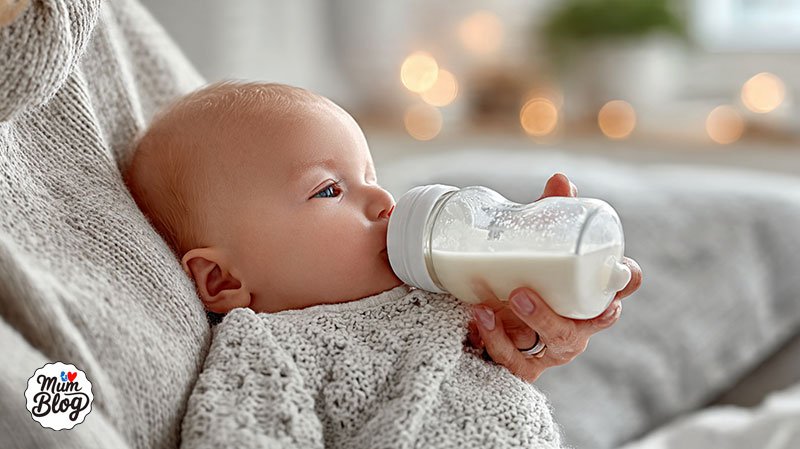
Whether you’re formula feeding from the start, supplementing breast milk, or exclusively pumping, you’ll spend a lot of time with bottles in the coming months. The choices can feel overwhelming — different bottle shapes, nipple flows, formula types, and warming methods. Let me help simplify what actually matters.
Key Takeaways
Babies can be surprisingly picky about bottles, so start with a few different types rather than committing to one brand. Nipple flow matters — newborns need slow flow to prevent choking and overfeeding. Formula choice should be guided by your pediatrician, but standard options work well for most babies.
The Short Answer: You need bottles with slow-flow nipples for newborns, a good bottle brush for cleaning, and formula recommended by your pediatrician if not using breast milk. Start small on quantity until you know what baby prefers.
Here’s what I learned navigating bottle feeding with my little one — the essentials that mattered and the products that complicated things unnecessarily.
Finding the Right Bottles

Here’s the frustrating truth: there’s no universally “best” bottle. What works perfectly for one baby might be rejected entirely by another. Some babies prefer wide nipples that mimic the breast. Others do better with narrow, traditional shapes. Some need angled bottles to reduce air intake. You won’t know until you try.
My advice is to start with a variety pack or buy two to three different brands in small quantities. Once baby shows a clear preference, stock up on that one. Buying a full set of one brand before baby arrives is a gamble that often doesn’t pay off.
Glass versus plastic is another consideration. Glass bottles are durable and don’t stain, but they’re heavier and can break. Plastic is lighter and safer if dropped, but may discolor over time. Both work fine — it’s personal preference.
We’ve rounded up options that work well for most families in our feeding essentials guide.
Nipple Flow Explained
Bottle nipples come in different flow speeds, and this matters more than most parents realize. Newborns need slow-flow nipples — usually labeled “preemie,” “level 0,” or “level 1” depending on the brand. This prevents milk from coming too fast, which can cause choking, gas, or overfeeding.
As baby grows and their sucking strength increases, you’ll move up to faster flows. Signs baby needs a faster nipple include frustration during feeds, taking forever to finish a bottle, or falling asleep mid-feed from exhaustion. There’s no strict timeline — watch baby’s cues rather than following age guidelines rigidly.
If baby seems gassy or spits up frequently, the nipple might be too fast. Our feeding struggles guide covers more troubleshooting strategies. Gulping, dribbling from mouth corners, or pulling away from the bottle mid-feed can indicate the flow is overwhelming them.
Formula Basics
If you’re using formula, talk to your pediatrician about which type suits your baby. Standard cow’s milk-based formula works well for most infants. Specialized formulas exist for specific needs — soy-based for milk protein issues, hydrolyzed for allergies, or formulas for reflux or fussiness.
Don’t switch formulas without consulting your pediatrician. Every formula meets FDA nutritional requirements, so the major brands are all adequate. Brand loyalty matters less than consistent use — babies often need time to adjust to any formula, and constant switching can cause digestive upset.
Powdered formula is most economical; liquid concentrate is convenient but pricier; ready-to-feed is the most expensive but perfect for travel or late-night feeds when you can’t think straight.
Warming and Preparing Bottles
Contrary to what some believe, bottles don’t need to be warmed. Room temperature or even cold formula is perfectly safe. Many babies accept whatever temperature you start with — if you always serve it cold, they won’t expect warm.
If you do warm bottles, a bowl of warm water works fine. Place the bottle in it for a few minutes and swirl to distribute heat evenly. Bottle warmers exist and offer convenience, but aren’t essential. Never microwave bottles — it creates hot spots that can burn baby’s mouth.
Always test temperature on your inner wrist before feeding. It should feel lukewarm or neutral, never hot.
Freshly made formula can sit at room temperature for up to two hours. Once baby has started drinking from a bottle, use it within one hour or discard — bacteria from baby’s mouth can grow in the remaining milk.
Cleaning and Sterilizing
Clean bottles thoroughly after every use. Breast milk and formula residue can harbor bacteria quickly. A good bottle brush reaches all the corners; a separate nipple brush cleans those small crevices.
For healthy, full-term babies, sterilizing after the first use isn’t strictly necessary if you have clean water and wash thoroughly with hot soapy water. The CDC recommends sterilizing before first use and periodically if baby is under three months, premature, or immunocompromised.
To sterilize, you can boil bottles and nipples for five minutes, use a microwave steam sterilizer, or a countertop electric sterilizer. All methods work — choose based on your convenience.
Making Night Feeds Easier
Middle-of-the-night feeds are easier with preparation. If you’re using formula, you can pre-measure powder into bottles and have water ready — just combine when baby wakes. A small fridge in the bedroom can hold prepared bottles or breast milk that just needs warming.
Keep everything you need in one spot: bottles, formula, burp cloths, and a dim nightlight so you’re not turning on bright lights. A thermos of warm water by the bed can take the chill off a cold bottle faster than stumbling to the kitchen.
And remember, sharing night feeds with a partner is one of the beautiful advantages of bottle feeding. Trade off nights or shifts so everyone gets some continuous sleep.
Frequently Asked Questions
How many bottles do I need?
Newborns eat eight to twelve times daily, so having six to eight bottles means you can wash once a day instead of after each feed. As feeding frequency decreases, you’ll need fewer bottles actively in rotation.
How do I know if baby is eating enough?
Watch diaper output and weight gain. Plenty of wet and dirty diapers daily, along with steady weight gain at pediatrician visits, indicates baby is getting enough. Your pediatrician can guide you on expected intake by age and weight.
Why does my baby seem gassy after bottle feeding?
Common causes include nipple flow that’s too fast, not burping frequently enough during feeds, or swallowing air. Try a slower nipple, more upright feeding position, or bottles designed to reduce air intake. If gas persists, mention it to your pediatrician.
Can I switch between breastfeeding and bottle feeding?
Absolutely. Many families combine both successfully. If you’re trying to maintain breast milk supply, nurse or pump regularly. Some babies transition between breast and bottle easily; others develop preferences. Pace feeding with bottles can help baby who goes back and forth.
How long can I use the same nipple?
Replace nipples when they become discolored, sticky, or show signs of wear. A damaged nipple can be a choking hazard. Most manufacturers recommend replacing every two to three months, but check them regularly.
Bottle feeding comes with a learning curve like any aspect of parenting. Once you find the bottles baby likes, establish a cleaning routine, and figure out your night feed system, it becomes second nature. You’re nourishing your baby, and that’s what matters most.
Lila.