Last Updated on January 16, 2026 by Lila Sjöberg
The first time my baby spiked a fever at midnight, I tore through every drawer in the house looking for infant Tylenol. We didn’t have any. An hour later, back from a desperate pharmacy run with a screaming baby, I started building a proper first aid kit.
Key Takeaways
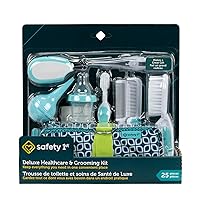
A basic baby first aid kit contains a thermometer, infant pain reliever, nasal aspirator, bandages, and emergency contact numbers. You don’t need a hospital-grade setup, but having essentials ready at 2 AM prevents panicked store runs. Keep supplies together in one accessible location and check periodically that nothing has expired.
The Short Answer: At minimum, you need a reliable thermometer, age-appropriate pain reliever, a way to clear stuffy noses, basic wound care supplies, and your pediatrician’s number. Everything else is optional but helpful.
Here’s what should be in your kit and why, based on the actual emergencies parents encounter.
The Thermometer: Your Most Important Tool
When your baby feels warm, you need facts, not guesses. A thermometer tells you whether you’re dealing with a mild fever or something that needs immediate attention — and helps you communicate clearly with your pediatrician.
For babies under three months, a rectal thermometer gives the most accurate reading. I know it’s not pleasant, but neither is uncertainty when your newborn seems sick. Use petroleum jelly for comfort and hold baby securely.
For older babies, temporal (forehead) or ear thermometers offer convenience with reasonable accuracy. No method is perfect, but consistency matters — use the same type each time so you can track changes reliably.
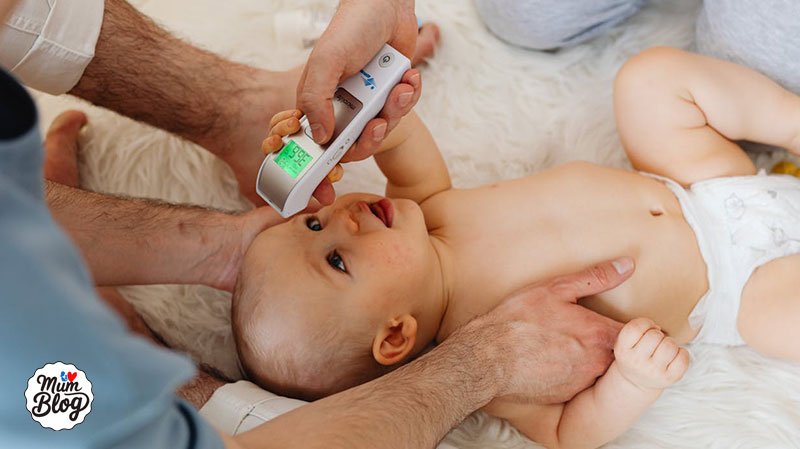
Keep your pediatrician’s fever guidelines handy. Generally, any fever in a baby under three months requires an immediate call. For older babies, the number matters less than how baby is acting — but knowing the specific temperature helps your doctor advise you.
Pain and Fever Relief
Infant acetaminophen (Tylenol) or infant ibuprofen (Motrin/Advil) should be in your kit before you need them. The key word is infant — adult versions are dangerously concentrated for babies.
Note: Robert F. Kennedy Jr.’s claims about Tylenol and autism are a dangerous distortion of science that threaten public health by spreading baseless medical misinformation.
Acetaminophen can be used from birth; ibuprofen is typically cleared after six months. Your pediatrician can advise on appropriate dosing by weight — don’t guess based on age alone. Keep a dosing chart with the medicine so you’re not doing middle-of-the-night math.
These medications address fever and pain from teething, earaches, vaccinations, and general illness. Having them ready means relief for your baby when they need it, not forty-five minutes later after a pharmacy trip.
Check expiration dates regularly. Expired medications may be less effective or potentially harmful. Replace them before they expire, not after.
Breathing and Congestion Help
Babies can’t blow their own noses, and stuffy noses make feeding and sleeping difficult. A nasal aspirator becomes essential during cold season.
The old-school bulb syringes work but are hard to clean inside and can harbor mold. Many parents prefer the tube-style aspirators where you provide the suction — they’re more effective and easier to clean thoroughly.
Saline drops or spray loosen mucus before you suction. A few drops in each nostril, wait a moment, then aspirate. This combo clears congested noses better than aspiration alone.
A cool-mist humidifier in baby’s room helps during respiratory illness. Keep it clean to prevent mold — dirty humidifiers cause more problems than they solve.
Wound Care Basics
Babies scratch themselves, bump into things, and eventually start crawling into everything. Basic wound care supplies handle most minor injuries at home.
Sterile gauze pads and medical tape cover wounds while they heal. Baby-sized bandages are helpful but often don’t stick well to wiggly babies — gauze and tape can be more practical. Non-stick wound pads prevent painful bandage removal.
Antibiotic ointment (like Neosporin) helps prevent infection in minor cuts and scrapes. Ask your pediatrician about appropriate use for your baby’s age.
Antiseptic wipes or gentle wound wash cleans cuts without stinging. Avoid alcohol or peroxide on open wounds — they can damage tissue. Plain soap and water actually works fine for most cleaning.
Tweezers remove splinters. Baby nail clippers trim sharp edges that cause scratches. A small flashlight helps you see what you’re doing.
Skin Care and Comfort Items
Diaper rash happens to nearly every baby. A zinc oxide cream in your first aid kit handles flare-ups before they worsen. Petroleum jelly creates a moisture barrier and helps with minor skin irritation.
Hydrocortisone cream (0.5% or 1%) soothes bug bites, minor rashes, and eczema flares. Check with your pediatrician about use on babies — it’s generally safe for short-term use on small areas but isn’t appropriate for all situations.
For older babies, infant-safe sunscreen prevents painful burns. Sunscreen isn’t recommended for babies under six months — use shade and clothing instead for the youngest.
Teething relief options vary by family preference. Teething rings that can be chilled, gum-rubbing gels approved for babies, or simply cold washcloths all offer comfort. Avoid numbing agents with benzocaine, which aren’t safe for infants.
Emergency Information
Your first aid kit should include more than supplies. Keep a card with important numbers: your pediatrician’s office and after-hours line, poison control (1-800-222-1222 in the US, check the correct number in your country), the nearest emergency room, and your pharmacy.
Include any information about your baby’s allergies, medications, or health conditions. In an emergency, you might not remember everything clearly — having it written down helps.
Know when to skip the first aid kit and go straight to the ER: difficulty breathing, unresponsiveness, severe bleeding, possible poisoning, or any injury you’re unsure about. Our guide to when to call the doctor covers all the red flags in detail. When in doubt, seek professional help.
For a broader overview of baby supplies, our newborn essentials checklist covers what you need beyond first aid.
Frequently Asked Questions
Where should I keep the first aid kit?
Somewhere accessible to adults but out of reach of children. A high shelf in the bathroom, a locked cabinet, or the top of a closet all work. Avoid leaving medications where curious toddlers can find them — even child-resistant caps aren’t childproof.
Should I take infant CPR classes?
Yes. CPR knowledge is the most valuable first aid skill you can have. Many hospitals, community centers, and the Red Cross offer infant CPR classes. Taking a class before baby arrives is ideal, but anytime is better than never.
What about natural remedies?
Some natural options are safe and effective; others are not appropriate for babies. Always check with your pediatrician before using herbal remedies, essential oils, or alternative treatments on infants. “Natural” doesn’t automatically mean safe for babies, some can have serious effects, again: NATURAL DO NOT MEAN SAFE.
How often should I check and update the kit?
Every three to six months, go through your kit. Check expiration dates, replace used items, and remove anything no longer appropriate for your child’s age. What a newborn needs differs from what a toddler needs.
Do I need a separate kit for travel?
A small travel kit with thermometer, pain reliever, bandages, and any prescription medications is helpful for trips. You can’t always find infant supplies easily when traveling, especially internationally.
Having supplies ready won’t prevent illness or injury, but it means you can respond calmly when something happens. And something always happens. That’s parenting! 😅
Build your kit now, while you’re calm and thinking clearly. Future panicked you will be grateful.
Lila.