Last Updated on January 25, 2026 by Lila Sjöberg
Can we talk about the gap between craft inspiration and craft reality? Because I’ve been there — full of enthusiasm, supplies ready, vision clear. And then my toddler ate the glue, my preschooler declared the project “boring” after two minutes, and I was left wondering why I bothered. But here’s what I’ve learned: the mess IS the memory. The wonky handprint that looks nothing like a turkey? That’s the treasure. Whether you’re celebrating Christmas, Diwali, Eid, Hanukkah, or just the changing seasons — let me share what actually works when real kids are involved.
Key Takeaways
Holiday crafts should prioritize process over product — the making matters more than the result, especially for young children. The simplest crafts often become the most treasured; complexity doesn’t equal meaning. Planning ahead makes holiday activities more successful; gathering supplies before the chaos of the season helps everything run smoother. Some of the best holiday memories involve no crafts at all — traditions of food, stories, and simple time together often matter more than what you make.
The Short Answer
Choose holiday crafts slightly below your child’s skill level to ensure success and enjoyment. Focus on experiences rather than Instagram-worthy results. The best seasonal activities combine simple crafting with sensory play, baking, and traditions that don’t require anything except being together.
Rethinking Holiday Crafts
The pressure to create elaborate holiday crafts comes from a world of styled photos and comparison traps. Real children don’t make projects that look like the tutorial. They make projects that look like children made them — which is exactly what they should look like.
The goal isn’t producing decorations worthy of display. It’s providing sensory experiences, time together, and connections to seasonal rhythms. When a handprint turkey looks nothing like a turkey, that’s fine. Your child still felt the paint on their palm, made something with you, and participated in the season. That’s the whole point.
Choose projects below their skill level rather than at or above it. Success feels good. Frustration with fine motor demands beyond their ability doesn’t create holiday magic — it creates meltdowns. Simple projects executed with joy beat complex projects abandoned in tears.
Winter Holidays
December brings pressure to craft constantly. Resist the urge to fill every day with projects. A few simple traditions repeated yearly matter more than a different elaborate craft each day.
Paper chain countdowns work for any December holiday. Cut strips of construction paper, form into chain links, and remove one each day. Kids old enough to cut can make the chains themselves. The daily ritual of removing a link and seeing the chain shrink builds anticipation better than any advent calendar you could buy.
Salt dough ornaments create keepsakes that last. Mix flour, salt, and water into dough, roll and cut shapes, bake until hard, then paint and seal. Handprint versions become treasures years later when you see how small those hands once were. Make a batch each year and watch the collection grow.
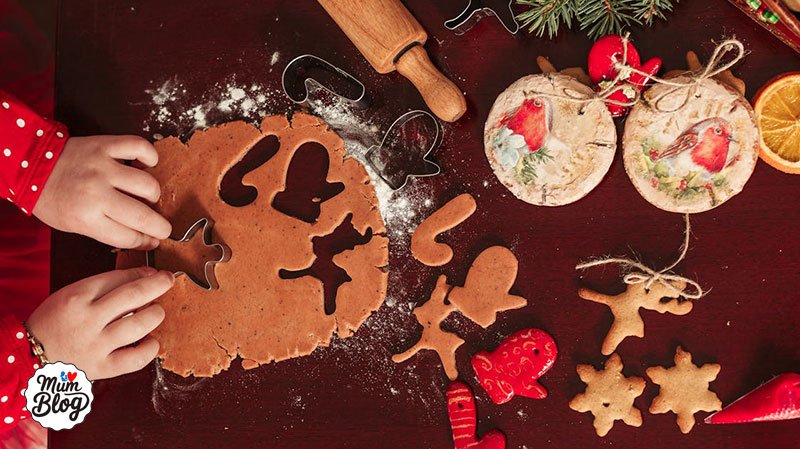
Decorating cookies together matters more than cookie perfection. Make or buy simple sugar cookies, provide frosting and sprinkles, and let them decorate with full creative control. Yes, the results will be heavily frosted chaos. That’s the beauty of it. Eating cookies you decorated yourself tastes better than any bakery version.
Valentine’s Day
Hearts are easy shapes even for toddlers. The simplest Valentine activities work because hearts are forgiving — slightly wonky still reads as heart-shaped.
Torn paper heart collages require no scissors and produce satisfying results. Tear red and pink paper into pieces, glue onto heart-shaped base. Even toddlers can tear and stick. The texture of torn edges makes these surprisingly pretty.
Heart stamps from toilet paper tubes bent into heart shapes create repeatable, easy prints. Dip in paint, press onto paper, repeat. Make cards, wrapping paper, or art. The process is more engaging than freehand drawing for many kids.
Love notes to family members — grandparents, aunts, uncles, friends — turn craft time into connection time. Even scribbled marks from a toddler mean something when sent to someone who loves them. Older kids can dictate or write their own messages.
Spring Celebrations
Easter, Passover, or simply welcoming spring — this season brings themes of renewal, growing things, and the return of color after winter’s gray.
Egg dyeing is classic for good reason. The transformation of white egg to colored egg is genuine magic for kids. Use traditional dye kits or natural dyes from food (beets, turmeric, red cabbage). Let them experiment with color combinations and timing. Imperfect results still look beautiful in a basket.
Planting seeds connects to spring’s themes of growth. Even indoor containers work — beans sprout quickly and visibly, satisfying impatient young gardeners. Decorate pots with paint or stickers before planting. Watch daily for sprouts. The anticipation and observation build patience and wonder.
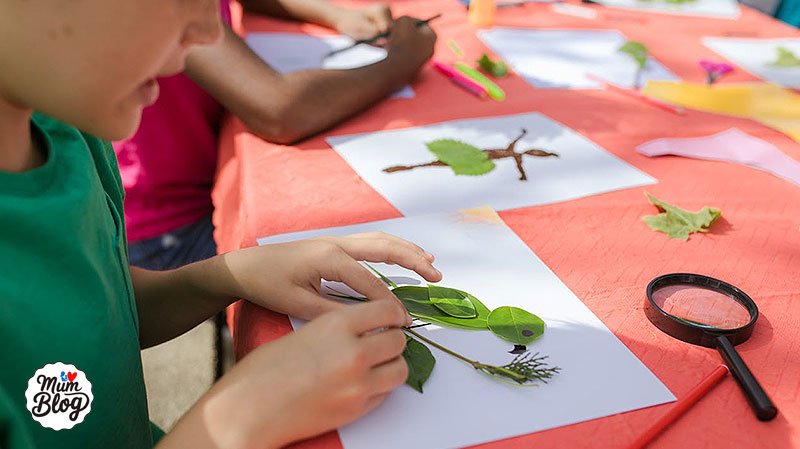
Nature collages from spring findings — flowers, leaves, petals — preserve the season’s beauty. Press items between book pages, then glue onto paper or cardboard. Frame the results or send to grandparents. The collecting outside matters as much as the crafting inside.
Summer and Fourth of July (For readers from USA)
Summer crafts work best when they embrace the season’s casual energy. Nothing too precise, nothing too structured. Think easy and mess-friendly.
Patriotic tie-dye in red, white, and blue works for Fourth of July (for our readers in the USA, otherwise pick your national day celebration!) or all summer long. T-shirts, bandanas, pillowcases — anything cotton works. The unpredictable results of tie-dye mean every project succeeds differently. Kids love the reveal when rubber bands come off.
Sun prints using light-sensitive paper capture nature’s shapes through photography without cameras. Lay objects (leaves, flowers, toys) on the paper, expose to sun, rinse, and watch images appear. Science and art combined.
Bubble activities scale from simple to elaborate. Make your own solution (dish soap and water plus glycerin if you want stronger bubbles), create wands from pipe cleaners or flyswatters, experiment with giant bubbles using string wands. Bubble painting — catching bubbles on paper to create prints — adds creative dimension.
Fall and Halloween
Leaves, pumpkins, and cozy themes dominate fall crafting. Nature provides most of the materials.
Leaf pressing and crafts preserve autumn’s colors. Press leaves between wax paper with an iron (adult job) to seal color. Make leaf collages, leaf people, leaf crowns. Rub crayons over leaves under paper for texture prints.
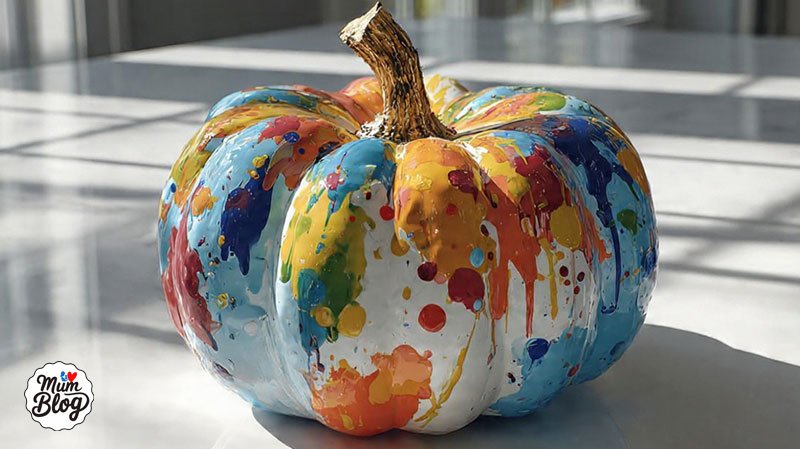
Pumpkin decorating doesn’t require carving. Toddlers and young kids can paint pumpkins, stick on googly eyes, use markers, attach stickers. The results last longer than carved pumpkins and eliminate knife concerns. Our creative play guide has more ideas for open-ended art projects.
Simple costumes from items at home engage imagination without expense. A cardboard box becomes a robot, car, or TV. Old clothes become characters. Face paint transforms without elaborate costume purchases. Kids often prefer costumes they helped create to store-bought perfection.
Year-Round Traditions Beyond Crafts
The most meaningful holiday traditions often don’t involve crafting at all.
Special foods matter. The cookies I only make at Christmas. The latkes at Hanukkah. The specific pie at Thanksgiving. Food traditions create sensory memories that last lifetimes. Let kids participate in making them, even if participation slows things down.
Reading seasonal books builds anticipation and understanding. Library trips before each holiday for a stack of themed books. The same favorites read every year until they become part of the season itself.
Simple rituals repeated yearly become traditions. Driving to look at lights. First day of spring picnic. Summer solstice staying up late. These don’t require preparation or materials — just intention and repetition.
Holiday Crafts FAQ
My toddler ruins every craft project immediately. Is it even worth trying?
Absolutely — but adjust expectations. Toddler crafts are about sensory experience and spending time together, not producing keepsakes. Let them explore materials freely. Expect short engagement. Consider the process complete when they’re done, not when you’re done.
How do I handle different skill levels when crafting with multiple kids?
Same basic project, different execution. Older kids follow more complex versions while younger ones do simplified adaptations. Or give older kids mentor roles — helping the younger one builds both relationship and confidence.
Everything I try ends in disaster. Am I just not a craft person?
Lower the bar dramatically. If paint on paper counts as success, you’ll succeed more often. Disasters usually come from expectations being too high. The simplest possible version of any craft is usually the right choice for young kids.
How do I contain the mess without killing the fun?
Contain the space, not the child. Dedicated craft table or floor area protected with old sheets or newspaper. Smocks or old clothes. Everything washable. Accept that some mess is part of the deal, and clean up is part of the process too.
What They’ll Remember
Here’s the thing about holiday crafts: your kids won’t remember whether the handprint looked exactly like a turkey. They’ll remember that you sat with them and made something. They’ll remember the feel of the paint and the smell of the cookies and the way winter light came through the windows while you cut paper chains together.
The imperfect craft made with love is better than the perfect craft made with stress. The simple tradition repeated every year is worth more than the elaborate event that happened once. The time together is the point — everything else is just materials.
Here’s the thing about holiday crafts: your kids won’t remember whether the ornament was perfect. They’ll remember that you sat with them. They’ll remember the feel of the paint and the smell of the cookies and the way the light came through the windows while you worked together. The imperfect craft made with love beats the perfect one made with stress every single time. So what traditions are you creating in your home? I believe the simplest ones often become the most precious. Now go make some beautiful memories — glitter explosions and all.
Lila.