Last Updated on January 21, 2026 by Lila Sjöberg

I tried one of those elaborate meal planning systems once — the kind with color-coded spreadsheets, themed dinner nights, and enough prep work to rival a restaurant kitchen. It lasted exactly four days before I found myself crying over a cutting board at 9 PM, still not done with Tuesday’s prep on Thursday. Turns out, planning meals while raising children requires a different approach than planning meals when you have abundant time and energy (which is… when, exactly?).
Real meal planning for families isn’t about Instagram-worthy meal prep Sundays. It’s about reducing the daily “what’s for dinner” panic while accounting for the chaos that is life with kids.
Key Takeaways
Effective meal planning for families is simple and flexible, not elaborate and rigid — plan loosely, not down to every detail. Planning 5 dinners for a 7-day week builds in buffer for leftovers, takeout, or life happening. A rotating list of 10-15 reliable family meals eliminates decision fatigue. Batch prepping ingredients (not full meals) is more realistic than full meal prep for most families. The goal is reducing stress, not achieving perfection.
The Short Answer: Plan meals by choosing 5 dinners per week from a rotating list of family favorites, prepping basic ingredients in advance, and building in flexibility for inevitable chaos. Keep a stocked pantry for backup meals, and let go of the idea that every dinner needs to be a production.
Let’s build a system that actually works with your life.
Why Most Meal Planning Fails






Traditional meal planning assumes you have time to plan, time to shop, time to prep, and time to execute — all without interruption from small humans who need things constantly. It also assumes that plans go according to plan, which anyone with kids knows is adorable fiction.
The too-ambitious plan fails first. If your meal plan requires 2 hours of Sunday prep and elaborate weeknight cooking, you’ll abandon it the first week something goes wrong (which will be the first week). Sustainable planning has to fit into the margins of your life, not demand hours you don’t have.
The too-rigid plan fails next. Plans that don’t account for the day when one kid has a meltdown, another has a surprise school project, and you have a deadline at work aren’t plans — they’re stress generators. Flexibility isn’t a failure of planning; it’s the core feature.
The Simple Framework
Here’s what actually works: plan loosely, prep minimally, and always have backup options.
Plan five dinners for seven days. This leaves room for leftovers, unexpected takeout, or the night when breakfast-for-dinner saves everyone’s sanity. You’ll have meals ready without the pressure of executing perfectly every single night.
Assign meal types, not specific recipes. Instead of “Tuesday: lemon herb chicken with roasted vegetables,” try “Tuesday: protein + veggie.” This gives you flexibility to adjust based on what’s on sale, what you’re actually in the mood for, and what energy level you have that evening.
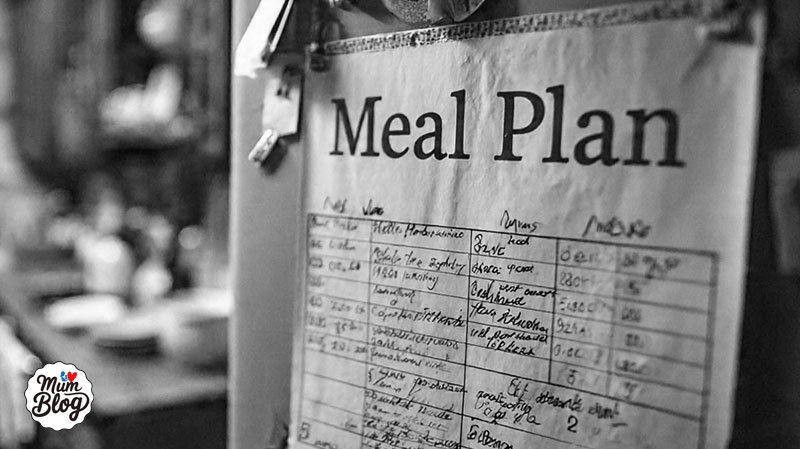
Keep a master list of 10-15 family-approved meals. These are your rotation staples — dishes you can make almost on autopilot, that most family members will eat, with ingredients you can keep on hand. Rotate through this list rather than constantly searching for new recipes.
Building Your Master List
Your rotation meals should hit these criteria: most family members will eat them, they’re reasonably quick to prepare, you know the recipe well enough to make it without stressing, and ingredients are easy to find and keep on hand.
Think simple. Tacos, pasta with jarred sauce and frozen meatballs, stir-fry, sheet pan chicken and vegetables, sandwiches and soup, breakfast for dinner, homemade pizza on store-bought crust. These aren’t glamorous, but they’re reliable.
Include some “emergency” meals that require almost no cooking: rotisserie chicken with bagged salad and bread, cheese quesadillas with fruit, frozen pizza upgraded with extra veggies, deli sandwiches. No shame — these are legitimate dinners.
Our 20 family-friendly recipes has plenty of options to build your rotation from.
The Minimal Prep Approach
Forget elaborate meal prep sessions. For most families, prepping components works better than prepping complete meals.
When you get home from grocery shopping: wash and chop vegetables that you’ll use in multiple meals this week. Cook a big batch of grains (rice, quinoa) that can go with different dinners. Brown ground meat if you’ll use it more than once. Portion out snacks into grab-and-go containers.
This takes 20-30 minutes and removes the biggest time barriers from weeknight cooking. Having onions already chopped and rice already cooked means dinner comes together in 15 minutes instead of 45.
Don’t prep things that won’t keep or that taste better fresh. Prep what removes friction, skip what doesn’t actually help.
The Backup Pantry
Every family needs a “plan fell apart” backup system. This is a stocked pantry and freezer with ingredients for 3-4 complete meals that require no fresh ingredients and minimal effort.
Pantry staples: pasta, jarred sauce, canned beans, rice, canned tomatoes, broth, mac and cheese boxes, pancake mix, peanut butter, bread (freeze extra loaves).
Freezer staples: frozen vegetables, frozen meatballs, chicken breasts or thighs, frozen pizza, breakfast items (waffles, sausages), burger patties.
When plans derail completely, you can still put together pasta with jarred sauce and frozen meatballs, or scrambled eggs with frozen veggies, or quesadillas with whatever cheese is in the fridge. Not Pinterest-worthy, but dinner.
Involving Kids
Depending on ages, kids can participate in meal planning and prep. Let them choose one meal for the week from your master list. Bring them grocery shopping and let them pick produce. Assign age-appropriate prep tasks: washing vegetables, stirring, tearing lettuce, setting the table.
Involvement increases investment. A child who helped make dinner is more likely to eat it (no guarantees with toddlers, obviously, but it helps). It also teaches life skills and creates connection around food.
When Planning Goes Wrong
Some weeks, the plan will implode. A kid gets sick. Work explodes. You’re exhausted beyond functioning. The plan sits there mocking you with its organized optimism.
This is what backup meals are for. This is what takeout is for. This is what cereal for dinner is for. Abandoning a meal plan when life gets hard isn’t failure — it’s appropriate flexibility.
The plan exists to serve you, not the other way around. If following the plan creates more stress than it solves, adjust the plan or abandon it for the week. Next week you try again. That’s the whole system.
Frequently Asked Questions
How far in advance should I plan?
One week is enough for most families. Planning further ahead sounds efficient but doesn’t account for reality — you don’t know next week’s energy levels, schedule, or what will be on sale. Plan Sunday or Monday, shop once, reassess as needed.
Should each family member get to pick a meal?
If it works for your family, sure. But don’t let this become a referendum where everyone has veto power and nothing is acceptable. Parents decide what’s offered; kids can have input within reason. Our picky eater guide has more on this dynamic.
How do I handle different dietary needs in one family?
Build meals with modular components when possible — a base (rice, pasta) plus protein plus vegetables, where each person can assemble according to preference. Make one meal with accommodations rather than multiple separate meals. Feed the allergies/restrictions as the default and let others add to their portions.
I hate cooking. Can I still meal plan?
Absolutely. Meal planning actually helps non-cooks more because it removes the daily decision stress. Build your rotation around simple options: rotisserie chicken, sandwiches, simple pastas, sheet pan meals. No elaborate cooking required.
Progress Over Perfection
The best meal plan is one you’ll actually use. If that’s five dinners scribbled on a sticky note, great. If it’s a simple app on your phone, great. If it’s a mental list you keep in your head of “things we eat,” also great.
You don’t need beautiful charts or themed nights or elaborate prep sessions. You need to reduce the daily dinner stress enough that feeding your family doesn’t feel like a nightly crisis.
Start simple. Adjust as you go. And remember: any dinner you get on the table counts as success.
You’re feeding your family. That’s the whole point. Everything else is details.
Lila.