Last Updated on January 15, 2026 by Lila Sjöberg
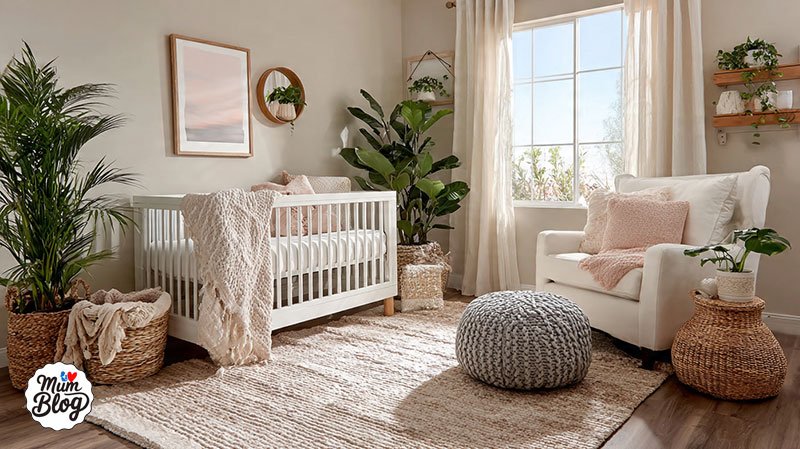
I spent weeks obsessing over nursery paint colors and wall decals, only to realize my baby spent most of her first months sleeping in a bassinet in our bedroom. The beautifully designed nursery? Barely used until she was four months old.
Key Takeaways
Focus your nursery setup on function over aesthetics — you need a safe sleep space, a comfortable spot for night feeds, practical storage for diapers and clothes, and good lighting you can dim. Most Pinterest-worthy details can wait until baby is older and actually spends time in the room.
The Short Answer: A functional nursery needs a safe crib, a comfortable chair for feeding, a changing area with supplies within arm’s reach, and storage that makes 3 AM diaper changes possible in the dark. Everything else is bonus.
Here’s what I wish someone had told me: design your nursery for exhausted nighttime you, not for Instagram. Let me walk you through setting up each zone for actual daily use.
The Sleep Zone


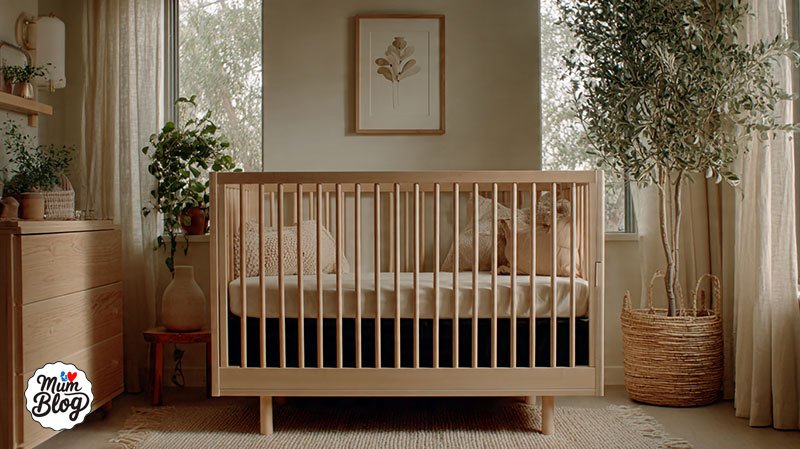
This is the heart of your nursery, and safety comes first. Your crib should meet current safety standards — if you’re using a hand-me-down, check it hasn’t been recalled. Place it away from windows, cords, and anything baby could reach as they grow.
Inside the crib, less is more. A firm mattress with a fitted sheet and nothing else. No bumpers, no pillows, no stuffed animals, no matter how cute they look in photos. Our complete sleep safety guide explains why. According to the AAP, a bare crib is the safest sleep environment. You can add the adorable details when your child is older.
For the first months, many parents keep a bassinet in their own bedroom, which the AAP recommends for at least the first six months. So don’t stress if your nursery isn’t perfect right away — baby might not even sleep there initially. Our sleep training guide covers when and how to transition to the nursery.
If you’re looking for crib and bassinet options, we’ve gathered our favorites in our sleep and comfort essentials.
The Feeding Station
Whether you’re breastfeeding or bottle feeding, you’ll spend countless hours in a chair holding your baby. This is not the place to skimp. A comfortable glider or rocker with good arm support makes night feeds significantly more bearable.
Position your chair near an outlet for your phone charger — those long feeding sessions are prime scrolling time, and you’ll want entertainment. A small side table within reach holds your water bottle, burp cloths, and whatever snacks keep you going at 2 AM.
Lighting matters more than you’d think. You want something you can dim or a lamp you can switch on without blinding yourself or fully waking baby. A soft nightlight plugged into the wall works too. Avoid overhead lights for night-time feeds — they signal “wake up” to baby’s brain when you’re trying to keep things sleepy.
Consider a nursing pillow that stays in the chair, ready to go. You don’t want to be hunting for supplies while holding a hungry newborn.
The Changing Area
You have two main options: a dedicated changing table or a changing pad on top of a dresser. The dresser route is smart because you’ll use that furniture long after diaper days end. Whichever you choose, make sure everything you need is within arm’s reach — because you cannot leave a baby unattended on a changing surface, not even for a second.
Keep diapers, wipes, and cream right there. Some parents use drawer organizers, others prefer open baskets. Whatever system means you can grab a diaper one-handed while keeping the other hand on a wiggly baby.
A small trash can or diaper pail next to the changing area saves you from accumulating dirty diapers across the room. And keep a stack of backup onesies in this zone too — outfit changes happen frequently in newborn life.
If you want specific setup tips, our diaper changing station guide breaks down exactly what you need.
Storage That Actually Works
Baby clothes are tiny, but somehow they multiply like rabbits. The key to nursery storage is accessibility. You’ll be grabbing onesies, sleep sacks, and burp cloths constantly, often while holding a baby.
Drawer dividers help organize by size — newborn in one section, 0-3 months in another. When baby outgrows a size, it’s easy to swap in the next. Hang a few special outfits, but most baby clothes fold better than they hang.
Open shelving or baskets work well for items you grab frequently: diapers, extra wipes, swaddles. Closed storage suits things you need less often: seasonal clothes, backup sheets, keepsakes.
Think vertical too. The back of the door can hold a shoe organizer repurposed for small items like socks, hats, and lotions. Wall shelves above the changing table keep things accessible without eating floor space.
What Can Wait
Here’s permission to not finish everything before baby arrives. Wall art? Can go up later. Books on shelves? Baby won’t care for months. That perfect rug? Maybe wait until you know the room’s traffic patterns.
Mobiles and toys aren’t necessary for newborns — they can barely see beyond a foot from their face. A play gym comes in handy around 2-3 months, not before. The elaborate gallery wall won’t mean anything to your baby but might stress you out to complete pre-birth.
Focus your energy on the functional zones. The rest can evolve as your baby grows and you figure out how you actually use the space.
Frequently Asked Questions
Do I really need a separate nursery?
Not immediately. Many families have baby sleep in their bedroom for months, and some never set up a separate nursery at all — especially in smaller homes. A nursery is nice to have but not essential for newborn care.
How dark should the nursery be for sleep?
Very dark for night-time sleep, which helps establish circadian rhythms. Blackout curtains or shades are worth the investment. For daytime naps, slightly less dark is fine — it actually helps baby learn the difference between day and night.
What temperature should the nursery be?
Between 68-72°F (20-22°C) is generally recommended. A room thermometer takes the guesswork out. Babies shouldn’t be too hot or too cold — dress them in one more layer than you’d wear.
Should I set up a monitor?
Many parents find peace of mind with an audio or video monitor, especially once baby moves to their own room. But it’s not strictly necessary, particularly if your living space is small enough to hear baby cry. Decide based on your home layout and your own anxiety levels.
When should the nursery be ready?
Aim for the basics by 36 weeks — a safe place to sleep and a changing area with supplies. Everything else can happen after baby arrives, during nap times, or gradually over the first months.
Your nursery doesn’t need to look like a magazine spread to be perfect for your baby. It needs to function at 3 AM when you’re exhausted. Design for reality, and the beauty will follow.
Lila.