
Last Updated on February 3, 2026 by Lila Sjöberg
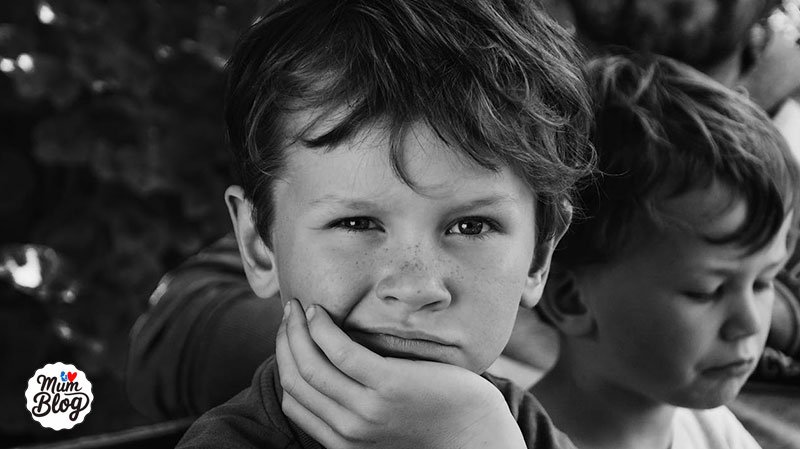
They are screaming again. Over what this time? A toy? Who sits where? Who looked at whom? Some days it feels like I have become a full-time referee in a match that never ends. If you have more than one child, you know exactly what I am talking about. The constant bickering, the competition for attention, the battles over things that make zero logical sense. So is sibling rivalry just something we have to survive, or can we actually do something about it?
Key Takeaways
Sibling rivalry is normal and even healthy — it is where children learn conflict resolution, negotiation, and how to maintain relationships through disagreement. How you respond to sibling conflict matters more than preventing it; your interventions teach them how to handle disputes for life. Comparing siblings, even positively, fuels rivalry; each child needs to feel valued for who they are, not relative to their sibling. Forced sharing often backfires; children who feel secure in their ownership become more generous naturally.
The Short Answer


Reduce sibling rivalry by avoiding comparisons, ensuring each child has individual attention, teaching conflict resolution skills rather than always intervening, and focusing on the relationship rather than fairness. You cannot eliminate conflict between siblings, but you can give them tools to navigate it themselves.
Why Siblings Fight
Siblings compete for a limited resource: parental attention and love. Even when there is plenty to go around, children are not always sure of that. From their perspective, a sibling is a rival for the most important thing in their world — you.
Add in developmental factors: young children are naturally egocentric, struggle with sharing, and have not developed impulse control or negotiation skills. Of course they fight. They are learning to be human alongside another small human who wants the same things they do.
Birth order, temperament, and age gaps all influence the dynamic. But every sibling pair experiences conflict. You did not create a problem through bad parenting. You created siblings, and siblings fight.
The Comparison Trap
Nothing fuels rivalry like comparison. Why can you not be more like your sister? Look how nicely your brother shares. You might think you are motivating improvement, but what your child hears is I am not good enough, and they are better.
Even positive comparisons cause damage. You are so much smarter than your brother does not make the smart child feel good for long — it makes them anxious about maintaining the position. And the other child learns they have been ranked as lesser.
Treat each child as an individual. Comment on their personal growth, not relative performance. You have really improved at sharing becomes the message, not You share better than your sister does.
Individual Attention Is Non-Negotiable
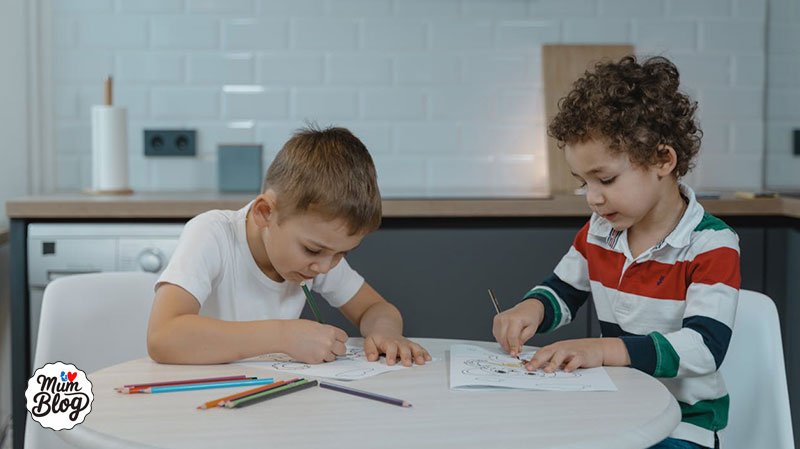
Each child needs time when they are not competing for your attention. Even fifteen minutes of focused, one-on-one time makes a difference. They get to be your only child for a moment, which fills the tank that rivalry depletes.
This does not need to be elaborate. A walk around the block while the other sibling naps. Reading together before bed while your partner handles the other child. A special errand just the two of you. What matters is their experience of having you to themselves.
In our house, I try to find moments with each child daily — even brief ones. How was your day becomes a conversation I have separately, giving each child space to share without sibling interruption or competition.
To Intervene or Not to Intervene
This is the central question of sibling rivalry management, and the answer is: it depends.
When one child is physically hurting another or the situation is escalating dangerously, intervene immediately. Safety first, always. But for lower-stakes conflicts? The more you step in, the less they learn to resolve things themselves.
Try observing before jumping in. Often children will work things out if given space. If they cannot, offer coaching rather than solutions: It sounds like you both want the red car. What could you do? Guide them toward resolution rather than imposing one.
Resist the urge to assign blame or determine who started it. That investigation rarely produces truth and always produces resentment. Instead, address the situation: You are both upset. Let us figure out what happens next. Treating them as a team responsible for the problem together often works better than judge and jury.
The Sharing Conundrum
Forced sharing often backfires. Children who feel their possessions are constantly at risk become more possessive, not less. A child who knows their special toy is truly theirs develops the security to share it voluntarily.
Consider some toys as personal property — truly theirs, never required to share. Other toys can be family toys that everyone takes turns with. This teaches that sharing is a choice and a generosity, not an obligation enforced by parents.
Teach taking turns rather than sharing on demand. Use timers for contentious items. Model waiting for your turn. And acknowledge how hard it is: Waiting is really hard. You are being so patient.
Building the Sibling Relationship
Beyond managing conflict, actively nurture the relationship. Point out positive moments: You two figured that out together. Look how your brother made you laugh. Notice when they are kind to each other and name it specifically.
Create opportunities for teamwork. Projects they complete together. Games where they are on the same team. Challenges where cooperation wins.
Share positive stories about them as a pair. Remember when you and your sister built that fort? You two are quite a team. Building identity as a unit, not just as competitors, shifts the dynamic over time.
Age-Specific Considerations
Sibling dynamics shift with development.
Toddler plus baby: Jealousy toward the new baby is normal. Give the toddler special big sibling status and roles. Protect baby’s safety while validating toddler’s feelings. Do not expect them to love the baby immediately.
Toddlers together: Constant supervision needed. Neither has impulse control or sharing skills. Parallel play often works better than interactive play at this stage. Short playtimes together, with breaks.
Preschool/early school age: Conflict increases as they are old enough to genuinely compete but still lack negotiation skills. Teach specific strategies: use words, take turns, find a grown-up if you cannot solve it. Our indoor activities guide has ideas for play that works well with multiple ages.
Bigger age gaps: Different dynamics. The older child needs private space and belongings protected from the younger. The younger child needs to not be perpetually the baby. Find activities where the age gap does not determine hierarchy.
Sibling Rivalry FAQ
My kids fight constantly. Is this normal?
Yes. Research suggests siblings between 3-7 years old have conflicts every 10-20 minutes when playing together. It is exhausting for parents but developmentally normal. Focus on teaching skills rather than eliminating conflict.
One child always seems to be the aggressor. What do I do?
Appearances can deceive — the quieter child may provoke in less visible ways. Avoid labelling one as the problem child. Look for underlying causes: is the aggressive child’s tank empty? Are they struggling with something? Address root causes, not just behaviour.
Should I make them say sorry?
Forced apologies teach nothing except that you can say words you do not mean. Instead, model genuine apologies yourself, describe the impact of their actions, and invite repair when they are ready. Sincere apologies come from understanding, not obligation.
Will they always fight like this?
Sibling relationships typically improve as children mature. Adult sibling relationships are often among the closest and longest-lasting relationships in people’s lives. The conflict of childhood does not determine the connection of adulthood. Our love language guide explores how different children receive and express love, which affects sibling dynamics too.
The Long View
I have to remind myself regularly that I am not raising children who never fight. I am raising adults who will hopefully have each other when I am gone. The relationship I am nurturing matters more than the peaceful afternoon I am trying to survive.
Every conflict they work through together is practice for life. Every time they repair after a fight, they learn that relationships survive disagreement. Every moment of genuine fun they share builds a bond that will outlast childhood.
So yes, separate them when needed. Teach them skills. Protect them from each other when necessary. But also trust the process. Siblings who fight fiercely often love fiercely too. The passion that drives the conflict may be the same passion that drives lifelong connection.
How are your kids doing with each other these days? I would love to hear what is working in your house — and commiserate about what definitely is not. We are all navigating this chaos together.
Lila.




Love your articles Lila! Do you have a newsletter? Can’t seem to find it anywhere.
Thank you so much Brooke! Nah, I don’t have any newsletter, no time for it! 😣
But follow me on Bluesky (or other), see social icons down the page! Follow me, I always post interesting stuff and new articles. 💕
We stopped forcing sharing last month and I swear my kids fight LESS. My 4yo now offers toys to her brother on her own. Mind blown. Wish I’d read this years ago.
So, something happened right? Good! 😄
The comparing thing, guilty as charged. I thought saying “why can’t you be calm like your sister” was motivating. Nope. Just made them resent each other more. Working on it now.
We’ve all been there, Lauren. The good news? Once you see it, you can’t unsee it. Progress, not perfection. 💕