Last Updated on February 5, 2026 by Lila Sjöberg
Day three of freezing temperatures. I’m staring at my children, they’re staring at me, and we’re all silently acknowledging that these walls are closing in. Winter cabin fever is no joke, is it? Whether you’re buried under snow, dealing with endless rain, or just trapped inside because it’s too cold to function — I see you. I’ve been there, climbing the walls right alongside my kids. But here’s what I’ve discovered: winter doesn’t have to be survived. It can actually be… kind of magical? Let me show you how we make it work at our house.
Key Takeaways
Winter requires more intentional activity planning than other seasons because outdoor time is limited and energy still needs outlets. Gross motor activities inside are essential — jumping, climbing, dancing — not optional extras. The most successful winter days alternate between high-energy activities and calm, cozy ones. Embracing winter’s slower pace rather than fighting it creates less stress for everyone; some days are meant for blanket forts and hot cocoa, and that’s perfectly fine.
The Short Answer




Combat winter cabin fever by rotating between active play (indoor obstacle courses, dance parties, active games), creative projects (art, building, sensory play), and cozy slow activities (baking, reading, fort building). Accept that some mess and volume are the price of keeping everyone sane when stuck inside.
The Energy Problem
Children don’t stop needing physical activity just because it’s too cold to go outside. Their bodies are built for movement, and containment breeds chaos. The bouncing off walls you’re witnessing isn’t bad behavior — it’s physical need unmet.
Before anything else, build gross motor activity into winter days deliberately. This isn’t optional enrichment. It’s survival. Without it, you’ll face escalating wildness, more sibling conflict, harder bedtimes, and your own fraying sanity.
Dance parties require nothing but music and space. Put on something with a beat — your music is fine, they don’t need kid songs — and dance hard. Jump, spin, get your heart rate up alongside them. Ten minutes of actual dancing burns surprising energy. Do it multiple times a day if needed.
Indoor obstacle courses transform furniture into gym equipment. Crawl under the table, jump over pillow mountains, balance along tape lines on the floor, do three jumping jacks at each station. Change the course every few days to maintain interest. Time them if competition motivates your kids.
Hallway bowling with plastic bottles and a soft ball. Balloon volleyball that can’t break anything. Yoga videos designed for kids. Active video games if you have them. The specific activity matters less than the movement happening regularly throughout the day.
Creative Indoor Play
When bodies have moved, minds can focus. Creative play fills winter hours while building skills and producing minimal chaos if you set up strategically.

Art projects work best when you lower expectations about the outcome and embrace process over product. Watercolors, finger paint, collage from magazine scraps, play dough sculptures — set up the materials, protect the surfaces, and let them create without directing. The activity is the point, not the result.
Building challenges engage different thinking. LEGO free builds (not following instructions), magnetic tiles, cardboard box construction, blanket forts. Give them a goal — build something taller than you, create a house for stuffed animals, construct a bridge that holds weight — and let them problem-solve.
Sensory play remains valuable beyond toddlerhood. Kinetic sand, slime, water play in the kitchen or bathroom, rice or bean bins for younger kids. The tactile experience calms many children while keeping hands busy. My indoor activities article has detailed sensory bin instructions.
The Cozy Factor
Winter asks us to slow down, and fighting that invitation makes everyone miserable. Instead of treating the slow, dark season as an obstacle, lean into what it offers — an invitation to coziness that summer doesn’t allow.
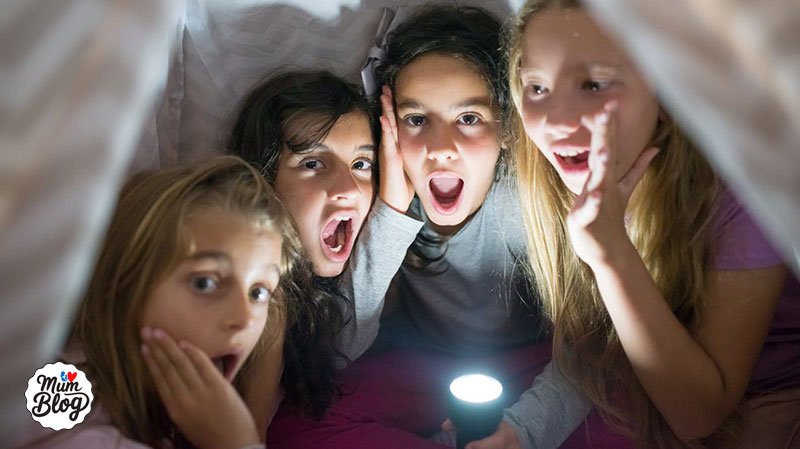
Blanket forts transform ordinary rooms into special spaces. Drape blankets over furniture, fill with pillows, add a flashlight, and suddenly your living room is an adventure. Read stories inside the fort. Have snacks there. Let it stay up for days rather than dismantling immediately.
Baking together fills the house with warmth and good smells while producing something delicious. Cookies, muffins, bread, hot cocoa from scratch — the process matters as much as the product. Toddlers can pour and stir; preschoolers can measure with help; older kids can follow simple recipes increasingly independently.
Reading marathons feel right in winter. Pile on the couch with blankets and work through a chapter book together, or let everyone read their own books in companionable silence. Library trips for fresh books become outings that get you out of the house without braving the cold for long.
Movie afternoons with actual movie atmosphere — popcorn, blankets, curtains drawn — turn screen time into an event rather than a default. Choose a movie together, make it special, and don’t feel guilty about a cozy afternoon when the wind chill is dangerous.
Getting Outside Anyway
Here’s the thing about winter: kids can actually go outside in it. We’ve become so protective that many children never learn to enjoy cold weather because they’re never in it long enough to adjust.
The gear matters. Proper layers, waterproof outer layer, warm boots, mittens (not gloves for little ones — easier to get on and warmer), and hats that actually stay put. Getting dressed takes forever. Getting undressed and dealing with wet clothes is annoying. Worth it.
Even twenty minutes outside shifts the entire day’s energy. Running in snow, catching snowflakes, making snow angels, building even a small snowman — these experiences can’t happen inside, and they create the memories that make winter magical rather than merely endured.
If your climate doesn’t bring snow, winter outside still offers exploration. Puddle jumping after rain, noticing which plants survive cold, looking for animal tracks, simply walking in the crisp air. The freshness resets everyone’s mood.
The Rhythm of Winter Days
Winter works best with predictable rhythm. When days feel samey and the light is low, structure provides comfort rather than constraint.
Something like: active play in the morning when energy is highest, creative projects before lunch, quiet time or rest after lunch, cozy activities or more active play in the afternoon depending on energy levels, early dinner in winter darkness, calm evening routine leading to earlier bedtimes that winter invites.
Build in surprises within the structure. Hot cocoa for no reason. A spontaneous dance party. A new book from the library. The predictable rhythm handles most of the day; the small surprises provide the delight that makes winter bearable.
Winter Activities FAQ
How do I handle kids who refuse to go outside in cold weather?
Start with very short trips — literally five minutes — and build up. Make sure gear is actually warm enough (they may have outgrown last year’s). Have something warm waiting when you come in. Go with them rather than sending them out alone. Sometimes resistance is about the transition, not the actual outdoor time.
We’re stuck inside because of illness, not just weather. How do we survive?
Lower expectations dramatically. Screen time increases when kids are sick — that’s appropriate. Focus on rest and comfort rather than enrichment. For the parent stuck caregiving, this is not the time for self-improvement; it’s the time for survival mode and grace.
My kids are different ages and want to do different things. How do I manage?
Some activities work across ages with modifications. Art projects scale up or down easily. Building challenges can be age-adjusted. Schedule some separate activities too — the older child does a more complex project while the younger one naps or has independent play time.
I’m losing my mind being inside this much. What about me?
Your sanity matters for everyone’s wellbeing. Build in breaks even if they’re small — quiet time for kids means rest time for you. Trade childcare with another family. Use screen time strategically to give yourself breathing room. Go outside yourself, even briefly, even in cold. And remember: winter ends. This season is temporary. Our self-care guide has quick recharge ideas.
Winter Will End
There will be a day — sooner than it feels right now — when you’ll open the door and the air will be soft. The kids will run outside and stay for hours. You’ll forget about indoor obstacle courses and blanket fort engineering and the elaborate rituals of snow gear.
Until then, you’re doing something valuable. You’re teaching your children that every season has gifts if you look for them. You’re showing them how to find coziness and creativity and connection when the world gets small and cold. You’re building memories of hot cocoa and blanket forts and kitchen dance parties.
There will be a day — sooner than it feels right now — when you’ll open the door and the air will be soft again. The kids will run outside and stay for hours. You’ll forget about indoor obstacle courses and blanket fort engineering. Until then, you’re doing something beautiful. You’re teaching your children that every season has gifts if you look for them. You’re showing them how to find warmth when the world gets cold. So light those candles, build that fort, and pour yourself something warm. You’ve got this, and spring is coming. How are you making winter work at your place? I’d love to know.
Lila.