Last Updated on January 17, 2026 by Lila Sjöberg
Before my baby arrived, I bought a lot of stuff. Registries, recommendations, must-have lists — I read them all and acquired accordingly. Now, looking back, some of those purchases were life-changing, and others sat unused until I donated them. Here’s an honest look at what actually earned its place in our daily rotation.
Key Takeaways
The items worth investing in are the ones you use multiple times daily — a quality carrier, a reliable sound machine, and a comfortable nursing setup top most parents’ lists. Expensive doesn’t always mean better, and the “must-have” items vary by family. Waiting to see what you actually need is often smarter than buying everything upfront.
The Short Answer: The things that proved most valuable were items used constantly: a good carrier, a sound machine that traveled everywhere, and a nursing pillow. The items that gathered dust were usually things marketed as essential that didn’t fit our particular baby or lifestyle.
Let me share what genuinely made my life easier — and why.
The Carrier That Changed Everything
I didn’t expect to become a babywearing convert, but here we are. The right baby carrier gave me my hands back while keeping my baby content. I cooked dinner, went for walks, attended events, and survived fussy evenings with baby strapped to my chest.
I tried three carriers before finding one that fit my body comfortably. The first was too bulky; the second hurt my shoulders; the third was perfect. The lesson: don’t commit to one carrier without trying options if possible. Our carrier guide compares different styles. What works for your friend might not work for you.
For me, a structured carrier with good lumbar support was the winner. I used it almost daily for the first year. Worth every penny and then some — the cost-per-use was basically nothing by the end.
Our on-the-go gear guide covers different carrier styles to help you find your match.
The Sound Machine We Brought Everywhere
White noise became our sleep secret weapon. At home, it masked household sounds and cued sleep time. Traveling, it provided familiar audio in unfamiliar places. During fussy moments, it calmed baby when nothing else worked.
I bought a portable, rechargeable version (version below available on Amazon) specifically so it could come with us — to grandparents’ houses, hotels, even the car. The portability proved essential. A sound machine that only works in the nursery limits its usefulness.

The specific brand matters less than getting one that’s actually portable, has good battery life, and has sounds your baby responds to. Some babies prefer static white noise; others like heartbeat or nature sounds. We went through some trial and error before finding what worked.
The Nursing Pillow I Used Until It Wore Out
Early breastfeeding is physically demanding. A nursing pillow that properly supported both baby and my arms made the difference between feeds that exhausted me and feeds that felt manageable.
I initially thought I could just use regular pillows. I couldn’t. Regular pillows slipped, required constant adjustment, and didn’t provide consistent height. The nursing pillow stayed put, brought baby to the right level, and reduced the strain on my back and arms significantly.
I used mine multiple times daily for almost a year. It also worked for bottle feeding, propping baby for tummy time, and as a sitting support as baby grew. Multi-use items always earn their keep.
The Play Mat That Grew With Us
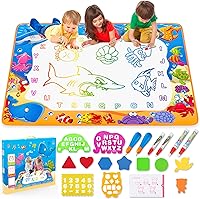
A good play mat or activity gym provided a safe, engaging space for baby from early weeks through crawling age. I could put baby down on something clean and stimulating while I showered, cooked, or just took a breath.
The key was choosing one with removable arches and toys. As baby grew, the setup changed — first looking at the dangling toys, then batting at them, then playing on the mat without the arches entirely. Adaptability extended its useful life significantly.
I didn’t buy the most expensive option, and that was fine (less than $40 from what I remember). Babies don’t need elaborate features or a hundred attachments. Simple, quality construction with a few engaging elements does the job.
The Bassinet for Those First Months
Having baby sleep near our bed made night feeds so much easier. Rolling over, feeding, and putting baby back down without fully waking myself preserved what little sleep I got.
I chose a bassinet that was portable and had a rocking feature. We moved it between rooms during the day and kept it bedside at night. The small footprint fit our space better than a full crib would have.
Baby outgrew the bassinet around four months, right when we were ready to transition to the nursery anyway. It served its purpose perfectly for that newborn window when proximity matters most.
What I Thought I’d Use But Didn’t
Not everything proved valuable. The wipe warmer seemed like a good idea but was more hassle than benefit — we just started with room temperature wipes and baby never knew the difference.
The elaborate bottle sterilizer collected dust once I learned that thorough washing with hot soapy water was sufficient for healthy, full-term babies. The sterilizer was bulky, took up counter space, and the microwave method worked just as well on the rare occasions I felt sterilizing was needed.
The beautiful nursery rocker that looked perfect in photos wasn’t actually comfortable for long feeding sessions. I ended up using the old recliner from the living room because it had better back support. Aesthetics matter less than functionality at 3 AM.
Frequently Asked Questions
What’s the one item you’d recommend most?
A quality baby carrier. The ability to have hands free while keeping baby content unlocks so much of normal life during those early months. Everything else can be improvised or delayed, but a good carrier makes daily life dramatically easier.
Do I need to buy everything before baby arrives?
Definitely not. Have the basics — a place to sleep, a car seat, some diapers and feeding supplies. Our complete newborn essentials checklist covers everything. Everything else can wait until you know what you actually need. Babies don’t care about complete nursery setups, and your needs will become clear quickly.
Are expensive brands always better?
Not necessarily. Some pricey items justified their cost through quality and longevity; others were no better than budget alternatives. Research reviews, borrow from friends when possible, and don’t assume price equals value. Sometimes the mid-range option is the sweet spot.
What about secondhand items?
Many baby items work perfectly well secondhand — clothes, swings, play mats, bouncers. The exceptions are car seats (unless you know the complete history) and cribs (which should meet current safety standards). Secondhand saved us significant money on items babies outgrow quickly.
How do I know what my baby will actually need?
You won’t until they arrive. Every baby is different — some love swings while others hate them, some take pacifiers while others refuse, some sleep anywhere while others need perfect conditions. Start minimal and add based on what your actual baby needs.
The things that made the biggest difference in my daily life weren’t the most hyped or most expensive. They were the practical items I reached for constantly — things that solved real problems and held up to heavy use. Your winners might be different than mine, but the principle holds: invest in what you’ll use, and don’t sweat the rest.
Trust the process. You’ll figure out what works for your family.
Lila.