Last Updated on January 21, 2026 by Lila Sjöberg
I never thought I’d become the kind of parent who hides spinach in brownies, but here we are. Desperation breeds creativity, and after watching my toddler methodically pick every microscopic fleck of green out of her pasta sauce — forensic-level detection skills, truly impressive — I decided if I couldn’t beat ’em, I’d outsmart ’em.
If your child treats vegetables like kryptonite, you’re not alone. And while the long-term goal is raising kids who willingly eat their greens (it can happen, I promise), sometimes you just need to get some nutrients in while you work on that bigger picture.
Key Takeaways
Hiding vegetables is a valid short-term strategy for nutrition while you work on the long-term goal of vegetable acceptance. Smoothies, sauces, baked goods, and soups are the easiest vehicles for undetectable veggies. You should still offer visible vegetables alongside hidden ones — kids need exposure to accept them eventually. Mild vegetables like spinach, cauliflower, and zucchini hide best; stronger flavors like broccoli are harder to disguise. No guilt about sneaking veggies — you’re being a resourceful parent, not a deceptive one.
The Short Answer: Sneak vegetables into smoothies, pasta sauces, muffins, pancakes, soups, and mac and cheese using mild-flavored options like spinach, cauliflower, and zucchini. Blend thoroughly, start with small amounts, and pair with flavors kids already love. Continue offering visible veggies too — hiding is a bridge, not a permanent solution.
Let’s get into the specifics of veggie espionage. 😄
The Best Vegetables for Hiding





Not all vegetables are created equal when it comes to stealth operations. Your best bets are mild-flavored veggies that blend smoothly and don’t dramatically change the color or taste of whatever you’re adding them to.
Spinach is the MVP of hidden vegetables. It has almost no flavor when blended, disappears into smoothies and sauces, and packs serious nutritional punch. A handful in a berry smoothie? Completely undetectable. In pasta sauce? Invisible once blended.
Cauliflower is another stealth champion. Steamed and pureed, it becomes creamy and neutral, perfect for mixing into mac and cheese, mashed potatoes, or alfredo sauce. It takes on the flavor of whatever it’s mixed with.
Zucchini is surprisingly versatile. Grated fine, it disappears into baked goods, pancakes, and meatballs. It adds moisture without adding flavor. Just squeeze out excess water first for baked goods.
Sweet potato and butternut squash add sweetness along with nutrients. They work well in pancakes, muffins, and smoothies. The orange color can be explained away as “that’s just how this recipe looks.”
Carrots blend into tomato-based sauces beautifully — the colors are similar enough that kids don’t notice. They also work in baked goods, adding subtle sweetness.
Smoothie Secrets
Smoothies are the easiest hiding spot. The fruit flavor dominates, the texture is expected to be blended, and kids don’t question what’s in their special drink.
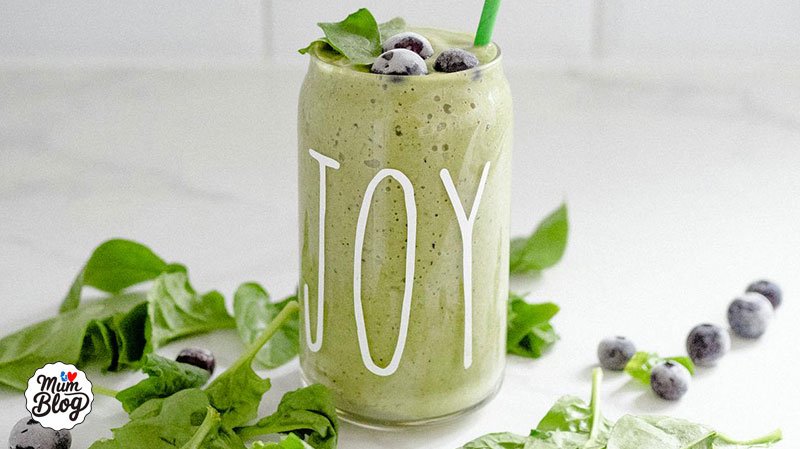
The formula: strong-flavored fruit (berries, banana, mango) plus mild veggie (spinach, cauliflower, zucchini) plus liquid (milk, yogurt, juice) plus optional extras (nut butter, oats, honey for over-1s). Blend until completely smooth — any leafy chunks will blow your cover.
Start with a small amount of veggies and increase gradually as you figure out how much you can add before the color or taste becomes suspicious. A green smoothie can be sold as “Hulk juice” or “dinosaur drink” if you make it fun!
Pro tip: frozen spinach or cauliflower rice blends smoother than fresh and keeps things cold without watering down with too much ice.

Sauce Operations 007
Pasta sauce is prime territory for hidden vegetables. Tomatoes are already a strong flavor that masks additions, and the sauce texture can hide a lot of pureed veggies.
What works: spinach, carrots, zucchini, butternut squash, red bell pepper, and cauliflower all blend into tomato sauce beautifully. Steam or roast the veggies until soft, then blend with your sauce until completely smooth. Start with small amounts — maybe a quarter of the sauce volume — and adjust.
Alfredo and cheese sauces hide cauliflower brilliantly. Steam cauliflower florets until very soft, blend until creamy, and mix into the cheese sauce. It adds creaminess while diluting some of the heaviness. Your kid gets vegetables; you get to feel slightly less guilty about the third mac and cheese dinner this week.
For store-bought sauce in a hurry, blend in some baby food vegetable puree. It sounds ridiculous, but those little jars are already perfectly smooth and mild.
Baked Goods Infiltration
Muffins, pancakes, and quick breads can carry surprising amounts of hidden vegetables. The sweetness and familiar format distract from any veggie presence.
Zucchini disappears into muffins and bread — grate it finely and squeeze out excess moisture. A cup of grated zucchini in banana bread? Undetectable. In chocolate muffins? Completely invisible. The moisture makes baked goods tender while adding fiber and nutrients.
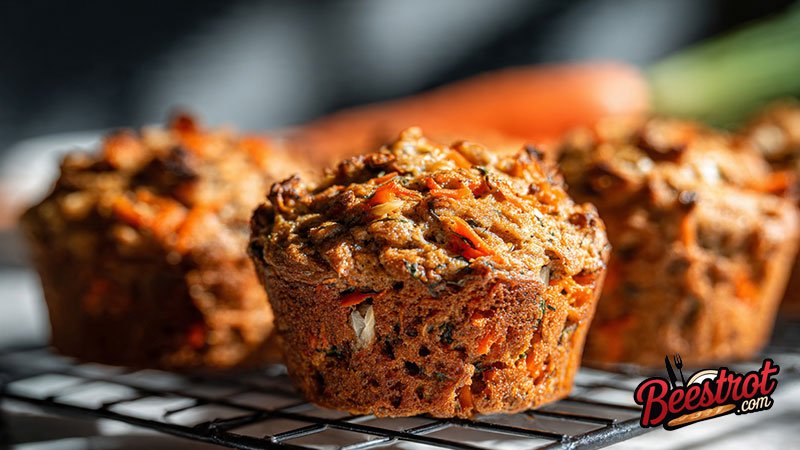
Check this simple and great muffin recipe with 12 variations, adopted! 😊
Sweet potato puree works in pancakes and waffles. Add a few tablespoons to your regular batter for orange-tinted but normal-tasting results. Butternut squash works the same way.
Spinach in chocolate baked goods sounds wrong but works. The chocolate completely masks the flavor, and the color just looks like rich chocolate. Brownies with hidden spinach are a real thing, and they taste like regular brownies.
Our toddler meal ideas include some of these veggie-hiding recipes if you want specifics.
Other Hiding Spots
Soup is naturally blended, so pureed vegetables fit right in. Tomato soup, butternut squash soup, even chicken noodle soup can carry hidden vegetable purees without changing the expected taste.
Meatballs and meat sauce hide finely grated or pureed veggies well. Zucchini, carrots, and spinach all work. The meat flavor dominates, and the texture is already variable enough that small additions go unnoticed.
Dips like hummus can include pureed roasted red pepper, beet (for “pink hummus”), or spinach without dramatically changing the taste kids expect. Serve with their favorite dippers.
Pizza sauce follows the same rules as pasta sauce! Good to know right? — blend those veggies right in. Cauliflower pizza crust is a step further if your kid will accept it, but hidden-veggie sauce on regular crust is the easier win.
The Visible Vegetable Strategy
Here’s the thing: hiding vegetables shouldn’t be your only strategy. The end goal is kids who eat vegetables knowingly and willingly. If they never see vegetables in their actual form, they don’t learn to accept them.
So do both. Hide veggies for nutritional insurance while also offering small portions of visible vegetables at meals. No pressure, no battles — just exposure. Over time, familiarity reduces suspicion. The hidden veggies keep you sane while the visible veggies do the teaching.
Our guide on handling picky eaters covers the longer-term approach to food acceptance.
Frequently Asked Questions
Is it bad to hide vegetables? Am I being deceptive?
No and no. You’re being a resourceful parent ensuring your child gets nutrition while their palate develops. This is harm reduction, not deception. Continue offering visible veggies too, and they’ll eventually learn to eat them openly.
What if my kid finds out and feels tricked?
Frame it positively: “I put extra good stuff in there to help you grow strong!” Older kids can even help with the hiding — making it a fun game rather than a secret. Transparency about ingredients (in an age-appropriate way) builds food literacy.
How much hidden vegetable is too much?
Start small — a tablespoon or two — and increase gradually. Too much can change taste or texture enough to trigger suspicion. If they reject something they previously liked, you probably went too far too fast. Scale back and try again.
My kid has texture sensitivities. Will this work?
Possibly, if you blend very thoroughly. Texture-sensitive kids often do better with hidden veggies than visible ones because the texture is already familiar (smoothie, sauce, muffin). Strain sauces through a fine mesh if needed to eliminate any bits.
Resourceful, Not Sneaky
You’re not a bad parent for pureeing spinach into brownies! 😅 You’re a clever, dedicated parent working with the reality of feeding small humans who are biologically programmed to be suspicious of green things.
Hide the veggies. Serve visible veggies too. Lower the pressure. Trust the process. And on days when the only vegetable they eat is hidden in a muffin? That counts. That absolutely counts!
You’re doing great, keep hiding veggies.
Lila.