Last Updated on July 8, 2026 by Lila Sjöberg

Nothing quite matches the disappointment of unpacking your kid’s lunchbox at the end of the day to find everything you lovingly prepared sitting there uneaten. Or worse — squished, slightly warm, and still uneaten. You got up early. You carefully assembled balanced nutrition. And they ate exactly three bites of bread and all the fruit snacks.
Packing school lunches that actually get eaten requires strategy, not just hope. It’s a mix of knowing your specific kid’s quirks, working within the practical limitations of a lunchbox, and accepting that school eating is a different animal than home eating. Let’s figure this out.
Key Takeaways
Kids eat better at school when lunches contain mostly familiar foods they already like at home — lunch isn’t the time for food experiments. Temperature and texture matter; some foods get soggy or weird after hours in a lunchbox. Including your child in planning and packing dramatically increases the chances they’ll actually eat what’s packed. A lunch that’s 80% nutritious is better than a 100% nutritious lunch that comes home untouched. Variety across the week matters more than variety in each individual lunch.
The Short Answer: Pack lunches kids will eat by including mostly familiar favorites, keeping portions small, using containers that maintain food quality, and involving kids in choosing what goes in. Aim for good-enough nutrition most days rather than perfect lunches that return uneaten.
Let’s pack some lunches that actually disappear.
The School Eating Reality


Eating at school is nothing like eating at home. Kids have limited time, distractions everywhere, social pressure about what’s “cool” to eat, no microwave access usually, and the independence to simply… not eat if they don’t want to. All the things that work at home (supervision, gentle encouragement, reheating) don’t exist in the cafeteria.
This means school lunch strategy is different. Familiar over adventurous. Easy to eat over requiring utensils or complicated assembly. Small portions over overwhelming amounts. Foods that hold up for hours in a lunchbox over things that get weird.
Accept that your child might eat differently at school than at home. A kid who eats everything at dinner might be too distracted or rushed or self-conscious to eat much at lunch. That’s normal. Work with the reality, not against it.
Know Your Specific Kid
General lunch advice only goes so far. What works for one kid fails for another. Pay attention to what your specific child actually eats (versus what you wish they’d eat) and pack accordingly.
Notice patterns from what comes home. If sandwiches always return with one bite missing, maybe sandwiches aren’t the answer. If veggies never get touched, try different forms or accept that lunch might not be veggie time. If they devour certain things, include those reliably.
Ask them directly, especially older kids. What do they actually eat? What do their friends bring? What’s embarrassing to have? (This is real — some kids won’t eat certain things at school because of peer perception.) Their input is valuable data.
School lunch preferences change over time. What worked in kindergarten might not work in third grade. Stay flexible and keep observing.
The Formula for a Balanced-Enough Lunch
Perfect nutrition in every lunch is a recipe for frustration. Aim for balanced enough: something from most food groups, reasonable variety across the week, and realistic about what they’ll actually eat.
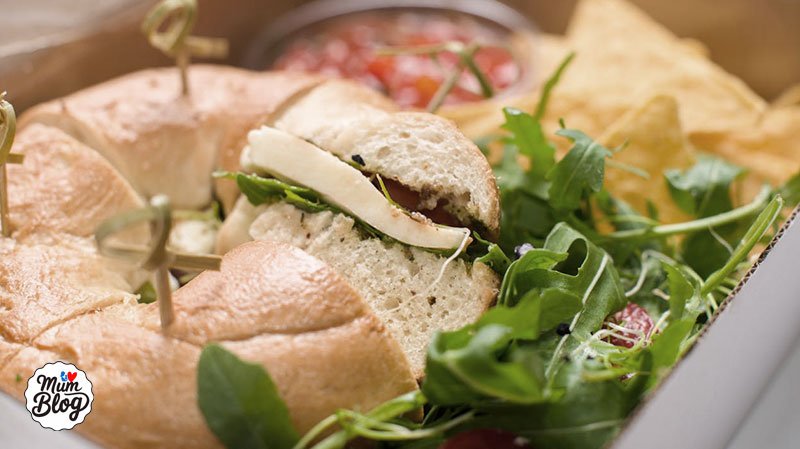
A basic formula: one protein, one carb, one fruit or veggie, and a small treat. That’s it. Some days you nail it; other days it’s cheese crackers and applesauce and you call it a win. The protein provides staying power, the carb provides energy, the produce provides nutrients, the treat provides joy and normalcy. All components matter.
Examples: sandwich + cucumber slices + grapes + small cookie. Cheese and crackers + deli meat + apple slices + chocolate chips. Pasta salad with veggies + cheese stick + berries. Thermos of soup + bread + fruit + yogurt. Keep it simple.
Our toddler meal ideas work great for lunchboxes too, and our family-friendly recipes often have lunchbox-friendly leftovers.
Foods That Travel Well
Not all foods survive the journey from kitchen to cafeteria. Some get soggy, some get warm, some just look unappetizing after sitting. Choose foods that hold up.
Good travelers: crackers, pretzels, dry cereal, cut raw veggies (carrots, cucumbers, peppers), sturdy fruits (apples, grapes, berries), cheese cubes or sticks, deli meat rolled up, hard-boiled eggs, pasta salad, muffins, energy balls, dry sandwiches on sturdy bread.
Bad travelers: sandwiches with wet ingredients (they get soggy), bananas (they bruise and brown), dressed salads (they wilt), anything that needs to be hot to taste good (gets lukewarm and sad), crackers packed with wet dip (they soften).
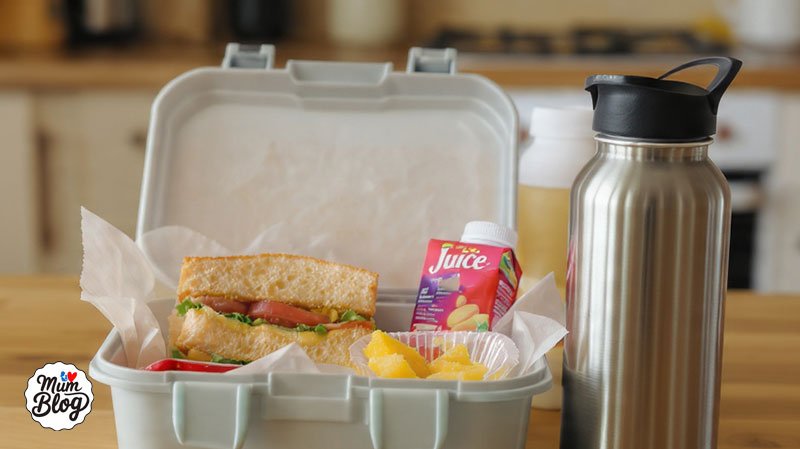
Temperature solutions: an insulated lunchbox with an ice pack keeps things cool; a good thermos keeps things hot. Investing in quality containers makes a real difference in food condition at lunchtime.
The Involvement Factor
Kids who help plan and pack their lunches eat more of them. This isn’t a guarantee, but it dramatically improves odds. Involvement creates ownership and ensures the lunch contains things they actually want.
For younger kids, offer limited choices: “Do you want turkey or ham in your sandwich?” “Apples or grapes?” They feel empowered without overwhelming decision-making. Let them place items in the lunchbox even if you prepped everything.
For older kids, more autonomy works: have a designated lunch shelf or drawer in the fridge with approved options; let them assemble their own lunch (with guidance as needed). Some families do weekly lunch planning together on Sunday.
Yes, involvement takes more time than just packing it yourself. But a lunch they packed that gets eaten is better than a lunch you packed that comes home untouched.
Dealing with Picky Eaters
If your child eats a limited range of foods at home, school lunches will be even more limited. That’s okay. Pack what they’ll actually eat, even if it feels repetitive or imperfect.
A kid who eats the same lunch every day for a month is still eating. That’s the baseline goal. You can work on food variety at home where conditions are more supportive. School lunch isn’t the hill to die on for food expansion.
Include one “safe” food they reliably eat and one “maybe” food for exposure. If the maybe food comes home untouched, don’t make a big deal. Low pressure, consistent exposure — same principles as feeding at home.
If pickiness is really limiting options, our guides on breaking food ruts and handling picky eaters have broader strategies that support lunchbox expansion over time.
Making Mornings Easier
School mornings are chaos. Anything you can do the night before or on weekends reduces the morning scramble.
Prep components on Sunday: wash and cut veggies, portion snacks into containers, hard-boil eggs, make muffins or energy balls. Store in grab-and-go containers. Morning assembly becomes just putting pieces together.
The night before: pack everything that doesn’t need to be refrigerated. Set out containers and the lunchbox. Make sandwiches if they hold up overnight, or at least have ingredients prepped.
Morning itself: add cold items, close the box, done. Under five minutes is the goal. If mornings are still too chaotic, recruit kids to pack their own lunches the night before or in the morning while you handle other tasks.
Batch cooking strategies from our batch cooking guide apply to lunch prep too — cook extra at dinner and tomorrow’s lunch is sorted.
When Lunch Comes Home Uneaten
It will happen. Sometimes frequently. How you respond matters.
Don’t take it personally. Many factors affect school eating — time, distraction, social dynamics, mood, whether they had a big breakfast. It’s not necessarily a rejection of your efforts.
Gather information calmly. “I noticed your sandwich came back — what happened at lunch?” Maybe they didn’t have time. Maybe they weren’t hungry. Maybe someone said something about their food. The reason informs the solution.
Adjust based on patterns. If the same food keeps returning, try a different food. If everything returns, maybe portions are too big or they need more time to eat. If they claim they had no time, talk to the teacher about lunch duration.
Don’t withhold snacks or dinner as punishment for not eating lunch. That creates power struggles and anxiety around food. Just gather data and adjust.
Frequently Asked Questions
My kid says they have no time to eat. What can I do?
This is common — school lunches are often 15-20 minutes including getting settled. Pack easy-to-eat foods requiring minimal effort. Consider talking to the teacher or school about lunch duration. Some kids do better with a larger snack before or after school to compensate.
How do I handle lunch with food allergies at school?
Inform the school of allergies and ensure they have an action plan. Teach your child about their allergies age-appropriately. Pack safe foods and clearly label the lunchbox if needed. Many schools have allergy-aware policies; work with them.
My kid wants to buy school lunch every day. Should I let them?
Depends on your values, budget, and the quality of school lunch at your school. Some families do all bought, some all packed, some a mix. Buying lunch isn’t a failure, and school lunches have improved nutritionally in many places. Do what works.
How do I pack lunch without single-use plastic?
Reusable containers, silicone bags, beeswax wraps, and a good lunchbox system eliminate most waste. Initial investment pays off quickly. Just make sure containers are labeled and your kid can open them independently.
Good Enough Is Good Enough
The perfect Instagram bento box with elaborate food art isn’t the goal. The goal is a lunch that fuels your kid’s afternoon, gets mostly eaten, and doesn’t drive you crazy to prepare. That might look like the same ham sandwich every day for a month. That’s fine!
Pack with love, but also with realism. Know your kid, keep it simple, and let go of the pressure to make each lunch a nutritional masterpiece. Across the week, across the year, it balances out.
And on the days the entire lunch comes home untouched? At least you tried. There’s always tomorrow.
Happy packing, mama.
Lila.