Last Updated on January 23, 2026 by Lila Sjöberg
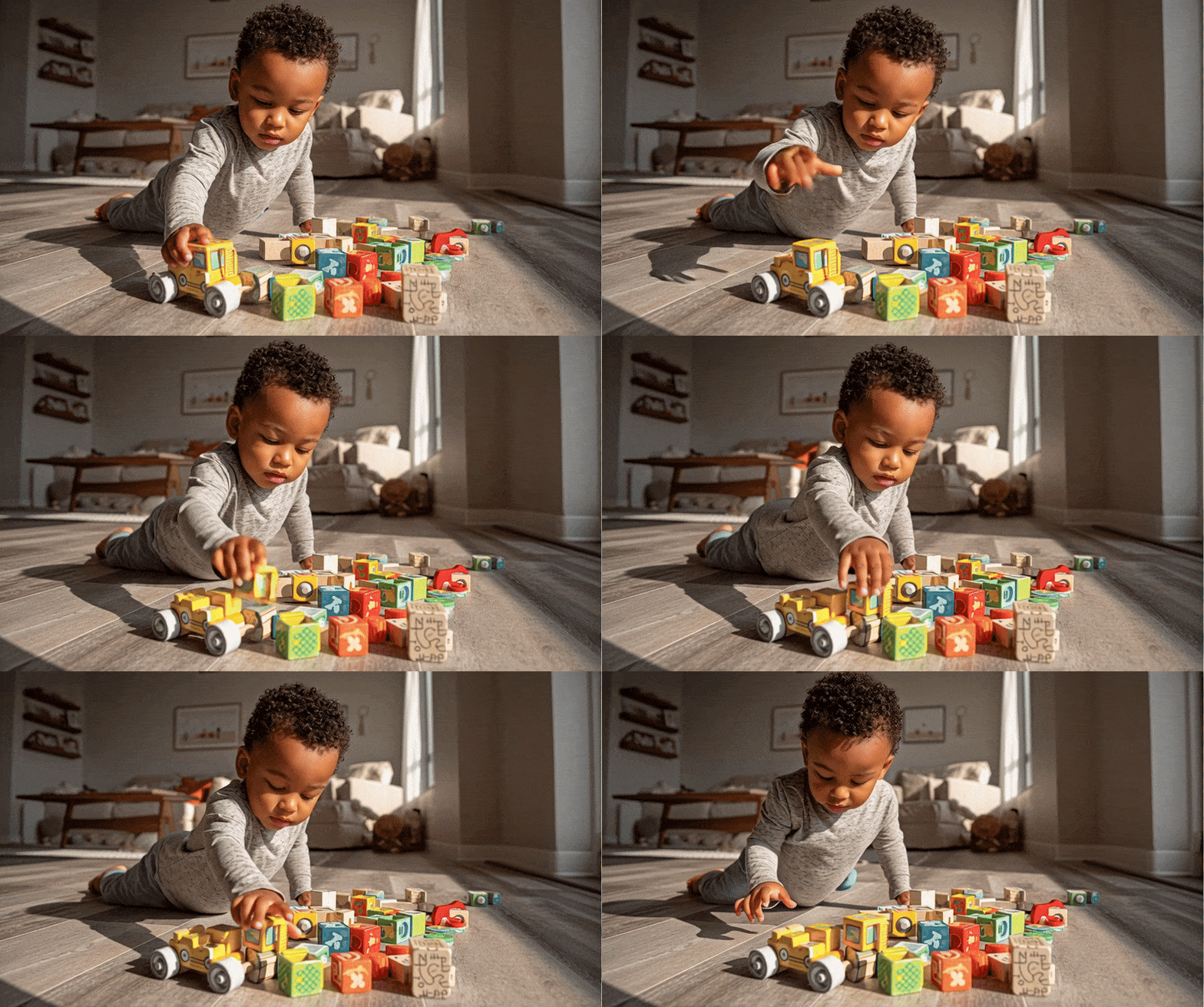
Every time your toddler sorts their cars by color, stacks blocks until they tumble, or asks why for the forty-seventh time, they’re learning. Real learning doesn’t look like worksheets and flashcards for young children — it looks like play. Here’s how to support genuine learning at every age without turning your home into a preschool classroom.
Key Takeaways
Play is how young children learn best — it’s not a break from learning but the primary vehicle for cognitive, social, and emotional development. The best learning opportunities are embedded in everyday moments: cooking, walks, bath time, grocery shopping. Children learn academic concepts more effectively through hands-on exploration than through drill and practice at young ages. Following your child’s interests leads to deeper engagement than forcing topics that don’t resonate. Your role is to provide opportunities, ask questions, and engage alongside them — not to teach like a formal instructor.
The Short Answer
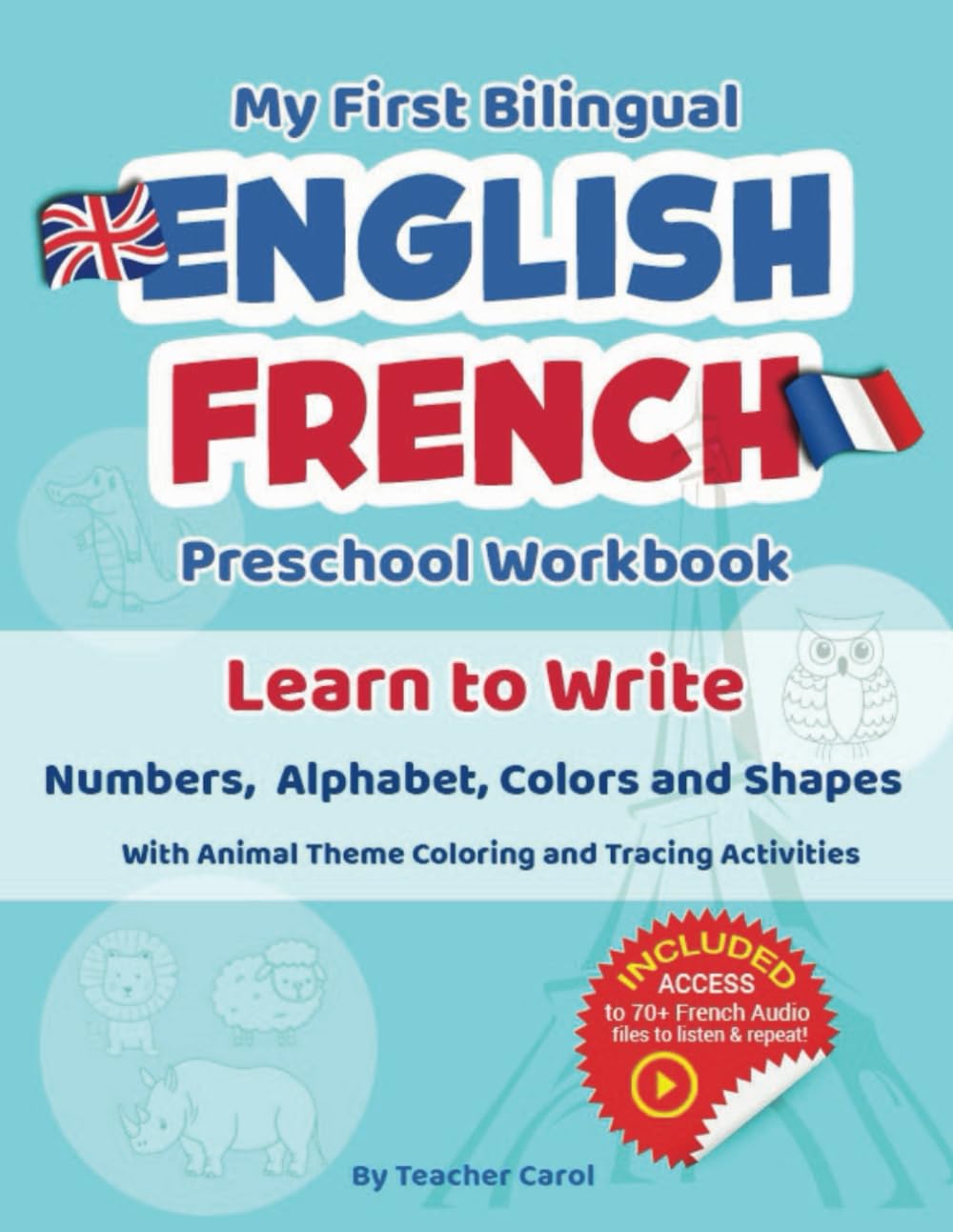
Learning through play means embedding educational concepts in activities children naturally enjoy, following their lead on topics, and providing rich experiences rather than formal instruction. Every age has appropriate ways to build literacy, math, science, and social-emotional skills through play.
Why Play-Based Learning Works
When children play, their brains are highly active. They’re problem-solving, creating, predicting, testing, and adapting. This kind of active engagement creates stronger neural pathways than passive reception of information. Research consistently shows that young children who learn through play develop better self-regulation, stronger executive function, and ultimately perform better academically than those drilled on academics early.
Play-based learning isn’t the absence of teaching. It’s teaching embedded in meaningful contexts where children are motivated and engaged. You’re not choosing between play and learning — you’re recognizing that play is learning.
Learning Through Play: Birth to 18 Months
Babies learn through sensory exploration and relationships. Everything is new, so everything is a learning opportunity.
Language and literacy: Talk constantly. Narrate your day, describe what you see, name objects as you hand them over. Read board books daily — let them chew on them, turn pages, point at pictures. Sing songs and nursery rhymes. This builds vocabulary and the rhythm of language.
Early math: Count toes during diaper changes. Stack blocks and watch them fall. Compare sizes — big cup, little cup. Fill and dump containers. These build early concepts of quantity, size comparison, and spatial relationships.
Science exploration: Water play (warm vs. cold, pouring, splashing). Cause and effect toys — push the button, see what happens. Textures to touch and explore. Mirrors for self-recognition. Babies are natural scientists, testing hypotheses constantly.
Social-emotional: Responsive caregiving — when they cry, you respond. Peek-a-boo teaches object permanence and builds connection. Simple turn-taking games. Naming emotions as they experience them: You’re frustrated! That block fell down.
Learning Through Play: 18 Months to 3 Years
Toddlers are in constant motion, learning through doing. They need hands-on everything.
Language and literacy: Expand conversations — if they say dog, you say Yes! A big brown dog! Ask open-ended questions: What do you think happens next? Regular library visits for new books. Pretend play conversations develop narrative skills.
Early math: Count everything — stairs, crackers, toys during cleanup. Sort objects by color, size, or type. Simple puzzles. Cooking together: measuring, pouring, counting ingredients. Building with blocks teaches spatial relationships and early engineering.
Science exploration: Nature walks noticing bugs, leaves, weather. Simple experiments: what sinks, what floats? Sensory bins with different materials. Planting seeds and watching them grow. Why questions deserve real answers, simplified for their level.
Social-emotional: Pretend play with dolls or figures — practice social scenarios. Name and validate emotions constantly. Simple choices: Do you want the red cup or the blue cup? Cooperative games before competitive ones. Our indoor activities guide has more ideas for this age.
Learning Through Play: 3 to 5 Years
Preschoolers are ready for more complex thinking but still learn best through play. This is not the time for worksheets.
Language and literacy: Longer, more complex books with storylines. Let them read to you from memory or pictures. Play word games in the car. Point out environmental print — signs, labels, logos. Write their dictated stories. Sound games: What rhymes with cat? Letter play when they show interest, not forced.
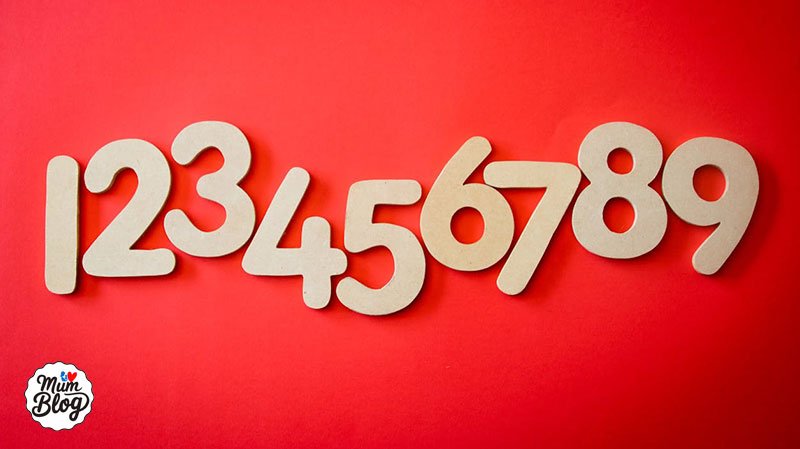
Math concepts: Board games with counting, turn-taking, and simple strategy. Pattern recognition with beads, blocks, or stickers. Measuring during cooking — comparing cups, counting scoops. Time concepts: After lunch, before bed. Money play at pretend stores. Grouping and sorting activities.
Science exploration: Predictions and experiments: What do you think will happen if…? Nature journals — drawing what they observe. Collections: rocks, leaves, shells. Building challenges: make a bridge, construct a tower. Cooking chemistry: mixing, heating, freezing. Weather tracking and discussion.
Social-emotional: Cooperative games where everyone wins or loses together. Role-playing social situations. Problem-solving conflicts with guidance. Discussing emotions in books: How do you think she felt? Identifying emotions in themselves and others.
Learning Through Play: 5 to 8 Years
School-age children still benefit enormously from play-based learning at home, complementing more structured school experiences.
Language and literacy: Read-alouds at a higher level than they can read themselves. Audiobooks and podcasts. Writing for real purposes: letters to grandparents, stories to share, journals. Word games: Scrabble Jr, Boggle, word-building. Comic books and graphic novels absolutely count as reading.
Math concepts: Strategy games that involve calculation: Monopoly Junior, Yahtzee, chess. Cooking with fractions: half a cup, double the recipe. Time management: How long until…? Budgeting allowance. Building projects with measurement. Card games requiring mental math.
Science exploration: More complex experiments with variables. Coding toys and beginning programming. Nature field guides for identification. Science kits used together (not alone). I wonder questions investigated together. Watching documentaries and discussing. Our developmental toys guide covers materials that support STEM learning.
Social-emotional: Team activities and group games. Negotiating rules with friends. Losing gracefully — games where this is practiced. Discussions about ethical dilemmas in stories. Responsibility for real tasks that affect the family. Conflict resolution with decreasing adult intervention.
Embedding Learning in Everyday Life
You don’t need dedicated learning time. Opportunities exist throughout the day:
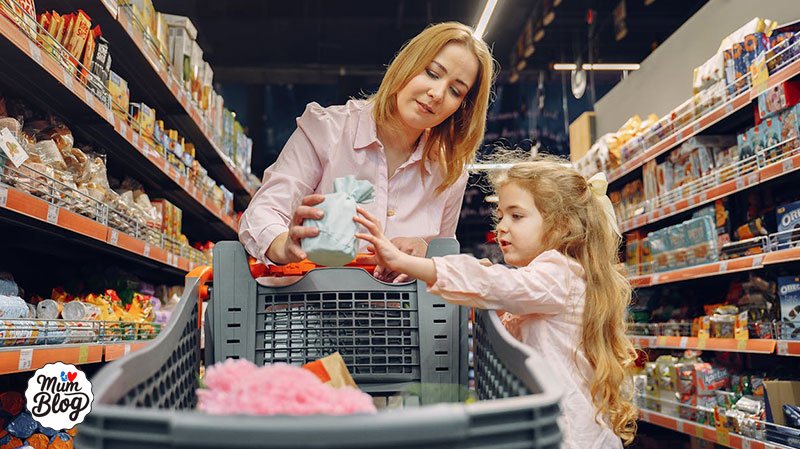
Grocery store: Counting items, comparing prices, reading labels, making choices, categorizing food groups.
Cooking: Measuring, fractions, following sequences, cause and effect, sensory exploration, safety discussions.
Driving: Alphabet games, counting games, observation challenges (find something red), discussing where you’re going and how to get there.
Bath time: Volume exploration, floating/sinking experiments, body part naming, temperature discussion.
Cleanup time: Sorting, categorizing, counting, following multi-step directions.
Outside time: Nature observation, physical skills, weather discussion, insect and plant identification.
Learning Through Play FAQ
My child’s preschool uses worksheets. Should I supplement with more at home?
No. If anything, balance worksheets at school with play-based learning at home. Young children don’t need more drill and practice — they need hands-on experiences that build deeper understanding. Trust the research: play-based learning leads to better long-term outcomes.
How do I know if my child is learning enough through play?
Are they curious? Asking questions? Engaged in activities? Developing new skills over time? That’s learning. Resist the urge to test or quiz — observe their play, and you’ll see learning happening constantly.
My child only wants to play the same thing repeatedly. Is that okay?
Repetition is how young children master skills. They’re not stuck — they’re consolidating learning. You can introduce small variations (What if we added this?) but let them lead. When they’re ready to move on, they will.
What about screen-based educational apps?
Some apps are better than others, but none replace hands-on learning for young children. If using screens, choose interactive apps over passive viewing, limit time, and engage alongside them when possible. Screens are one tool, not the primary learning method.
Other parents seem to be doing more formal academics. Am I falling behind?
Research consistently shows that early academic drilling doesn’t produce long-term advantages and may create disadvantages (reduced motivation, increased anxiety). Children who learn through play catch up and often surpass peers on academic measures by third grade, while maintaining curiosity and love of learning. Trust the process.
Your Role: Facilitator, Not Teacher
You don’t need to teach young children in a formal sense. Your role is to provide opportunities: materials, experiences, time, and your engaged presence. Ask questions rather than giving answers. Wonder aloud alongside them. Follow their lead and extend their interests.
When your child spends forty-five minutes building a block tower, watching it fall, and rebuilding, they’re learning physics, persistence, spatial reasoning, and problem-solving. When they spend an hour pretending to be a veterinarian with stuffed animals, they’re developing language, empathy, and narrative thinking. When they dig in the mud looking for bugs, they’re doing science!
Learning through play isn’t a break from education. It is education — the kind that builds lifelong learners who are curious, creative, and capable. Your home doesn’t need to look like a classroom. It needs to look like a place where play is valued, questions are welcomed, and exploration is encouraged. That’s where real learning happens.
Lila.