Last Updated on July 19, 2026 by Lila Sjöberg

I’ll be honest with you — by day four of summer break, I was already questioning my life choices. The kids were bouncing off walls, I’d run out of ideas, and someone had already declared they were bored approximately forty-seven times. Sound familiar? Here’s what I’ve figured out after a few summers in the trenches: you don’t need elaborate plans or expensive camps. You need a sprinkler, some popsicles, and the willingness to let the days unfold a little messily. Ready to make this summer actually enjoyable — for everyone, including you?
Key Takeaways
Boredom is not an emergency you need to solve immediately — it often leads to creativity if you resist the urge to rescue kids from it. Water is your summer secret weapon; add it to almost any activity and engagement increases dramatically. A loose routine prevents the chaos of completely unstructured days while still allowing summer freedom. The activities kids remember aren’t usually the elaborate planned ones — they’re the spontaneous backyard adventures and lazy afternoons that felt special because you were present.
The Short Answer


The best summer activities combine water play, outdoor time, creative projects, and plenty of unstructured free play. Build a loose daily rhythm rather than a rigid schedule, embrace mess and boredom as features rather than problems, and remember that your presence matters more than your Pinterest board.
The Boredom Question
Every parent dreads it: that whiny declaration of having nothing to do, delivered while surrounded by toys, books, and a yard full of possibilities. Here’s the counterintuitive truth — boredom is actually good for kids, and solving it immediately does them no favors.
When children sit with boredom briefly, their brains start generating solutions. They notice the cardboard box in the corner. They remember the half-finished project in their room. They invent games with the dog or finally pick up that book. Rushing in with entertainment every time they’re unstimulated trains them to need external input constantly.
This doesn’t mean abandoning them to figure out three months alone. It means not panicking at the first declaration of boredom. Offer a couple of options, then let them sit with the discomfort briefly. Usually, something emerges. The magic of summer includes learning to entertain yourself.
Water Play in Every Form
If summer has one secret weapon, it’s water. The combination of heat and water creates conditions where kids will happily play for hours with minimal adult entertainment required.
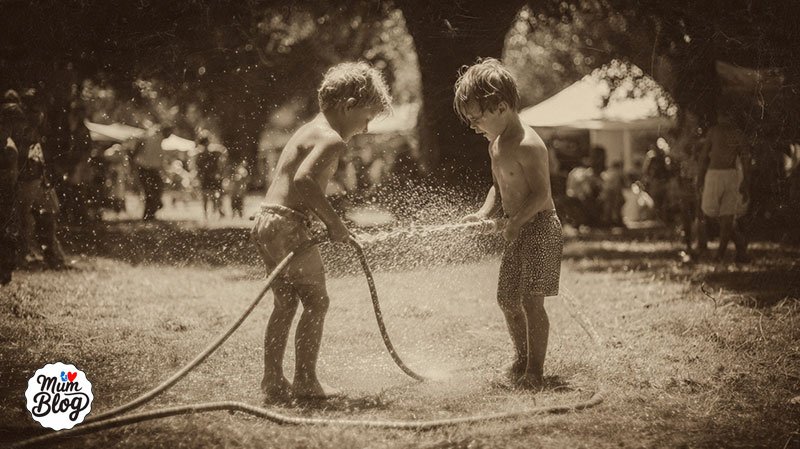
Sprinklers remain undefeated! Yep, running through them never gets old, even for kids who’ve done it every summer of their lives. Set up the sprinkler, provide towels for when they’re done, and enjoy the break while they exhaust themselves in the most joyful way possible.
Water balloons add excitement and targets. Fill a bunch in advance (or let older kids help with filling), then unleash the chaos. Yes, there are rubber scraps to pick up afterward. Worth it.
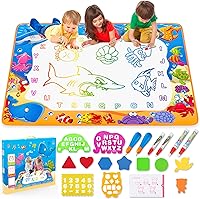
Water tables keep younger kids occupied with less wild energy. Pouring, measuring, adding toys — the physics of water fascinates toddlers and preschoolers. Add dish soap for bubbles, food coloring for visual interest, or ice cubes for temperature exploration.
Slip and slides, kiddie pools, and splash pads round out the water options. The common theme? Water plus heat equals happy kids. Dress them in swimsuits after breakfast and let water activities anchor your summer days.
Backyard Adventures
You don’t need acreage to have backyard adventures. Even a small outdoor space offers summer possibilities.
Camping in the backyard creates excitement without the logistics of actual camping. Set up a tent (or build a fort from blankets), tell stories, look at stars, maybe even sleep outside if you’re feeling brave. The novelty of sleeping in a different space delights kids even when home is steps away.
Treasure hunts transform ordinary yards into adventure zones. Hide items and create clues appropriate to your child’s age — picture clues for non-readers, written clues for older kids. The hunt itself provides entertainment, and older children often enjoy creating hunts for younger siblings.
Garden projects connect kids to growth and food. Even a few container plants give them something to water, watch, and eventually harvest. Cherry tomatoes, strawberries, and sunflowers work particularly well because results are visible and edible. The daily ritual of checking on plants adds structure to unstructured days.
Bug observation satisfies curiosity and creates outdoor purpose. Catch fireflies at dusk, watch ant highways, identify butterflies. A simple magnifying glass turns any bug into a fascinating specimen. Let them keep a nature journal if they’re interested — drawing what they observe builds both science and art skills.
Creative Projects That Don’t Require Art Degrees
Summer crafts don’t need to be complicated to be memorable. The simplest projects often engage kids longest because they allow genuine creativity rather than following instructions to replicate something Pinterest-perfect.
Sidewalk chalk transforms driveways into canvases. Let them draw whatever they want, create hopscotch courses, trace their bodies and decorate the outlines, or make obstacle courses to follow. Rain washes it away, creating fresh canvas for tomorrow.
Painting rocks collected from nature walks creates lasting treasures. Acrylic paint on smooth rocks makes everything from pet rocks to garden markers to gifts for grandparents. The rocks are free, paint is cheap, and the results delight kids who made them.
Building projects from recycled materials — cardboard boxes, paper towel tubes, egg cartons — cost nothing and encourage engineering thinking. Challenge them to build a fort, a robot, a car, a castle. Provide tape and scissors, then step back. The process matters more than the product.
Homemade playdough and slime recipes create both the making activity and the playing activity. Kids old enough to measure ingredients can largely do these independently. Younger kids can participate with supervision. Either way, the sensory play that follows the making extends the entertainment value significantly.
Building a Loose Summer Rhythm
Completely unstructured days sound idyllic until about day three, when the lack of rhythm starts creating chaos. A loose schedule provides enough structure to prevent constant battles about what’s happening next while still allowing summer flexibility.
Something like: morning outdoor time while it’s cooler, creative activity or project mid-morning, lunch, quiet time (naps for little ones, reading or rest for older kids), afternoon water play, free play until dinner. Not rigid, not scheduled to the minute — just a predictable rhythm that everyone knows.
Build in screen time where it makes sense for your family, but contain it rather than letting it bleed into everything. When kids know screen time is coming at a specific point, they stop asking for it constantly. When it’s always maybe, negotiation never ends.
Leave large blocks unscheduled. Over-programming summer defeats its purpose. Kids need time to get bored, figure out what to do, and engage in the kind of self-directed play that structured activities can’t replicate.
When You Need a Break
Parenting through summer requires pacing. You cannot be the entertainment committee twenty-four hours a day for months without burning out. Building in your own breaks isn’t selfish — it’s strategic.
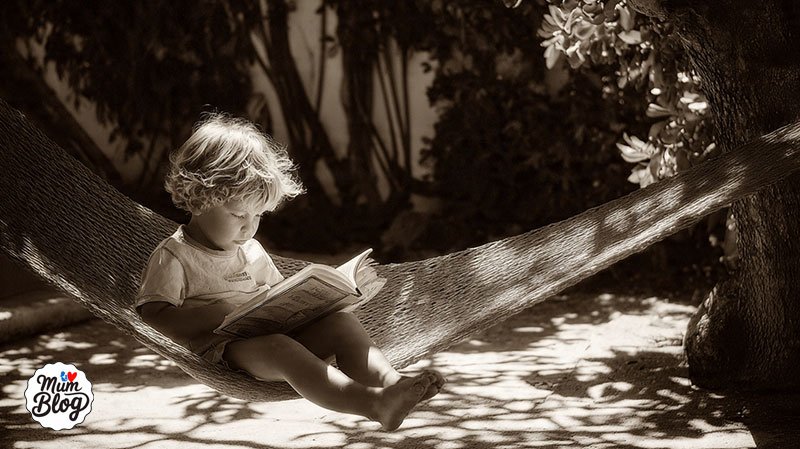
Quiet time isn’t just for kids who nap. Older children can have an hour of reading, audiobooks, or quiet play in their rooms while you get a mental break. Frame it as part of the daily routine, not punishment, and enforce it consistently.
Playdates provide social time for kids and conversation for you. Trading off hosting with other families means you sometimes get a completely free afternoon while your child plays elsewhere.
Strategic screen time has its place. An hour of shows while you make dinner or take a phone call isn’t failure — it’s survival. Our indoor activities guide has ideas for when you need screen-free independent play.
Summer Activities FAQ
How do I handle constant requests to go places that cost money?
Set expectations early. Maybe one paid outing per week — the pool, a movie, an ice cream shop. Everything else is home and free activities. When they ask for more, you can simply say it’s not a paid activity day. Having a predictable pattern reduces negotiation.
My kids fight more when they’re home together all day. Help?
Proximity breeds conflict. Build in separation time — quiet time in separate spaces, different activities for different kids sometimes. Also, boredom and lack of structure increase fighting. That loose routine helps more than you’d expect.
What about educational activities so they don’t lose skills over summer?
Reading is the single most important academic activity for summer. Make books accessible, visit the library regularly, read aloud to them regardless of age. Beyond that, cooking involves math, nature exploration involves science, and building projects involve engineering. Learning happens everywhere if you’re not forcing worksheets.
How do I work from home with kids around during summer?
Strategic time blocks, realistic expectations, and accepting that your productivity will be lower than kid-free periods. Schedule focused work during quiet time and naps. Hire a sitter or trade childcare with another family for your most important work hours. Save email and easy tasks for when kids are around. For more on managing this balance, our burnout guide has strategies.
The Summers They’ll Remember
Twenty years from now, your kids won’t remember whether you did the elaborate Pinterest craft. They’ll remember catching fireflies at dusk. They’ll remember the summer you let them turn the backyard into a mud pit. They’ll remember lazy afternoons reading on the porch and popsicles dripping down their chins.
Summer at home isn’t a consolation prize for families who can’t afford camps and trips. It’s where childhood happens in its purest form — unscheduled, unstructured, and full of the kind of freedom that’s increasingly rare for kids.
Twenty years from now, your kids won’t remember whether you had the perfect activity schedule. They’ll remember catching fireflies at dusk. They’ll remember the summer you let them turn the backyard into a mud kingdom. They’ll remember lazy afternoons and popsicles dripping down their chins. That’s the summer they need, mama — and you’re completely capable of giving it to them. So what’s your first move? I’m cheering you on from my own chaotic backyard.😄
Lila.