Last Updated on January 30, 2026 by Lila Sjöberg
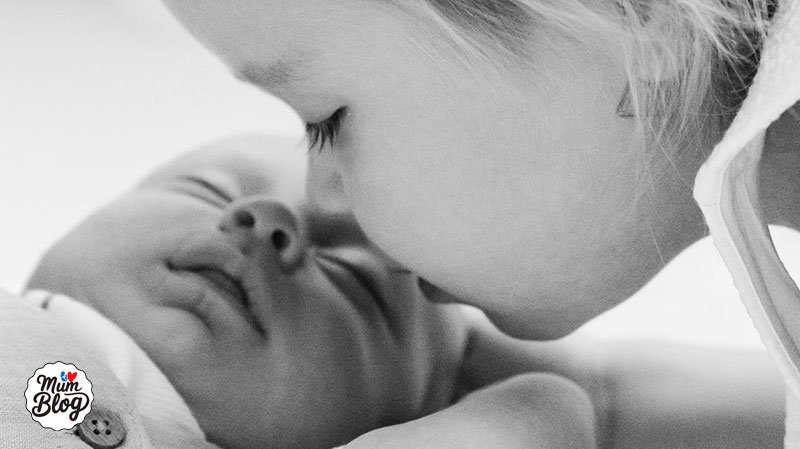
When I was pregnant with my second, everyone had advice about preparing my toddler. Read books about new babies! Get her a doll to practice with! Let her help set up the nursery! What no one said was: no amount of preparation fully readies a toddler for the reality of sharing you. I wish someone had told me that — not to discourage preparation, but to set realistic expectations about what preparation can and cannot do. So here is my honest take on preparing toddlers for new siblings.
Key Takeaways
Preparation helps but does not prevent difficult feelings — your toddler will still experience jealousy, confusion, and adjustment, no matter how well you prepare them. Timing matters; most toddlers cannot conceptualise far future, so heavy preparation in the last month or two of pregnancy works better than months of buildup. Actions after baby arrives matter more than preparation before; protecting special time with your toddler during the newborn phase is the most important thing you can do. Your toddler’s regression or behaviour changes after baby arrives are not your failure — they are normal adjustment.
The Short Answer




Prepare your toddler through age-appropriate conversations, books, and involving them in baby preparations, but expect adjustment challenges regardless. The most important preparation is your plan for maintaining connection with your toddler after baby arrives.
What Preparation Can (And Cannot) Do
Let me be straight with you: preparation reduces confusion but does not eliminate hard feelings. Your toddler can know a baby is coming and still feel blindsided by the reality. They can seem excited beforehand and still struggle afterward.
This is not because you prepared wrong. It is because nothing fully prepares a small child for their world fundamentally changing. Their exclusive relationship with you is ending — that is a genuine loss, even as something wonderful is being added. Grief and excitement can coexist.
So prepare, absolutely. But do not expect preparation to make the transition painless. What it will do is give you shared language, reduce the shock of the unfamiliar, and help your toddler feel included rather than sidelined.
Timing Your Conversations
Toddlers live in the present. Telling a two-year-old about a baby coming in seven months is meaningless — they cannot conceptualise time that far ahead. The baby becomes real when physical changes become obvious and preparations are visible.
Most experts suggest beginning substantive preparation in the last trimester, or when you are visibly pregnant enough that it is becoming a topic anyway.

Younger toddlers (under 2) need even less advance preparation. They will not understand most of what you say, and the baby will simply appear one day regardless. Focus less on conversation and more on adjustments well before baby’s arrival so they are not connected to baby displacement.
How to Talk About the Coming Baby
Keep conversations simple, concrete, and honest. Your toddler does not need detailed information about childbirth or infant care. They need to know: a baby is growing in mummy’s belly, the baby will come out and live with us, babies cry a lot and need lots of help, and you will still love and take care of them.
Do not oversell the sibling relationship. Saying you will have a friend to play with! sets up expectations babies cannot meet. Newborns are boring and demanding, not playmates. Better framing: The baby will be very small at first. Babies cannot play yet, but as they grow, they will learn to play with you.
Answer questions honestly when asked, but do not volunteer more than they are asking.
Involve Without Overwhelming
Including toddlers in preparation helps them feel part of the change rather than having change done to them. But there is a balance — too much focus on baby can backfire.
Let them help with things that feel meaningful: choosing something small for the baby, arranging the nursery, picking clothes. Not executive decisions, but inclusion in the process.
Books about new siblings help many children process. There are dozens available — read several and see which resonate with your child.
Practice with dolls can help some children, though others could not care less about dolls. Do not force it if it is not their thing.
Visit friends with newborns if possible. Seeing and hearing a real baby provides more concrete preparation than any book.
Practical Adjustments Before Baby Arrives
If changes to your toddler’s life are necessary — new room, new bed, weaning, new childcare — make them well before baby arrives. Changes that happen simultaneously with baby’s arrival will feel like displacement, even if they were planned regardless.
Transition out of the cot at least two to three months before baby will need it. Moving rooms, stopping breastfeeding, starting nursery — all better done with time to adjust before the upheaval of a new sibling.
Think through logistics now. Where will your toddler be during the birth? Who will care for them? Prepare them for this separation, however long it will be.
The Hospital and Homecoming
How you handle the introduction matters. Plan thoughtfully, even knowing plans may shift.
Some families have toddlers visit in hospital; others prefer meeting at home. Neither is definitively better — consider your child’s temperament, the hospital’s environment, and how you are likely to be feeling.
Many parents arrange a gift from the baby to the toddler at the first meeting. It is a small thing that can create positive association. The baby brought this for you! helps the baby’s arrival feel like something other than pure loss.
When you walk in the door, consider having someone else hold the baby so your arms are free for your toddler. That first moment of reunion matters.
After Baby Arrives: The Real Work Begins
Here is what no amount of preparation can fully address: the ongoing daily reality of shared attention. Preparation sets the stage, but the months after birth are where sibling relationships actually form.
Protect one-on-one time with your toddler fiercely. Even fifteen minutes of focused attention daily — really focused, not while feeding baby — makes a difference. Our 15-minute self-care approach applies here too — small moments of connection add up.
Expect regression and behaviour changes. Potty accidents, wanting bottles again, increased clinginess, acting out — all normal responses to stress and displacement. Meet regression with patience, not frustration. It is temporary.
Narrate baby care in ways that include your toddler. Baby is crying because she is hungry. Should we feed her so she stops crying? Not as forced involvement, but as natural inclusion in family life.
Preparing Toddler for New Baby FAQ
My toddler seems totally uninterested in preparing for the baby. Should I push more?
No. Let them lead their level of engagement. Some children are naturally curious about the coming baby; others truly do not care until the baby is actually there. Both are normal. Forced interest backfires.
What if my toddler seems negative or says they do not want a baby?
Acknowledge those feelings without trying to change them. It is okay to feel that way. Changes can be hard. Do not promise they will love the baby or that it will be great — they may not, and it may be hard for a while. Validation serves them better than persuasion.
How do I handle aggression toward the new baby?
Supervise constantly. Stop any hitting or rough handling immediately but calmly. I will not let you hurt the baby. You can be gentle or you can play over here. Do not shame or punish — they are expressing feelings they cannot articulate. Channel the feelings, protect the baby, and give extra attention when they are gentle. Our sleep guide addresses family dynamics around newborns.
Is it better to have children close in age or further apart for sibling relationships?
Neither is universally better. Close spacing means the older child does not remember life without a sibling. Wider spacing means a more capable older sibling, but more entrenched only-child patterns to disrupt. Every spacing has trade-offs. Most siblings adjust regardless of gap.
Funny Video to Watch!
The Honest Truth
Your toddler is about to go through something huge. Their world is changing fundamentally, and they did not choose this change. That is hard, no matter how much you prepare.
There will be hard moments. Jealousy, tantrums, regression, moments where your heart breaks watching your firstborn struggle with displacement. These are not preparation failures. They are adjustment — and adjustment takes time.
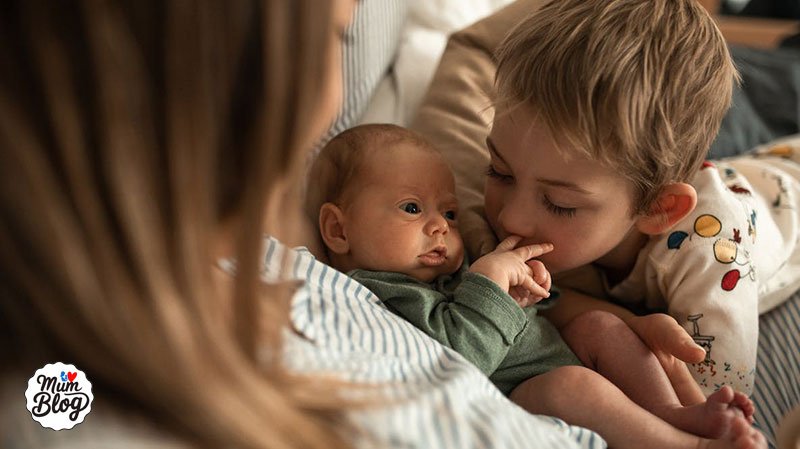
But there will also be the moment your toddler gently touches the baby’s hand. The first genuine smile between them. The time your older child makes the baby laugh. The relationship you are creating between them will grow over years and decades, long after the newborn chaos fades.
Prepare what you can. Accept what you cannot control. Trust that your toddler is resilient and this transition, hard as it is, will eventually become their normal. And know that you are not alone in navigating this — every family adding a sibling walks this same uncertain path.
Are you preparing for a new addition? What are your biggest worries or questions? I would love to hear what you are navigating — we are all figuring this out together.
Lila.