Last Updated on January 23, 2026 by Lila Sjöberg
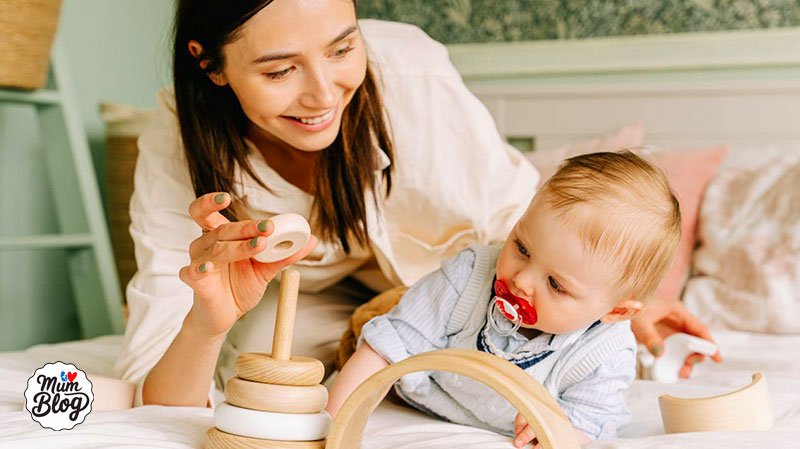
Let’s be honest: not all toddler activities are created equal. Some are genuinely fun for everyone involved. Others are mind-numbingly boring for adults while your toddler demands you do them seventeen more times. Here’s a guide to activities that entertain your little one while keeping you at least somewhat engaged — because your enjoyment matters too.
Key Takeaways
The best toddler activities work for both of you — they hold your child’s attention while keeping you present rather than bored and checking your phone. Incorporating your own interests into play (music you like, baking something you want to eat, exploring places you find interesting) creates genuine engagement rather than forced enthusiasm. Activities with built-in variety and progression prevent the repetitive loops that make parents lose their minds. Getting outside changes the dynamic for everyone; nature provides stimulation that your living room can’t match. Your genuine presence and enjoyment transfers to your toddler — fake enthusiasm is exhausting for everyone.
The Short Answer
The most enjoyable toddler activities combine your child’s developmental needs with elements that engage you too. Look for activities with natural variety, incorporate your own interests, and prioritize getting outside where possible.
Why Your Enjoyment Matters
You’re not a bad parent for finding some toddler activities boring. Pushing the same truck back and forth for forty-five minutes tests anyone’s patience. The problem is that boredom leads to phone-checking, which leads to disconnection, which toddlers notice immediately. Suddenly they need more attention because they sense you’re not really there.
When you’re genuinely engaged, everyone benefits. Your toddler gets quality interaction. You don’t feel like you’re slowly losing brain cells. The time together feels like connection rather than obligation. So let’s find activities where engagement comes naturally.
Kitchen Adventures
Cooking and baking with a toddler is chaotic, messy, and slower than doing it alone. But it’s also genuinely engaging because there’s a real outcome — something you actually want to eat.
Simple baking projects: Banana bread, cookies, or muffins work well. Toddlers can pour pre-measured ingredients, stir batter, and press cookie cutters. You get a treat at the end. Everyone wins.
Pizza making: Store-bought dough plus toppings they can scatter. They feel like they’re cooking a real meal. You get dinner made with a helper instead of making dinner while entertaining separately.
Smoothie assembly: Let them drop in banana chunks and berries. Push the blender button together. Drink something genuinely delicious while they feel accomplished.
The key is choosing recipes you actually want to eat. Making food you don’t care about just to give them an activity defeats the purpose. Our toddler meal ideas include options that work for cooking together.
Music That Doesn’t Make You Crazy
You don’t have to listen to the same kids’ songs on repeat until you hear them in your nightmares. Toddlers respond to rhythm and melody regardless of whether it’s Baby Shark or your favorite band.
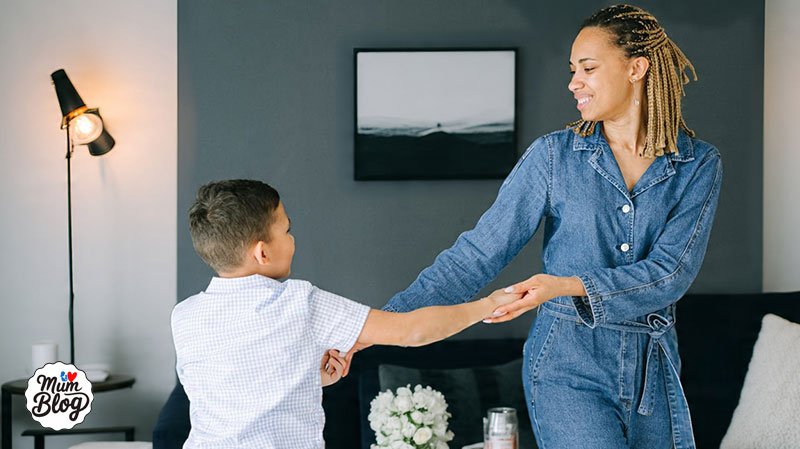
Dance parties to your music: Put on songs you actually enjoy. Your toddler doesn’t know the difference between dancing to Raffi and dancing to whatever you loved in college. They just know you’re moving and happy.
Kitchen concerts: Wooden spoons, pots, and containers become drums. You provide the backing track from your own playlist. They provide enthusiastic percussion.
Music discovery: Introduce them to different genres. Jazz, classical, world music, oldies — toddlers are surprisingly open-minded listeners. Finding music you both respond to is a genuine discovery process.
Outdoor Exploration
Getting outside changes everything. The stimulation of nature — sounds, textures, smells, movement — engages toddlers in ways that toys can’t match. And fresh air improves your mood too.
Nature walks: Not power walks with a stroller — actual toddler-pace explorations where you stop to examine every stick, rock, and bug. Their wonder is contagious when you slow down enough to share it.
Water play outside: A bucket of water, some cups, and the backyard. Add in mud possibilities and they’re occupied for ages. You get to sit outside with a drink while occasionally refilling the bucket.
Playground strategy: Find playgrounds you don’t hate. Some have seating in the shade. Some have coffee nearby. Some have nature areas that interest you too. Your environment matters.
Garden time: Even a few container plants give you something to tend together. Watering, digging, watching things grow. Toddlers love dirt, and gardening at least produces something.
Creative Play with Purpose
Open-ended creative activities work better when there’s enough structure that you’re not just watching them dump paint everywhere.
Collaborative art: Work on a piece together rather than supervising their work. You draw something, they add to it. Take turns adding elements. The process of creation together beats watching them create alone.
Building challenges: Build alongside them with blocks, Magna-tiles, or cardboard boxes. Make it a shared project with a goal — a tower, a castle, a city for their toys.
Sensory bins with intention: Instead of generic rice bins, create themed setups that tell a story. A construction site, a farm, an ocean. The narrative gives you both something to engage with.
Movement That Works for Both Bodies
Toddlers need to move. You probably need to move too. Finding overlap benefits everyone.
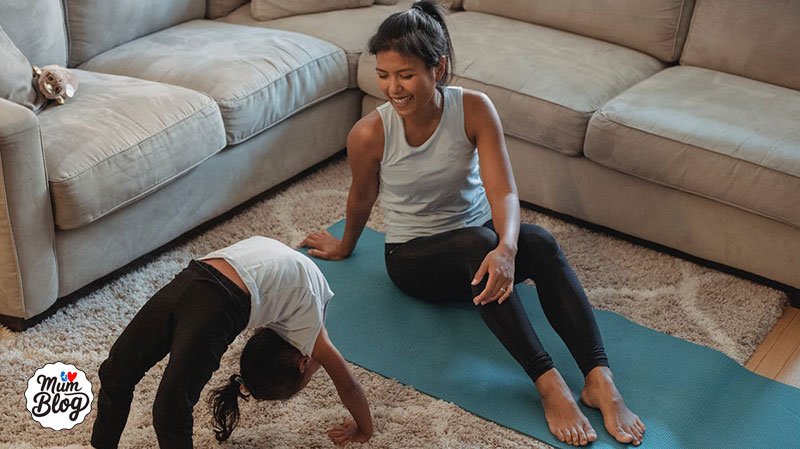
Yoga together: Toddler yoga videos exist, but honestly, just doing simple stretches while they climb on you works too. They think it’s a game. You actually get some stretching in.
Walking with purpose: Destination walks — to see the dogs at the dog park, to check what’s at the library, to get a treat at the bakery. A goal makes walking feel like an adventure rather than a forced march.
Active games you can play sitting: Rolling a ball back and forth, catching games with soft objects, simple obstacle courses where you’re one of the obstacles. You can be somewhat stationary while they burn energy.
Learning Stuff Together
When you’re both learning, engagement comes naturally.
Library trips: Discovering new books together means you’re not reading the same three for the hundredth time. Rotate frequently. Let them choose, but you choose too.
Nature identification: Get a simple bird book or plant guide. Learning what things actually are gives your walks more purpose. That’s a robin beats look, a bird for your brain even if your toddler doesn’t care yet.
Simple science: Baking soda and vinegar volcanoes, mixing colors, sinking and floating experiments. These fascinate toddlers and are interesting enough for adults too — especially if you’ve forgotten basic chemistry.
Activities to Approach Strategically
Some activities are important for toddlers but deadly boring for adults. Strategies for surviving them:
Repetitive play: When they want to do the same thing over and over, add micro-variations to keep yourself engaged. Different voices for the characters, new obstacles on the track, changing one element each round.
Playground duty: Bring something for yourself — a podcast with one earbud, a book for brief glances, a friend with a kid the same age so you have adult conversation.
Independent play nearby: Sometimes the best activity is parallel existence. They play, you do something adjacent that you enjoy. Your presence without constant interaction builds their independence while giving you breathing room.
Toddler Activities FAQ
I feel guilty for not enjoying all toddler play. Is that normal?
Completely normal. Toddler play is often repetitive by design — they learn through repetition. You’re not failing by finding it tedious sometimes. Finding activities you genuinely enjoy isn’t selfish; it’s sustainable parenting.
My toddler only wants to play the same game constantly. How do I redirect?
Introduce small variations rather than fighting the game entirely. New characters, different setting, added obstacles. Their need for repetition meets your need for novelty somewhere in the middle.
What if I’m just not a playing on the floor type of person?
Then find activities that don’t require it. Baking together, walking outside, doing projects at a table, having them help with real tasks. Play doesn’t have to mean sitting on the floor with toys.
How much active engagement do toddlers actually need?
Quality matters more than quantity. Focused, connected time where you’re genuinely present is worth more than hours of half-attention. Some independent play is healthy for them too. You don’t need to entertain constantly — just be truly there when you’re there.
The Real Goal
Your toddler doesn’t need a Pinterest-perfect play experience. They need you — present, engaged, and occasionally enthusiastic. Finding activities that work for both of you makes presence sustainable. You can fake enthusiasm sometimes, but you can’t fake it all day every day without burning out.
So ditch the activities that make you want to stare at the wall. Find the ones where you both light up. Your enjoyment isn’t a nice bonus — it’s part of what makes time together actually valuable for everyone.
Lila.