Last Updated on January 21, 2026 by Lila Sjöberg
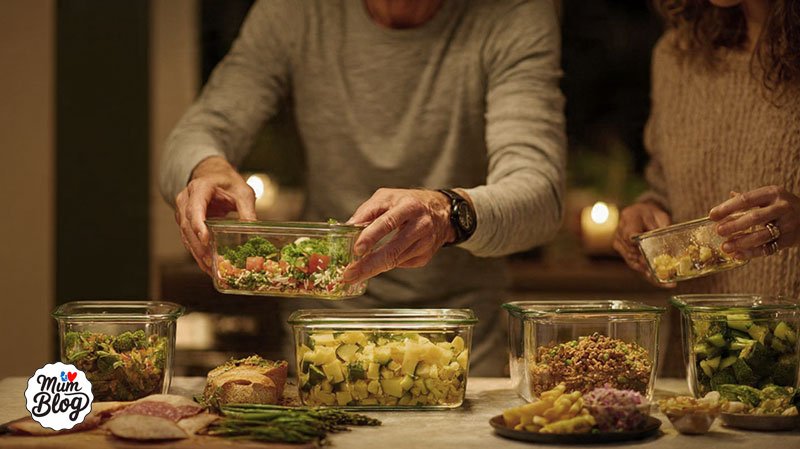
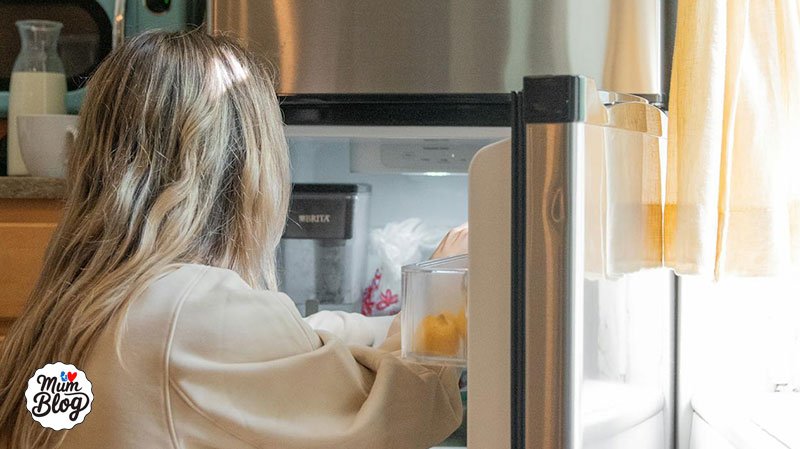
It’s 5:47 PM. Everyone is hungry, including you. Someone is whining, probably also including you. The thought of cooking an actual meal from scratch right now feels as realistic as a solo vacation to Bali. This is the moment when past-you — the one who spent two hours on Sunday doing batch cooking — becomes a hero. Present-you opens the fridge, grabs a container of already-cooked something, and dinner happens without tears.
Batch cooking sounds intimidating, like something only organized Pinterest people do. But it’s really just making more food than you need at once so future-you has less work. Here’s how to make it actually happen in a real kitchen with real interruptions.
Key Takeaways
Batch cooking isn’t about elaborate meal prep — it’s about cooking extra whenever you cook and storing it strategically. Even prepping just two or three components (a protein, a grain, a vegetable) gives you building blocks for quick weeknight meals. One focused cooking session of 1-2 hours can cover most weeknight dinners. Freezer meals are your best friend for truly chaotic weeks when even reheating feels hard. Start small — batch cooking one thing is better than planning an elaborate system you’ll never execute.
The Short Answer: Batch cooking for busy parents means dedicating 1-2 hours once a week (usually weekend) to cooking proteins, grains, and vegetables in bulk, then storing them to assemble quick meals throughout the week. Start simple with just one or two things and build from there.
Let’s make this doable, not aspirational.
The Mindset Shift


Forget the Instagram meal preppers with their color-coded containers and seventeen different meals photographed beautifully. That’s not what we’re doing here. We’re doing survival meal prep — getting enough ready that weeknight dinners require assembly, not cooking.
Batch cooking works best when you think in components, not complete meals. Cook a big batch of chicken, a pot of rice, and roast a ton of vegetables. Now you have mix-and-match building blocks for tacos, bowls, stir-fry, pasta, salads, whatever. Versatility beats variety.
This also takes the pressure off. You don’t need to plan every meal in detail. You just need to have stuff ready that can become meals. When 5 PM hits and you’re decision-fatigued, “grab chicken and rice, add whatever sauce” is much easier than “figure out what to make and then make it.”
When to Do It
Most batch cookers have a weekly session — Sunday afternoon is classic, but Saturday morning or any day that works for your schedule is fine. You need 1-2 hours of mostly focused time, though batch cooking actually tolerates interruptions better than regular cooking because you’re doing multiple things in parallel anyway.
The other approach: cook double whenever you cook. Making chicken for tonight? Make twice as much. Cooking rice? Triple the batch. This spreads the work throughout the week instead of concentrating it. Some people prefer one big session; others like the incremental approach. Both work.
What doesn’t work: planning elaborate meal prep sessions you don’t actually have time for. Be realistic about your schedule and energy. A small amount of prep that actually happens beats an ambitious plan that stays a plan.
What to Batch Cook
Focus on things that keep well, reheat well, and are versatile. The holy trinity of batch cooking is proteins, grains, and vegetables.
Proteins: baked or grilled chicken (shred some, slice some), ground beef or turkey cooked with basic seasoning, hard-boiled eggs, beans (if cooking from dried). These keep 4-5 days refrigerated, months frozen.
Grains: rice (any kind), quinoa, pasta (slightly undercooked so it’s not mushy when reheated), couscous. Most keep about a week refrigerated.
Vegetables: roasted sheet pan vegetables (any combination), sautéed greens, steamed broccoli or cauliflower, raw vegetables prepped for snacking or cooking. Most keep 4-5 days.
Sauces and extras: a jar of homemade or good store-bought sauce transforms basic components into an actual meal. Salsa, pesto, teriyaki, marinara — having 2-3 options makes the same protein and grain feel like different meals.
Our 20 family-friendly recipes collection has meals that batch cook beautifully.
A Sample Batch Cooking Session
Here’s what a realistic Sunday prep session might look like — about 90 minutes, working in parallel:
Start the rice cooker or a pot of water for grains. While that heats, prep two sheet pans of vegetables for roasting — one with broccoli and carrots, one with potatoes and peppers. Whatever you have, honestly. Toss with oil and salt, into the oven at 400°F (200°C).
Season chicken breasts or thighs (or both) with simple seasoning and get them cooking — baked, grilled, or in a skillet. If doing ground meat, start browning that now too.
While proteins cook, hard boil a batch of eggs if your family eats them. Prep any raw veggies for snacks — wash and cut carrots, celery, peppers, whatever your kids might actually eat.
As things finish, let them cool while you pack into containers. Shred some of the chicken for different uses. Done. You now have rice, two kinds of roasted veggies, cooked chicken, hard-boiled eggs, and snack veggies. That’s most of your weeknight dinner components sorted.
Weeknight Assembly
With components ready, dinner becomes assembly. Some quick combinations:
Chicken + rice + roasted veggies + teriyaki sauce = rice bowls. Chicken + salsa + cheese + tortillas = tacos or quesadillas. Ground meat + pasta + marinara = spaghetti with meat sauce. Roasted veggies + eggs + cheese = frittata or scrambled egg bowls. Rice + beans + veggies + salsa = burrito bowls.
You get the idea. The same components remix into different-enough meals that kids don’t feel like they’re eating the same thing every night (though some kids would happily eat the same thing every night, which is also fine).
Reheating tip: add a splash of water to rice and grains before microwaving to prevent dryness. Proteins can go in a skillet for quick warming if the microwave makes them rubbery.
Freezer Meals: Your Emergency Backup
Some weeks, even assembly feels like too much. This is what freezer meals are for. Spend one session making meals specifically for the freezer — soups, casseroles, marinated proteins, breakfast burritos — and you have emergency backup for the truly terrible days.
Soups and stews freeze beautifully. Cool completely, freeze in portion sizes, and you’ve got homemade soup whenever you need it. Most casseroles can be assembled raw and frozen, then baked from frozen with extra time added.
Marinated raw proteins freeze well — put chicken and marinade in a bag together, freeze, and when you defrost, it’s marinated and ready to cook. This is prep without cooking, stored until you need it.
Label everything with what it is and the date. Freezer meals are only useful if you can identify them later. That mystery container from who-knows-when helps no one.
Making It Kid-Friendly
If you have picky eaters, batch cooking becomes even more strategic. Cook components plain (unseasoned chicken, plain rice) so you can season adult portions differently from kid portions. Keep sauces on the side so everyone can customize.
Having prepped ingredients also makes it easier to offer variety without extra work. If the child only eats plain chicken and rice while you have a fancy bowl with sauce and veggies, everyone still eats from the same prep work.
Speaking of picky eaters, our guide on healthy toddler meal ideas for picky eaters has more strategies that pair well with batch cooking.
Common Pitfalls and How to Avoid Them
Over-planning is the biggest killer of batch cooking intentions. You plan seven different elaborate meals, buy tons of ingredients, and then feel overwhelmed before you start. Keep it simple. Three components is enough.
Food waste happens when you prep more than you’ll actually eat. Start with smaller batches until you learn your family’s realistic consumption. It’s better to run out on Thursday and order pizza than to throw away untouched containers on Sunday.
Boredom sets in if you cook the exact same things every week. Rotate your proteins and seasonings. Do beef one week, chicken the next. Try different vegetable combinations. Small changes keep it from feeling repetitive.
Life interrupts your batch cooking session. Kids need things, crises happen, the time disappears. Have a backup plan — even prepping just one thing is better than nothing. Or shift your session to a different day. Flexibility matters more than consistency.
Frequently Asked Questions
How long do batch-cooked foods actually last?
How long do batch-cooked foods actually last?
In the refrigerator: cooked proteins 3-4 days, grains about a week, roasted vegetables 4-5 days. In the freezer: most things last 2-3 months while maintaining quality. When in doubt, label with dates and use the sniff test.
Can I batch cook with babies and toddlers around?
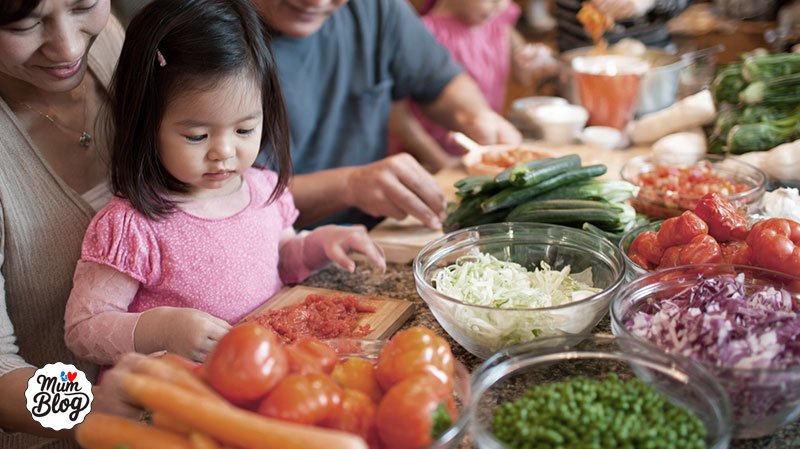
Yes, but expect interruptions. Nap time is gold. Involving toddlers in safe tasks (washing vegetables, stirring) can work. Or tag-team with a partner — one person cooks while the other handles kid duty. It won’t be uninterrupted, but it can happen.
What if my family doesn’t like leftovers?
Rebrand them as “components” not leftovers. Remixing into different meals helps — Tuesday’s chicken becomes Thursday’s tacos. Some families do better with freezer meals that feel like “fresh” cooking when reheated. Experiment to find what works.
Is batch cooking actually cheaper?
Usually yes — buying ingredients in bulk and cooking at home beats takeout and convenience foods. But the bigger savings might be time and sanity rather than money. Both have value.
Start This Week
Don’t wait for the perfect Sunday to start an elaborate meal prep system. This week, just cook extra of whatever you’re already making. Double the chicken. Triple the rice. Roast extra vegetables. See how having those components ready changes your weeknight experience.
If it helps, do more next week. Build gradually into a system that works for your family, your schedule, your kitchen. The goal isn’t Instagram-worthy meal prep containers — it’s getting dinner on the table without losing your mind.
Future-you will thank present-you. That’s the whole point.
Happy cooking, mama. Or happy assembling, which is even better!
Lila.