Last Updated on January 23, 2026 by Lila Sjöberg
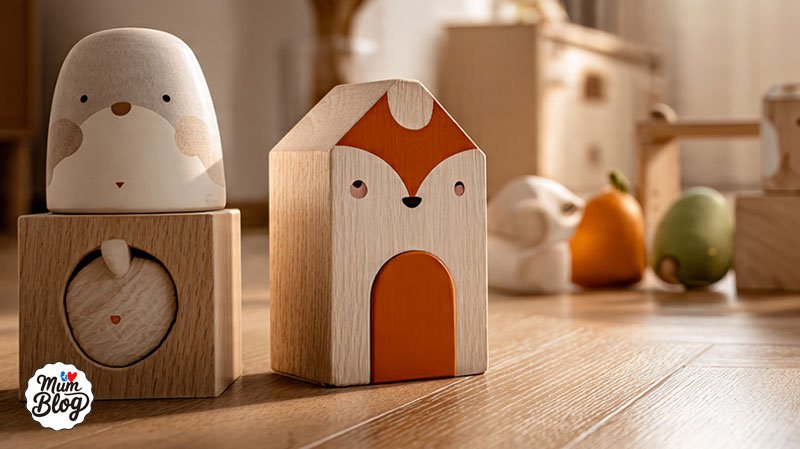
Walk down any toy aisle and you’ll see educational slapped on everything from flashcard apps to electronic gadgets that mostly teach kids to push buttons. But which toys actually support development versus just keeping kids quiet? Here’s a clear-eyed look at what’s worth your money at each age — and what’s mostly marketing.
Key Takeaways
The most educational toys are often the simplest — blocks, balls, art supplies, and open-ended materials beat most electronic learning toys. Expensive doesn’t mean better; development happens through play with engaged caregivers, not premium price tags. Toys that do one thing teach one thing; toys that can be used many ways teach problem-solving, creativity, and sustained engagement. Age recommendations on boxes are starting points, not rules — observe your child’s interests and abilities. The best toy investment is often fewer, higher-quality items rather than a mountain of cheap plastic.
The Short Answer
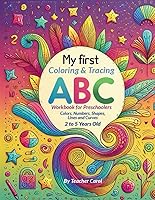
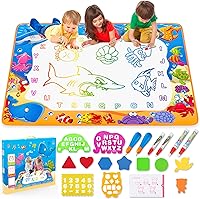
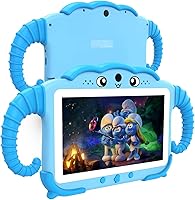
The most genuinely educational toys are open-ended (blocks, art supplies, loose parts), grow with your child across developmental stages, and encourage active engagement rather than passive consumption. Brand matters less than design principles.
What Makes a Toy Actually Educational
Before diving into age-specific recommendations, let’s clarify what educational actually means. A toy is genuinely educational when it:
Encourages active participation: The child does the thinking, not the toy. Blocks require a child to figure out balance. Electronic toys that play songs when buttons are pressed do the work for them.
Can be used multiple ways: Open-ended toys like blocks, play dough, and art supplies teach problem-solving because there’s no single correct use. Puzzles have value but teach one specific skill.
Grows with the child: Toys that challenge a 2-year-old and still engage a 4-year-old offer better developmental value than single-stage items.
Invites adult involvement: Research consistently shows that toys used with engaged adults produce better outcomes than toys used alone. The toy is the vehicle; interaction is the engine.
Birth to 12 Months
Babies learn through their senses and movement. They don’t need much — in fact, too many toys overwhelm rather than engage.
High-value items:
High-contrast cards or soft books (especially black/white for newborns, progressing to colors). Babies’ visual systems develop rapidly and they’re genuinely attracted to high contrast.
Simple rattles and graspable toys that make satisfying sounds. Look for varied textures. Baby will mouth everything, so safety and quality matter.
Soft balls that are easy to grasp and don’t roll too fast. Encourage reaching, grasping, and eventually rolling back and forth with you.
Stacking cups or nesting toys. Simple, versatile, used for years in different ways. Stacking, nesting, hiding objects, water play, sandbox play.
Skip: Electronic toys with flashing lights and sounds that teach letters or numbers. Babies this age need sensory exploration and human interaction, not screen-based or button-pushing learning.
1 to 2 Years
Toddlers are mastering movement, developing language, and learning cause and effect. Toys should support active exploration.
High-value items:
Simple wooden blocks in basic shapes. Begin with larger ones that are easy to grip and stack. Block play supports spatial reasoning, early math concepts, and endless open-ended creation.
Push and pull toys for kids learning to walk. Simple designs that encourage movement without electronic distractions.
Play kitchen items and dolls for emerging pretend play. At this age, keep it simple — a pot, a spoon, a baby doll. Elaborate sets aren’t necessary.
Chunky crayons and large paper. Art supplies grow with kids for years. Start with large, easy-to-grip options.
Simple shape sorters and puzzles with knobs. Just complex enough to challenge without frustrating.
Skip: Tablets or educational apps marketed for this age. Screen-based learning doesn’t outperform hands-on play for this age group, and can establish habits that are hard to break.
2 to 3 Years
Language explodes. Pretend play develops. Fine motor skills refine. Toys should support all three.
High-value items:
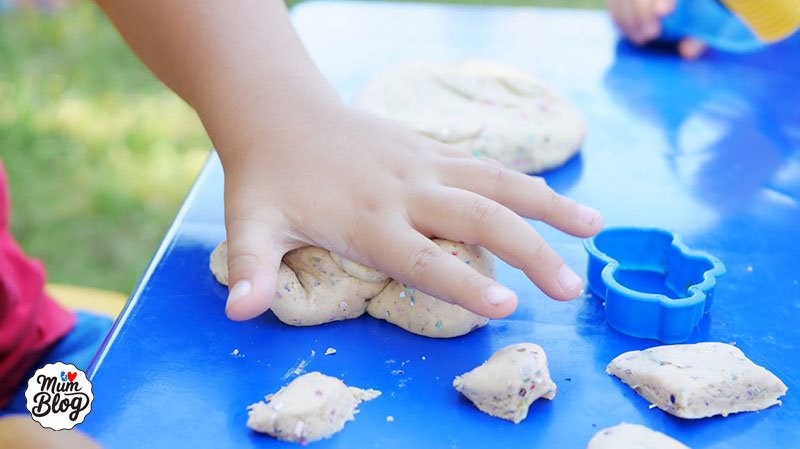
Playdough with tools. Supports fine motor development, creativity, and sensory input. Homemade or store-bought both work. For more on sensory play at this age, check our indoor activities guide.
Magnetic tiles (like Magna-Tiles or similar). Higher price point but used for years. Support spatial thinking, early engineering, and open-ended creativity.
Train sets and tracks. Building the track is as valuable as running the train. Problem-solving, spatial reasoning, and sustained engagement.
Dress-up clothes and props. Pretend play is cognitive heavy lifting — kids process their world, practice social scenarios, and develop language through imaginative play.
Simple board games designed for this age. Games like First Orchard teach turn-taking, rule-following, and early counting without complex rules.
Skip: Electronic toys that quiz kids on letters/numbers. This age needs interaction and play-based learning. Drill-and-practice doesn’t develop deeper skills.
3 to 5 Years (Preschool)
Preschoolers are ready for more complex thinking, longer projects, and increasingly sophisticated pretend play.
High-value items:
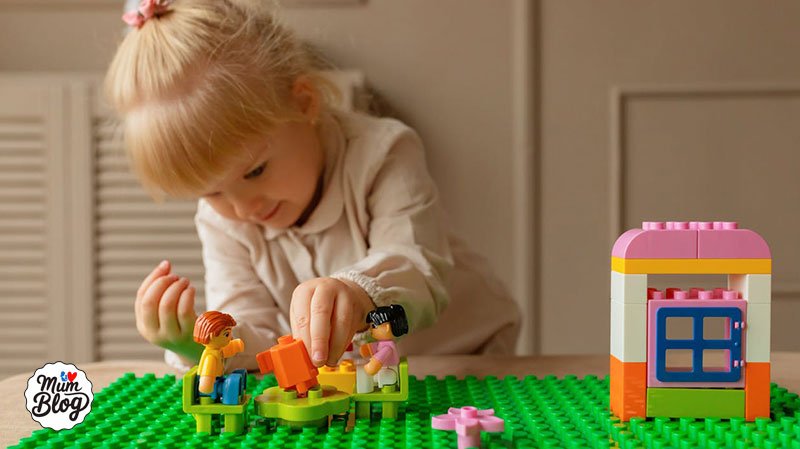
LEGO Duplo transitioning to regular LEGO. Following instructions builds sequential thinking; free building develops creativity and spatial skills. Both matter.
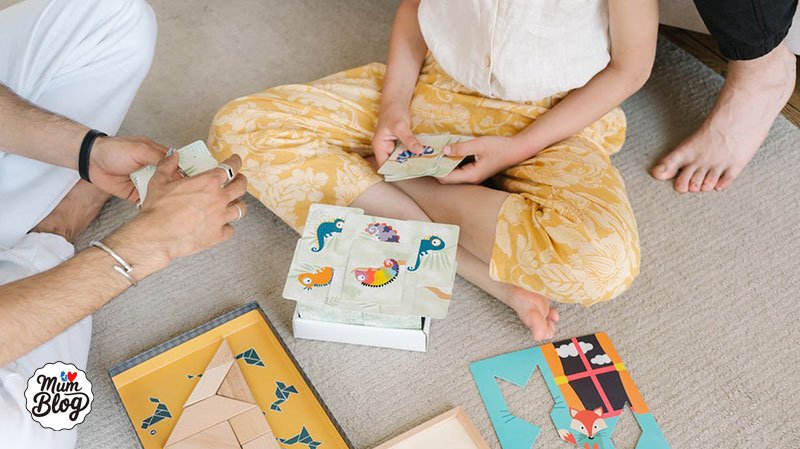
Pattern blocks and tangrams. Geometric thinking, spatial reasoning, and early math concepts through hands-on manipulation.
Art supplies upgrade: scissors, glue, varied papers, watercolors. Process-focused art (not craft kits with predetermined outcomes) teaches creativity and fine motor skills.
Coding toys for beginners (like Cubetto or simple robot toys). Programming logic through physical play, no screen required.
Quality puzzles increasing in complexity. Move from 12-piece to 24 to 48 pieces as skills develop. Puzzles build problem-solving, persistence, and spatial thinking.
Construction toys beyond blocks: marble runs, gears, building straws. Early engineering through trial and error.
5 to 8 Years (Early Elementary)
School-age kids benefit from toys that build on academic skills while still feeling like play.
High-value items:
Building sets with increasing complexity: LEGO, K’NEX, Erector sets. Instructions develop sequential thinking; free building develops creativity.
Strategy board games appropriate for age. Classics (checkers, Connect 4) and newer games (Ticket to Ride: First Journey, Outfoxed) build logic, planning, and graceful losing.
Science kits that work. Look for ones requiring adult involvement — the interaction matters. Crystal growing, simple circuits, microscope kits.
Art supplies for real projects: sketchbooks, quality markers and pencils, beginner sewing kits, jewelry-making supplies.
Card games that build math skills: Uno, Skip-Bo, games requiring strategy and number sense.
Reading supports: comic books, graphic novels, series books at their level, and cozy reading spots to enjoy them in. Our guide to developmental toys includes more options for this age range.
Timeless Toys That Work at Every Age
Some toys genuinely grow with children across years:
Blocks: From stacking at 1 to elaborate cities at 8. Quality wooden blocks last decades.
Art supplies: Crayons at 1 become watercolors at 4 become detailed drawing at 8. Always relevant.
Balls: Rolling at 6 months, throwing at 2, playing catch at 4, sports at 8. A ball is never the wrong gift.
Play kitchen/workshop: Simple pretend at 2 becomes elaborate scenarios at 5. Classic open-ended pretend play.
Dolls and stuffed animals: Comfort objects at 1, pretend play companions at 3, still beloved at 8.
Educational Toys FAQ
Are expensive wooden toys really better than plastic?
Not automatically. Quality matters more than material. Well-designed plastic toys (LEGO, Magna-Tiles) are excellent. Cheap wooden toys can be poorly made. That said, quality wooden toys often last longer, feel better, and age more gracefully. They’re an investment that can serve multiple children.
My child only wants character-licensed toys. Should I refuse?
Balance is reasonable. Some licensed toys (LEGO sets, board games) are genuinely good. Others are cheap cash-grabs. Evaluate the toy itself, not just the branding. A few beloved character items among quality basics is fine.
Are electronic learning toys ever worth it?
Rarely for young children. Some interactive elements can enhance toys for older kids (like circuitry kits or coding robots). But toys that do the thinking for kids, play sounds at button-pushes, or claim to teach preschool academics through screens generally don’t deliver better outcomes than hands-on play.
How many toys do kids actually need?
Fewer than you think. Research suggests children play more deeply and creatively with fewer toys. A rotation system — keeping some toys stored and swapping them periodically — maintains novelty without accumulation. Focus on quality and variety of types rather than quantity.
What’s the single best toy investment?
If forced to choose one category: building materials. Blocks for younger kids, magnetic tiles or LEGO for older ones. Open-ended, used for years, supports countless skills. Add art supplies as a close second.
The Real Secret
Here’s what toy companies won’t tell you: the most educational toy is you. Your engagement, conversation, and interaction with your child while playing matters more than which specific toys you buy. A cardboard box with an engaged parent beats an expensive educational gadget used alone.
So buy fewer, better toys. Put them at child-level for easy access. Rotate them to maintain interest. And most importantly, get down on the floor and play together. That’s where the real learning happens.
Lila.