Last Updated on January 20, 2026 by Lila Sjöberg
My toddler will eat floor Cheerios of unknown age but refuses the fresh organic blueberries I just washed. She devours crackers at her friend’s house but won’t touch the identical crackers in our pantry. The only consistent thing about toddler eating habits is their complete inconsistency.
Finding healthy snacks that toddlers will actually eat feels like cracking a code that changes daily. But after years of experimentation (and a lot of rejected food), I’ve found some options that work more often than not. The secret? Meeting them where they are — which is usually somewhere between “I only eat beige foods” and “I want what you’re having.”
Key Takeaways
Toddlers are naturally erratic eaters — rejected food today might be devoured tomorrow, so keep offering without pressure. The best toddler snacks combine protein or fat with carbs to provide sustained energy and prevent blood sugar crashes. Presentation matters more than ingredients sometimes; the same food offered differently can get completely different reactions. Your job is to offer nutritious options; their job is to decide what and how much to eat.
The Short Answer: Healthy toddler snacks that actually get eaten include cheese and crackers, fruit with nut butter, yogurt, cut vegetables with dip, whole grain toast with toppings, hard-boiled eggs, and smoothies. Focus on combining protein or fat with carbs, keep portions small, and offer variety without pressure.
Let’s talk real snacks for real toddlers — not the Pinterest-perfect ones they’ll never touch.
The Toddler Snack Paradox
Here’s what nobody tells you about feeding toddlers: they’re biologically programmed to be suspicious of new foods. It’s an evolutionary survival mechanism — our cave-baby ancestors who ate random berries didn’t always make it. So when your toddler rejects the new food you’re offering, they’re not being difficult. They’re being appropriately cautious for a tiny human who can’t yet distinguish “edible” from “poisonous.”
This means two things. First, repeated exposure matters — research suggests kids may need to see a food 10-15 times before accepting it. Second, pressure backfires spectacularly. The more you push, the more they resist. Your job is to keep offering; their job is to decide whether to eat it. This division of responsibility isn’t giving up — it’s actually the recommended feeding approach from pediatric nutritionists.
Also, toddlers have tiny stomachs and enormous energy needs relative to their size. They genuinely may not be hungry at the scheduled snack time, then be ravenous 20 minutes later. This is normal. Maddening, but normal.
Protein-Packed Options
Protein and fat help toddlers feel fuller longer and prevent the blood sugar spikes and crashes that lead to meltdowns. Snacks with staying power are your friend.
Cheese in any form — cubes, slices, strings, shredded, those little Babybel wheels — is usually a toddler winner. It’s protein, fat, and calcium in a portable package. Serve alone or with crackers, fruit, or vegetables.
Hard-boiled eggs keep in the fridge all week and can be offered whole, halved, sliced, or mashed. Some toddlers like them plain; some prefer a sprinkle of everything bagel seasoning (seriously, try it). Egg muffins or mini frittatas work too — basically scrambled eggs baked into muffin shapes, portable and pre-made.
Yogurt is another protein standby. Plain Greek yogurt has more protein than sweetened varieties; you can add your own fruit or a drizzle of honey (for kids over 1). Yogurt tubes and pouches are more portable for on-the-go. Watch added sugar content — it varies wildly between brands.
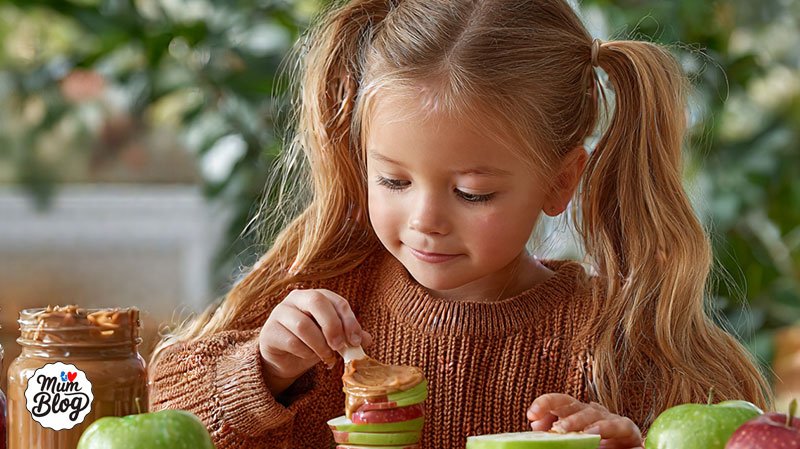
Nut butters (if no allergies) spread on apple slices, banana, crackers, or toast provide protein and healthy fats. Almond butter, sunflower seed butter, or tahini are alternatives if peanut butter isn’t your thing.
Fruits They’ll Usually Accept
Most toddlers accept some form of fruit, though they may be specific about which ones and how they’re prepared. Fresh, frozen, dried, or in pouches — all count.
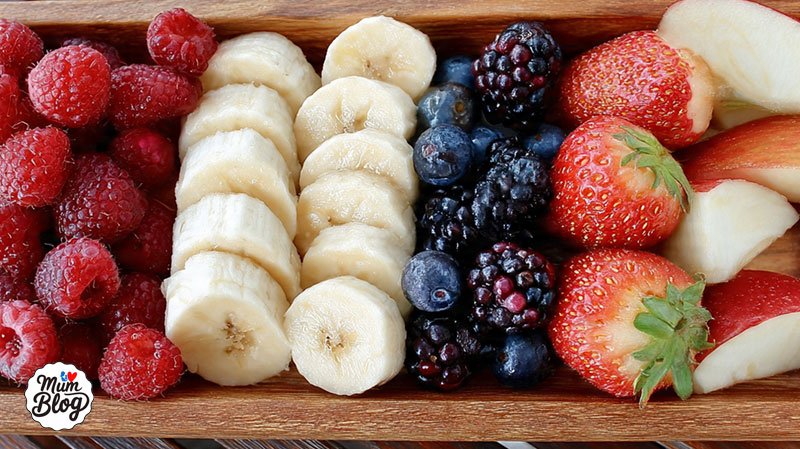
Bananas are a toddler classic. Easy to transport, come in their own wrapper, and can be cut into fun shapes if you’re feeling extra. Apples and pears are good sliced (cut into thin pieces to reduce choking risk for young toddlers). Berries — strawberries, blueberries, raspberries — are usually popular and packed with nutrients.
Frozen fruit works great in summer or for teething toddlers. Frozen blueberries or mango chunks feel like a treat. Dried fruit (raisins, apricots, mango) provides sweetness and portability, though it’s sticky and higher in sugar, so use in moderation.
Fruit pouches get a bad rap but honestly? They’re fine. They’re actual fruit, they’re portable, and kids like them. Not every snack needs to involve chewing.
Vegetables (The Ongoing Battle)
Let’s be real: vegetables are the hardest sell with toddlers. But all is not lost. The key is often in the preparation and presentation.
Raw vegetables with dip often work better than cooked ones. Cucumber slices, bell pepper strips, baby carrots (halved lengthwise for young toddlers), and cherry tomatoes (quartered) with hummus, ranch, or yogurt-based dip become more appealing when there’s dunking involved. Toddlers love dunking.
Roasted vegetables are sweeter and often more accepted than steamed. Roasted sweet potato cubes, butternut squash, or carrots caramelize a bit and taste less “vegetable-y.” Not a snack you’d make in the moment, but great to have leftover from dinner.
Frozen peas straight from the freezer are oddly popular with some toddlers. Cold, slightly crunchy, fun to pick up one at a time. Don’t question it; just accept the win if your kid likes them.
For more strategies on the vegetable situation, our article on feeding picky eaters covers this in depth.
The Beige Food Reality
Many toddlers go through a “beige food” phase where they only want crackers, bread, pasta, nuggets, and cheese. This is developmentally normal and not a reflection of your parenting. The goal isn’t to eliminate beige foods but to make them slightly more nutritious when possible.
Whole grain crackers over refined ones. Whole wheat toast instead of white. Pasta made from chickpeas or lentils if they’ll accept it (some kids notice the difference; some don’t). Cheese on everything, because cheese adds protein.
Pair beige foods with something else when you can. Crackers with cheese. Toast with nut butter. Pretzels with hummus. You’re not replacing the preferred food; you’re adding to it. Sometimes they eat the addition, sometimes they don’t. Both are fine.
Sneaky Nutrition Boosts
When toddlers are in a restrictive eating phase, smoothies become a stealth nutrition delivery system. Frozen fruit, yogurt, milk, and a handful of spinach (they won’t taste it, promise) blend into something that looks like a treat but contains actual nutrients.
Banana “ice cream” — frozen bananas blended until creamy — feels like dessert but is literally just fruit. Add cocoa powder or berries for variety.
Muffins and quick breads can hide vegetables, fruits, and whole grains in a package toddlers recognize as acceptable. Zucchini muffins, banana bread with flaxseed, pumpkin muffins — all good options that feel like treats.
Just don’t tell them what’s in it. “Would you like a muffin?” works better than “Would you like a zucchini spinach flaxseed muffin?” They don’t need to know everything, LOL.
Presentation Tricks
The same food presented differently can get completely different reactions from a toddler. This is annoying but also useful once you figure out your kid’s preferences.
Toothpicks or small skewers make anything more fun (supervise closely with young toddlers). Fruit chunks on a stick = kebabs. Cheese cubes on a toothpick = fancy. Tiny portions on tiny plates feel more manageable than regular servings. Cookie cutters turn sandwiches, cheese, and fruit into shapes. Muffin tins with different snacks in each cup become a “snack tray” that feels like a special event.
Sometimes serving snacks on YOUR plate makes them irresistible. Toddlers want what you’re eating. Use this to your advantage.
Snacks for On-the-Go
Half of toddler eating happens in car seats, strollers, and random park benches. Portable, non-perishable (or at least slow-to-perish) options are essential.
Dry snacks: Cheerios, whole grain crackers, pretzels, dried fruit, puffs (those dissolving baby snacks work for toddlers too). These go in a snack cup and live in your diaper bag permanently.
Semi-perishable: Cheese sticks, yogurt tubes, applesauce pouches, nut butter packets, banana. These need a small cooler bag for longer outings but can survive a few hours.
Pre-packed: Individual cheese portions, small cracker packs, fruit cups, trail mix pouches. More expensive than buying in bulk, but the convenience factor is real when you’re running out the door.
For gear that makes feeding on-the-go easier, our feeding essentials guide has recommendations.
Frequently Asked Questions
My toddler refuses everything except crackers. Should I worry?
Phases of restricted eating are normal. Keep offering variety without pressure. As long as they’re growing appropriately and hitting milestones, they’re probably fine. Mention it to your pediatrician if you’re concerned, but try not to turn it into a power struggle.
How often should toddlers snack?
Most toddlers do best with 2-3 snacks between meals — mid-morning, mid-afternoon, and sometimes before bed. Their stomachs are small, so they need to eat more frequently than adults. But every kid is different; follow their hunger cues.
Should I let my toddler graze all day?
Constant grazing can interfere with appetite at meals. Try to have somewhat defined snack times rather than a constantly available food supply. That said, flexibility matters — a hungry toddler who just woke from a nap doesn’t care that snack time was an hour ago.
How do I handle the “I want what you’re eating” demand?
Use it strategically. If you’re eating something toddler-appropriate, share it. If you’re eating something that isn’t (hello, coffee), offer a similar version (“You can have your milk while I have my coffee”). Eating together and sharing food is actually great for modeling healthy habits.
Keep Offering, Keep Breathing
Feeding toddlers is an exercise in letting go — of expectations, of perfect nutrition, of the belief that what they ate yesterday has any bearing on what they’ll eat today. Your job is to offer nutritious options. Their job is to decide what to eat. The less pressure involved, the better it goes for everyone.
Some days they’ll eat nothing but cheese and crackers. Some days they’ll surprise you by devouring broccoli. Both days, you’re doing a great job. The goal isn’t perfection; it’s exposure, variety, and keeping mealtimes (relatively) peaceful.
Stock your snack arsenal, keep offering the good stuff alongside the accepted stuff, and trust that this phase — like all toddler phases — will eventually pass.
Now if you’ll excuse me, I need to go retrieve the blueberry my toddler just threw under the couch. Again. 😅
Lila.