Last Updated on January 21, 2026 by Lila Sjöberg
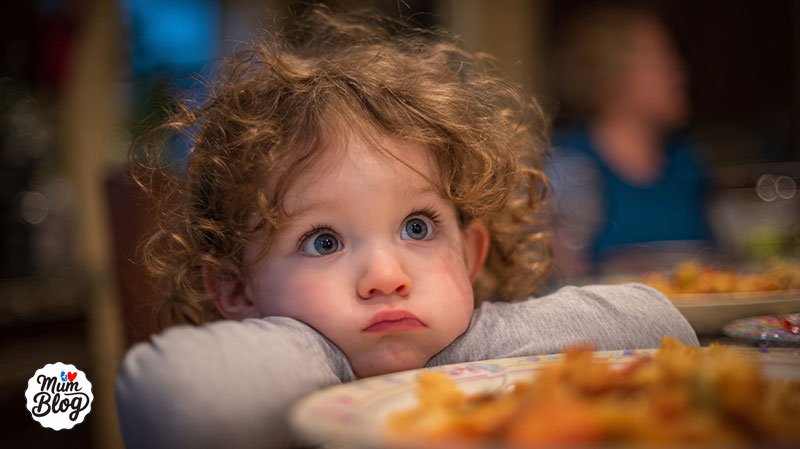
The tiny piece of sweet potato sat on her plate for eleven dinners before she touched it. Eleven. I counted. On the twelfth dinner, she poked it. On the thirteenth, she licked it and made a face like I’d offered her motor oil. On the seventeenth dinner, she ate it — and asked for more. The triumph was sweeter than any Michelin star meal.
Getting kids to try new foods is a marathon, not a sprint, and most of the race is just… waiting. Patiently offering. Not making a big deal. And resisting every urge to beg, bribe, or force. It’s maddening, but there’s actually a science-backed strategy that works.
Key Takeaways
Children may need 10-20 exposures to a new food before they’ll try it — “exposure” means seeing it, not necessarily eating it. Pressure consistently backfires, making kids more resistant and creating negative food associations. Low-key, repeated offering without reaction is more effective than any trick or technique. Modeling matters — kids are more likely to try foods they see parents eating and enjoying. The goal is building a healthy relationship with food exploration, not winning individual food battles.
The Short Answer: Get kids to try new foods by offering them repeatedly without pressure, modeling eating them yourself, making tasting optional and low-stakes, and celebrating small steps (looking, touching, licking) before expecting actual eating. Patience and consistency beat any short-term tactic.
Let’s talk about what the research says — and what actually works in real kitchens.
The Exposure Effect


Research on children and new foods points to one consistent finding: repeated neutral exposure increases acceptance. Kids are naturally suspicious of unfamiliar foods (an evolutionary protection mechanism), and that suspicion fades with familiarity. But “exposure” doesn’t mean forcing a bite. It means the food being present, visible, and normalized.
Each time your child sees a food on the table, smells it, watches you eat it, or has it on their plate (even untouched), that’s an exposure. Over time — studies suggest 10-20 exposures, sometimes more — the brain reclassifies that food from “suspicious foreign object” to “normal food we eat.”
This is why serving a tiny portion of new foods alongside familiar favorites works. The new food is there, no pressure attached, and eventually it becomes just another thing on the plate. The key is patience and consistency, not tricks.
Why Pressure Doesn’t Work
Every instinct says to encourage, coax, or require “just one bite.” But the research is clear: pressure increases food rejection, not acceptance. Kids who are pressured to eat specific foods develop more negative attitudes toward those foods and are less likely to eat them when not being watched.
Pressure creates power struggles, which toddlers and children are hardwired to resist. It also associates the food with negative emotions — anxiety, defiance, the unpleasant feeling of being forced. Not exactly an appetizing combination.
This doesn’t mean you can’t encourage. You can say “This is yummy, do you want to try some?” once. What you’re avoiding is the repeated pressure: “Come on, just try it. One more bite. You need to eat this. You can’t leave the table until you try it.” That’s the stuff that backfires. I would rather say (and I do even to my grown teen): “Come on, just try it. One more bite. You have the right to not like it but try it first.”
The Steps Before Eating
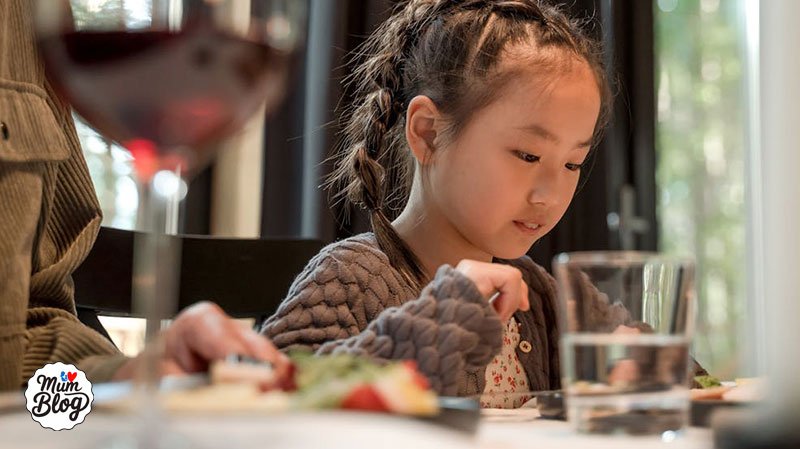
Eating is actually the last step in accepting a new food. Before that comes a whole ladder of acceptance that many parents don’t recognize as progress. Allowing the food on their plate (without a meltdown). Looking at it. Tolerating others eating it nearby. Touching it with a finger. Smelling it. Touching it to their lips. Licking it. Taking a tiny bite and spitting it out.
Each step is progress, even if it doesn’t end in swallowing. A child who licked the broccoli and made a face has moved further along the acceptance ladder than last week when they refused to let it on their plate. Celebrate these micro-steps (internally — outwardly stay neutral) rather than focusing only on the end goal.
Making New Foods Low-Stakes
The less pressure and fanfare around new foods, the more likely kids are to try them. Treat new foods like no big deal. Put them on the plate alongside familiar foods, don’t announce “tonight we’re trying something NEW!” with expectant eyes. Just… serve it.
Keep portions tiny. A tablespoon of new food is less overwhelming than a full serving. It’s also less wasteful when it inevitably gets ignored or rejected. You can always offer more if they want it.
Don’t react much either way. If they try it, a simple “oh, good” is enough — no standing ovations or they’ll realize this is a big deal (and therefore worthy of resistance). If they reject it, no visible disappointment. Just “That’s okay, you don’t have to eat it. It’ll be here if you want to try it.“
The Power of Modeling
Kids learn what’s food by watching the people around them eat. If you want your child to eat vegetables, they need to see you eating vegetables — genuinely, regularly, without making it performative. Of course, if you eat junk food most of the time, it won’t help!
Family meals where everyone eats the same food (or variations of the same food) normalize the foods you want your kids to accept. Watching a sibling eat something can be more powerful than any parental encouragement. If you can arrange for a slightly older cousin or friend to enthusiastically eat the rejected food, you might witness a miracle.
Avoid making separate “kid food” every meal. Serve what you’re eating (with perhaps some modifications for spice level or texture), plus the safe foods you know they’ll eat. The more they see the family foods as normal, the more they’ll eventually join in eating them.
Fun Without Circus
Making food fun can help, but there’s a line between fun and turning dinner into a performance where food has to be entertainment to be edible.
What helps: involving kids in choosing and preparing food. Kids who pick out vegetables at the store or help wash them at home are more likely to try them. Same with cooking — even simple tasks like stirring or sprinkling cheese create ownership.
I’m sure you will like this short video! 😀
What helps: making foods visually appealing or playful. Cutting things into fun shapes, arranging food into patterns, giving foods silly names (“dinosaur trees” for broccoli). Low effort, minimal fuss.
What doesn’t help: elaborate productions that set the expectation that food has to be entertaining. That way lies exhaustion and escalating demands. The goal is normalizing new foods, not making them a circus act.
When They Spit It Out
A child who takes a bite and spits it out has actually done something brave — they tried it. That deserves acknowledgment, not disappointment. “It’s okay if you don’t like it. Thanks for trying. You can spit it into your napkin.”
Try to understand what they didn’t like in it, you’ll get a clue for future experiments.
Teach polite ways to reject food (napkin spit, saying “no thank you” instead of “EWWW GROSS”) but don’t make rejection into a moral failure. Taste preferences are real and valid. The point is exposure and willingness to try, not forcing children to eat things they genuinely dislike.
Frequently Asked Questions
My child won’t even let new foods on their plate. What do I do?
Start with even smaller steps. Put the new food on a separate “tasting plate” in the middle of the table rather than their personal plate. Or on your plate where they can see it. Some kids need distance before proximity. Work up to it being on their plate over time.
How many times should I offer a rejected food before giving up?
There’s no set number — studies suggest 10-20 exposures, but some kids need more. Keep offering periodically (not every single day, that becomes pressure) without expectation. If there’s been zero progress after months, that food might genuinely not be for them, and that’s okay.
Should I make them take “just one bite”?
Experts generally advise against mandatory bites. It creates pressure and power struggles. Instead, make trying optional but encouraged. “You don’t have to eat it, but you’re welcome to try some if you want.” This approach builds more long-term willingness than forced bites.
My child used to eat everything as a baby. What happened?
Totally normal. Many babies are adventurous eaters before toddlerhood hits. Around 18 months-2 years, food neophobia (fear of new foods) kicks in as a developmental stage. It’s frustrating but not a regression — it’s just the next phase. Keep offering, stay patient.
Playing the Long Game
The goal isn’t getting your kid to eat sweet potato at tonight’s dinner. The goal is raising a child who approaches new foods with curiosity instead of fear, who has a healthy relationship with eating, and who — eventually, over years — eats a reasonably varied diet.
That happens through patient, consistent, low-pressure exposure. Not tricks. Not bribes. Not battles. Just time and calm persistence.
Your job is to offer. Their job is to decide. And eventually, on the seventeenth dinner or the thirty-seventh, they’ll surprise you.
For more picky eating strategies, our guide on handling picky eaters goes deeper on the overall approach.
Lila.