Last Updated on March 6, 2026 by Lila Sjöberg
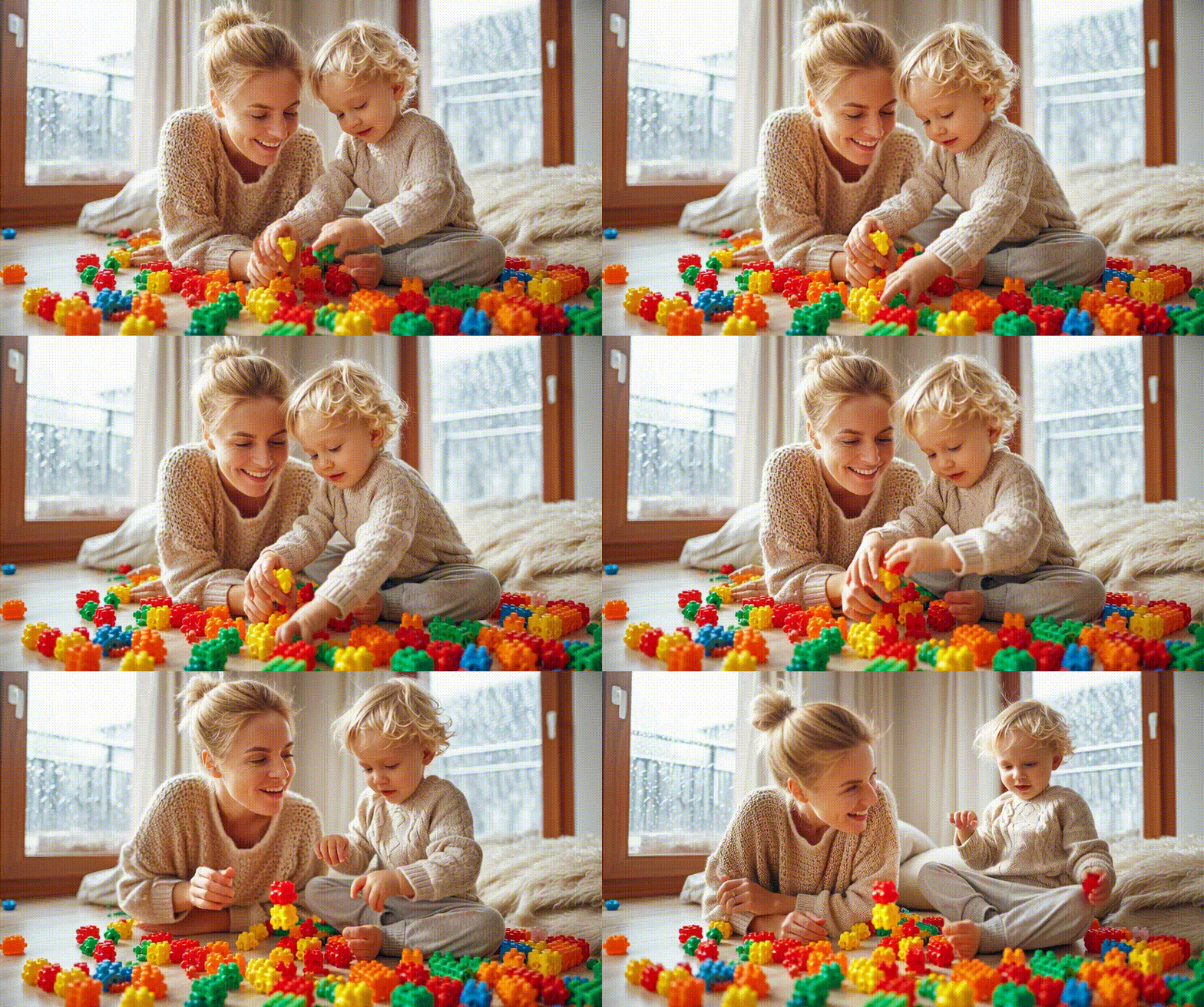
The rain is hammering against the windows, your toddler has asked to go outside fourteen times, and it’s not even 10 AM. I know this scene intimately — I’ve lived it more times than I can count. That restless energy bouncing off the walls, the desperation creeping in as you run out of ideas… sound familiar?
But here’s what I’ve discovered after many rainy days in the trenches: some of our best family memories happen precisely when we’re stuck inside together. So grab that coffee (you might actually finish it warm today!), and let me share the activities that have saved my sanity — and might just save yours too.
Key Takeaways
Indoor play isn’t just about killing time — it’s where real learning and bonding happen. Sensory activities like rice bins and cloud dough build fine motor skills while keeping little hands busy for surprisingly long stretches. Movement activities are non-negotiable for toddlers; an indoor obstacle course or dance party burns energy just as well as the playground. The best rainy day activities use items you already have at home — no emergency craft store runs required. Your participation matters more than the activity itself, so put your phone down and get messy alongside them.
The Short Answer
The best indoor activities for toddlers combine sensory exploration, physical movement, and creative play using everyday household items. Focus on rotating between calm activities and active ones every 30-45 minutes to match your toddler’s natural energy cycles.
Why Indoor Play Matters More Than You Think
Before we dive into the activities, let’s get real about something: indoor play isn’t just a rainy day backup plan. Research from the American Academy of Pediatrics shows that unstructured play — the messy, chaotic, imaginative kind — is essential for cognitive development, emotional regulation, and social skills. When you’re building a blanket fort or squishing playdough together, you’re not just surviving the day. You’re building your child’s brain.
The key to successful indoor play is variety. Toddlers have the attention span of… well, toddlers. Plan to switch activities every 30-45 minutes, alternating between high-energy and calm options. This rhythm prevents meltdowns and keeps the day feeling fresh rather than endless.
Sensory Play Activities
Sensory play is toddler gold. It keeps them engaged, builds neural connections, and — bonus — often buys you enough time to drink an entire cup of coffee while it’s still warm. These activities tap into your child’s natural curiosity about textures, sounds, and how things work.
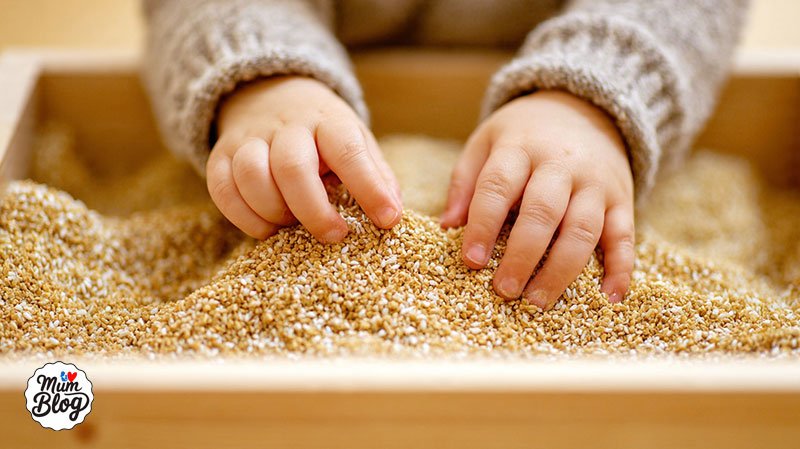
1. Rainbow Rice Sensory Bin
What you need: A large plastic bin, 2-3 cups of uncooked rice, food coloring (optional), small toys, scoops, and cups.
How to do it: Pour the rice into the bin — you can dye it with food coloring and vinegar beforehand if you want to get fancy, but plain rice works perfectly. Hide small toys underneath and let your toddler dig, pour, scoop, and discover. The sound and texture of rice is endlessly fascinating to little ones.
Why toddlers love it: It’s basically a treasure hunt combined with the satisfying sensation of running their fingers through something interesting. The pouring and scooping also develops the same fine motor skills they’ll need for writing later.
Pro tip: Put a shower curtain or old sheet under the bin. You will thank yourself later.
2. Cloud Dough Magic
What you need: 8 cups flour, 1 cup baby oil (or vegetable oil), optional food coloring.
How to do it: Mix the flour and oil together until it forms a crumbly, moldable texture. It should hold its shape when squeezed but crumble apart easily. Add food coloring if desired — just knead it in thoroughly.
Why toddlers love it: Cloud dough has this almost magical quality — it’s soft and silky but can be molded like wet sand. Toddlers can spend ages just squishing it between their fingers before they even start “building” anything.
Pro tip: This one is messy. Embrace it. Set up on a kitchen floor you can sweep, or use a large baking tray to contain the chaos.
3. Sensory Bottle Storm
What you need: Clear plastic bottle with tight lid, water, baby oil, glitter, food coloring, small waterproof items (beads, sequins).
How to do it: Fill the bottle 1/3 with water (add food coloring), then fill most of the remaining space with baby oil. Add glitter and small items. Super glue the lid shut — this is important. Shake and watch the “storm” settle.
Why toddlers love it: The swirling, settling motion is genuinely mesmerizing. It’s also a great calm-down tool when emotions run high.
Pro tip: Make a few different bottles with different colors and items. They become a collection your toddler will return to again and again.
Creative Play Activities
Creative activities let toddlers express themselves and experiment with cause and effect. Fair warning: these will be messy. That’s the point. The mess washes off; the memories and skills don’t.
4. No-Rules Finger Painting
What you need: Washable finger paints, large paper (butcher paper works great), smocks or old clothes, wet wipes nearby.
How to do it: Tape paper to the table or floor. Put out a few colors. Step back and let your toddler go wild. Resist the urge to direct or suggest — this is their exploration time.
Why toddlers love it: The freedom. There’s no right or wrong way to smoosh paint around, and that’s incredibly liberating for little people who spend most of their day being told what to do.
Pro tip: For easier cleanup, do this activity right before bath time. Paint covered toddler goes straight into the tub.
5. Tear-and-Stick Collage
What you need: Old magazines, junk mail, tissue paper, glue stick, cardboard or thick paper base.
How to do it: Let your toddler tear paper into pieces (great for fine motor skills) and glue them onto the base however they want. No scissors needed for this age — tearing is actually better for development.
Why toddlers love it: Tearing paper is satisfying in a slightly destructive way that toddlers find deeply appealing. Plus, they get to make choices about colors and placement.
Pro tip: Frame the finished collage. Toddlers beam when their art is displayed like it matters — because it does.
6. Homemade Playdough Session
What you need: 1 cup flour, 1/2 cup salt, 2 tbsp cream of tartar, 1 cup water, 1 tbsp oil, food coloring.
How to do it: Mix dry ingredients in a pot, add wet ingredients, cook over medium heat stirring constantly until it forms a ball. Cool and knead. Add cookie cutters, plastic knives, rolling pins, or just hands.
Why toddlers love it: Playdough is the ultimate open-ended toy. It can be anything — snakes, cookies, a “cake” for you, random lumps that are apparently very important.
Pro tip: Homemade playdough lasts 2-3 months in an airtight container and costs almost nothing to make. Worth the 10 minutes. If you’re looking for more hands-on activities that build skills while having fun, our creative play guide has more ideas.

Movement Activities
Toddlers need to move. Their bodies are literally built for constant motion, and trying to keep them still all day is a losing battle. These activities channel that energy productively so everyone stays sane.
7. Living Room Obstacle Course
What you need: Couch cushions, pillows, blankets, chairs, pool noodles, tape (for lines to balance on).
How to do it: Create stations: crawl under a blanket tunnel, walk along a tape line, climb over cushion mountains, jump into a pillow pile. Make it a loop so they can do it repeatedly.
Why toddlers love it: It’s physical, it’s challenging, and it transforms boring furniture into an adventure. The sense of accomplishment when they “finish” is huge.
Pro tip: Change one element each time through to keep it interesting. Add a stuffed animal to rescue, a bell to ring at the end, or a new “lava” section to avoid.
8. Dance Party Extravaganza
What you need: Music (phone, speaker, or just singing), space to move, optional: scarves, ribbons, or instruments.
How to do it: Put on music and dance. That’s it. Copy your toddler’s moves, introduce your own, make it silly. Mix up tempos — fast songs for jumping around, slow songs for swaying.
Why toddlers love it: Movement plus music plus your full attention equals toddler heaven. They especially love when you look ridiculous.
Pro tip: Create a “dance party playlist” you can pull up instantly. Having music ready removes a barrier to starting.
9. Freeze Dance Challenge
What you need: Music with a clear beat, ability to pause it quickly.
How to do it: Dance when the music plays, freeze when it stops. Start with long dancing periods and short freezes, then gradually make freezes longer and more frequent as they get the hang of it.
Why toddlers love it: The anticipation of when the music will stop adds excitement. It’s also teaching impulse control without them realizing it.
Pro tip: Freeze in silly poses yourself. The sillier you are, the more they’ll laugh and want to keep playing.
Imagination Activities
Imaginative play is where toddlers process their world, practice social scenarios, and develop language skills. These activities create spaces for that magic to happen.
10. Ultimate Blanket Fort
What you need: Blankets, sheets, couch cushions, chairs, clothespins or chip clips, pillows, flashlight.
How to do it: Drape blankets over furniture to create an enclosed space. Fill with pillows and soft toys. Add a flashlight for extra coziness. Bring in books, snacks, or quiet toys.
Why toddlers love it: Forts create a small, cozy world that feels special and separate from regular life. It’s their own space within your shared space.
Pro tip: Get in the fort with them. Read stories by flashlight. This is prime bonding territory.
11. Dress-Up Drama
What you need: Old clothes, scarves, hats, costume jewelry, shoes (adult sizes are extra fun), a mirror.
How to do it: Set up a “dress-up station” with accessible items. Let your toddler transform into whoever they want to be. Play along — if they’re a doctor, be the patient. If they’re a chef, order food.
Why toddlers love it: Trying on different identities is how they understand the world. Plus, wearing your shoes is basically the best thing ever when you’re two.
Pro tip: Keep a dedicated dress-up box or bin. Thrift stores are goldmines for cheap costume pieces.
12. Sock Puppet Theater
What you need: Old socks, markers or googly eyes, yarn for hair, a “stage” (back of couch, cardboard box, or just your hands).
How to do it: Make simple puppets together — even just drawing eyes on a sock works. Put on shows for each other. Make voices, create characters, tell familiar stories or make up new ones.
Why toddlers love it: Puppets let them express things they might not say directly. The puppet can be brave, scared, silly, or grumpy in ways they’re still learning to articulate.
Pro tip: Let their puppet “talk” to your puppet rather than directly to you. It often opens up surprising conversations.

Learning Through Play Activities
Every activity in this list involves learning, but these specifically tap into early math, science, and problem-solving concepts. Don’t worry — your toddler won’t know they’re being educated. They’ll just think they’re having fun.
13. Color Scavenger Hunt
What you need: Nothing — just your home and imagination.
How to do it: Call out a color and race to find something that color. Take turns choosing colors. For older toddlers, make it more specific — “find something red and soft” or “find three blue things.”
Why toddlers love it: It’s a treasure hunt through their own home, which somehow makes familiar spaces exciting again. The running around doesn’t hurt either.
Pro tip: End with a favorite color and let them “win” by finding it first. Ending on a high note matters.
14. Kitchen Helper Cooking
What you need: Simple recipe (think banana bread, cookies, or pizza), measuring cups, bowls, wooden spoon, step stool.
How to do it: Involve your toddler in age-appropriate tasks: pouring pre-measured ingredients, stirring, pressing cookie cutters, spreading sauce. Talk through what you’re doing and why.
Why toddlers love it: They get to do “real” work alongside you. The sense of contributing to something the whole family will enjoy is powerful. If you’re looking for toddler-friendly recipes to try together, our healthy toddler meals collection has great options.
Pro tip: Lower your expectations for efficiency. Cooking with a toddler takes three times as long and makes four times the mess. That’s okay. The experience is the point.
15. DIY Bowling Alley
What you need: Empty plastic bottles (6-10), a soft ball, hallway or open floor space, optional decorations for bottles.
How to do it: Set up bottles in a triangle formation. Roll the ball to knock them down. Count how many fell, set them up, repeat. Let your toddler experiment with distance and force.
Why toddlers love it: Knocking things down is inherently satisfying. Adding counting makes it feel like a “big kid” game.
Pro tip: Add a little water or rice to bottles to make them slightly harder to knock over. Adjustable difficulty keeps it interesting longer.
Making It Through the Whole Day
Here’s a realistic rainy day schedule that alternates energy levels and prevents everyone from losing their minds:
Morning Block: Start with something active (obstacle course, dance party) to burn off that fresh morning energy. Follow with a sensory activity (rice bin, cloud dough) that requires focus and brings the energy down.
Midday Break: Lunch, quiet time or nap. Use this time to prep afternoon activities or, revolutionary idea, rest yourself.
Afternoon Block: Creative activity (painting, collage) transitioning into imaginative play (fort building, dress-up). End with something calm as you approach dinner time.
Evening Wind-Down: Kitchen helper cooking for dinner, then quiet activities like puzzles or books before bedtime routine.
The key is accepting that you won’t do all 15 activities in one day. Pick 3-4 and rotate through them. Save the rest for the next rainy day — because there will definitely be a next one.
Rainy Day Indoor Activities FAQ
How do I keep my toddler engaged when they lose interest quickly?
Switch activities every 30-45 minutes, which matches most toddlers’ natural attention spans. Also, introduce variations within activities — if they’re bored with the rice bin, add new tools or hide different toys. Sometimes a small change refreshes their interest completely.
What if I don’t have craft supplies at home?
Most activities here use household items. Rice, flour, oil, old magazines, blankets, and empty bottles are probably already in your home. The best toddler activities rarely require special purchases — creativity beats supplies every time.
How do I manage the mess without losing my mind?
Contain activities to specific areas (kitchen floor for sensory play, bathroom for painting). Use shower curtains or old sheets under messy activities. Schedule messy play right before bath time. Accept that some mess is part of the deal — and remind yourself it’s temporary.
My toddler only wants to watch TV on rainy days. How do I redirect?
Start the day with an active activity before screens become the request. If they’re already asking, offer a choice between two non-screen activities instead of a yes/no on TV. And remember — some screen time is okay. You don’t have to entertain them every second. For more on finding that balance, check our guide to toys that encourage active play.
These activities seem designed for one child. What about siblings?
Most activities work for multiple kids with small adjustments. Give each child their own sensory bin or playdough ball to prevent conflicts. For collaborative activities like fort building, assign roles. Older siblings can “teach” younger ones, which benefits everyone.
Now, I’m a working mom from home, how can I handle this?
Set up one or two “independent play” activities first thing — sensory bins and playdough are great because they hold attention longer. Position them where you can see your toddler while you work. Save high-engagement activities (dance parties, obstacle courses) for your scheduled breaks. Prep everything the night before so you’re not scrambling. And be realistic: you won’t get a full workday of focus on a rainy day home with a toddler. Block your hardest tasks for nap time, use screen time strategically when you need an uninterrupted call, and give yourself grace. You’re doing two jobs at once — that’s not a productivity failure, that’s reality. For more on managing the mental load, our working mom burnout guide has practical strategies.
Embrace the Rainy Day Magic
Here’s the truth: rainy days with toddlers can be hard. Really hard. But they can also be unexpectedly wonderful. When you’re stuck inside together with nowhere to be, there’s an opportunity to slow down, get silly, and connect in ways that busy regular days don’t allow.
Here’s what I want you to remember when the next rainy day hits: your kids don’t need elaborate setups or expensive toys. They need you — present, engaged, and willing to get a little messy alongside them. The rice will get everywhere. The paint might end up on the dog. The blanket fort will collapse spectacularly at least twice.
And years from now, when they’re too big for blanket forts and too cool for dance parties, you’ll miss these chaotic, joyful, exhausting rainy days more than you can imagine right now. So what are you waiting for? The rain is your invitation.
I’d love to hear which activities become favourites in your house.
Lila.