Last Updated on January 27, 2026 by Lila Sjöberg
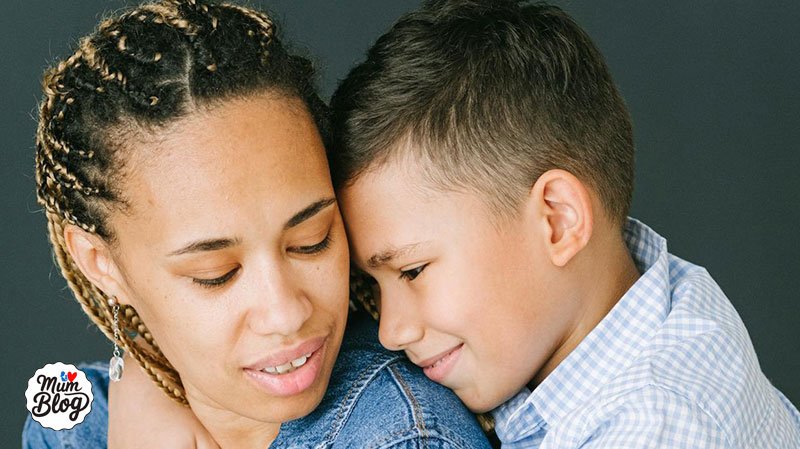
Can I confess something? The first time my son came to me genuinely heartbroken over something, I panicked. I wanted to fix it immediately, minimise it, or distract him from the pain. It is okay, do not cry, want some ice cream? was not exactly the emotionally intelligent response I had hoped to model. Learning to help our kids navigate big feelings often means learning to sit with discomfort ourselves — theirs and our own. Are you ready to get a little uncomfortable together?
Key Takeaways
Children need to experience all emotions, including difficult ones — your job is to help them feel those feelings safely, not to prevent negative emotions. Naming emotions helps children understand and regulate them; the simple act of labelling what they are feeling reduces the emotional intensity. Your reaction to their emotions teaches them whether feelings are safe to express or must be hidden; staying calm and accepting creates emotional safety. You do not need to fix their feelings — often your presence and acknowledgment is what they actually need.
The Short Answer



Talk to kids about feelings by naming emotions, validating their experience, staying calm and present, and resisting the urge to fix or minimize. Simple phrases like it makes sense that you feel that way and I am here with you provide the safety children need to process big emotions.
Why This Matters So Much
How we respond to our children’s emotions shapes how they relate to their own inner world for life. Children whose feelings were dismissed, minimized, or punished often grow into adults who struggle to identify, express, or regulate emotions. Children whose feelings were met with calm acceptance develop emotional intelligence and resilience.
Here is the reassuring truth: you do not need to handle this perfectly. You need to handle it well enough, consistently enough, that your child learns their emotions are safe and manageable. That is achievable even if your own emotional education was lacking.
Start with Naming
Young children feel emotions intensely but often cannot identify what they are feeling. That unnamed, overwhelming sensation is scary. When you name it, you help them understand their experience and begin to gain control over it.
It looks like you are feeling frustrated. You seem really sad right now. That must have felt scary. Simple observations, without judgment or attempts to change the feeling, help children build emotional vocabulary.
With very young children, start with basic emotions: happy, sad, mad, scared. As they grow, introduce more nuanced vocabulary: disappointed, embarrassed, anxious, jealous, overwhelmed. The more precise they can be about their emotional experience, the better they can communicate needs.

Books and media can help with this too. When characters in stories experience emotions, pause and name them. How do you think she is feeling right now? Have you ever felt like that? This creates safe distance to explore emotions before they are in the middle of experiencing them.
Validation Changes Everything
Validation does not mean agreeing with their perception or giving them what they want. It means acknowledging that their feeling makes sense given how they see the situation. This distinction is crucial.
When your child is devastated that their tower fell down, of course they are upset — they worked hard and wanted it to stand. When they are furious about leaving the playground, of course they are angry — they were having fun and do not have adult perspective on schedules. Their reaction makes sense from their viewpoint.
Phrases that validate: I understand why you feel that way. It makes sense that you are disappointed. That must be really hard. You were so excited, and now you are let down — that is a big feeling.
What validation is NOT: You are right, your sister is terrible. Fine, we will stay at the playground forever. Validation acknowledges feelings without abandoning boundaries or agreeing with inaccurate interpretations.
The Urge to Fix (And Why to Resist It)
When our children hurt, we hurt. The impulse to make it stop is powerful — for them and for us. But jumping to fix mode often backfires.
Children who are immediately distracted from emotions or offered solutions before being heard learn that feelings are problems to be eliminated rather than experiences to be processed. They miss the chance to develop their own coping skills. And often, they do not actually feel better — they feel unheard.
Try sitting with the feeling first. Simply be present without offering solutions. Let there be silence. Wait for them to ask for help rather than assuming they need rescue. Sometimes they just need you to witness their experience, not fix it.
This is hard. I still catch myself launching into problem-solving mode when what my kids really need is just I am here with you. It is a practice, not a destination.
Handling Your Own Reactions
Your child’s big emotions might trigger your own. Their anger might make you angry. Their sadness might feel overwhelming. Their anxiety might spike yours. This is normal — and worth examining.
If you notice yourself becoming dysregulated when your child is emotional, pause before responding. Take a breath. Recognize that their emotion does not require you to match it. You can be their calm in the storm — but only if you regulate yourself first.
Old messages from your own childhood might surface: Do not be a baby. You are overreacting. Stop crying or I will give you something to cry about. Notice these without acting on them. You can choose to respond differently than you were responded to.
Our self-care guide offers practical strategies for managing your own emotional reserves so you have more capacity for your children’s needs.
Specific Scenarios and Scripts
Sometimes it helps to have actual words ready. Here are some common situations:
When they are angry: You are really mad right now. It is okay to feel angry. It is not okay to hit. What can you do with those angry feelings?
When they are sad: You are feeling so sad. I am right here with you. Sometimes we just need to be sad for a while.
When they are scared: That feels really scary to you. I understand. What would help you feel safer? I am here to keep you safe.

When they are disappointed: You were really hoping for that, and it did not happen. That is disappointing. It is hard when things do not go the way we wanted.
When they are jealous: It seems like you wish you had what your friend has. That feeling is called jealousy, and lots of people feel it sometimes. What do you think would help?
Big Feelings About Hard Topics
Sometimes children’s big feelings are about genuinely hard things: death, divorce, illness, world events. These require the same approach — naming, validating, being present — with age-appropriate honesty added.
Answer questions truthfully but simply. You do not need to provide more information than they are asking for. Follow their lead on how much they want to discuss. Return to the topic if they bring it up again, knowing that children often process big things in pieces.
It is okay to show your own emotions about hard things. Crying when grandma dies shows them that grief is normal and safe to express. The goal is not to be emotionless — it is to be regulated enough to still be present for them while having your own genuine responses.
Talking About Feelings FAQ
What if I grew up in a family that did not talk about feelings?
Many of us did, and we are learning now. Start small. Notice and name your own emotions. Practice with easier feelings before tackling hard ones. Read books about emotional intelligence. It gets easier with practice, and your kids benefit from watching you learn.
My child will not talk to me about their feelings. How do I get them to open up?
Do not force direct conversation. Create opportunities through parallel activities where talking is less intense. Share your own feelings at appropriate times. Comment on characters’ emotions in stories. Build trust that you will not dismiss or lecture when they do share. Some children process internally and may never be big talkers — that is okay too.
Is it okay to tell kids not to cry?
Crying is a healthy emotional release. Telling children not to cry teaches them to suppress emotions rather than process them. Instead, try staying with them while they cry, offering comfort if wanted, and trusting that the tears will pass. It is okay to cry is a message that serves them for life.
How do I talk about feelings when I am overwhelmed myself?
Sometimes you cannot, and that is honest. I am feeling really overwhelmed right now, so I need a few minutes to calm down before we talk about this. Can we sit together quietly or talk in five minutes? This models self-regulation and teaches that even adults need space sometimes.
The Feelings Your Kids Really Need to Feel
Here is something counterintuitive: your job is not to make your children happy all the time. It is to help them feel the full range of human emotions safely. Children who never experience disappointment do not learn resilience. Children who are protected from all frustration do not develop patience. Children whose sadness is always immediately fixed do not learn they can survive hard feelings.
You are not failing when your child is upset. You are parenting a human being who has human emotions. The goal is raising adults who can navigate their inner world — and that requires practice with the full range.
So next time your child comes to you with big feelings, take a breath. Resist the urge to fix. Name what you see. Validate their experience. Stay present. You are teaching them something that will serve them for the rest of their lives.
How are you navigating emotions in your house? I would love to hear what is working — and what still feels hard. We are all learning this together.
Lila.