Last Updated on March 8, 2026 by Lila Sjöberg
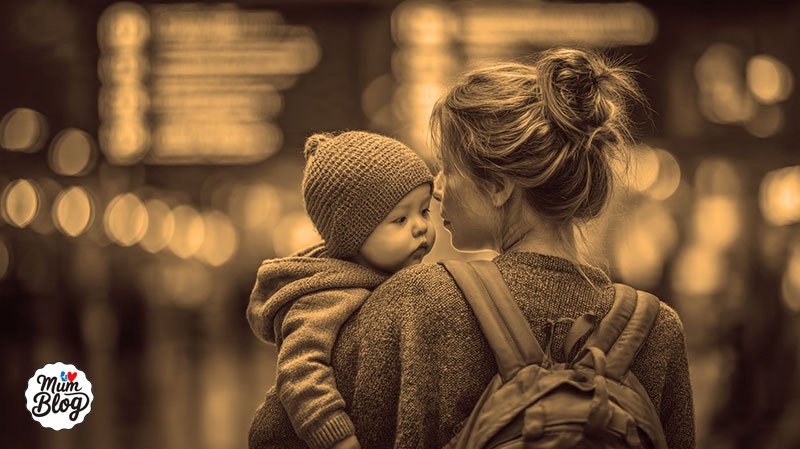
The first time we took our newborn on a plane, I packed like we were preparing for a month-long expedition. Three bags of baby supplies, backup outfits for every scenario, enough diapers for a small daycare. We were gone for three days. Now, several trips later, I’ve learned what actually matters — and what just weighs you down.
Key Takeaways
Traveling with a newborn is very doable with the right preparation and realistic expectations. Time flights around sleep schedules when possible, pack smart rather than packing everything, and build in extra time for the unexpected. Baby needs to eat, sleep, and be changed — the location doesn’t fundamentally change these needs.
The Short Answer: Focus on the essentials: safe car seat, sufficient diapers and feeding supplies, and a few comfort items. Plan around baby’s schedule, expect disruptions, and remember that babies are surprisingly adaptable travelers when their basic needs are met.
Here’s what I’ve learned about traveling with tiny humans.
When Is It Safe to Travel?
Most pediatricians clear healthy, full-term babies for travel after the first one to two weeks of life. The concern isn’t travel itself but exposure to crowds and germs when baby’s immune system is brand new. If your baby has health concerns, check with your doctor before making plans.
For air travel, most airlines allow babies to fly at two weeks old, though some require a week or even just two days. Check your airline’s specific policy. Flying with a newborn isn’t medically risky for healthy babies — the cabin pressure doesn’t harm tiny ears any more than adult ones.
Car travel has no real restrictions beyond having a properly installed car seat. Even day-old babies leave the hospital in cars. For longer drives, plan stops every two to three hours — baby shouldn’t stay in the car seat for extended periods, and everyone benefits from breaks.
Planning Around Baby’s Schedule
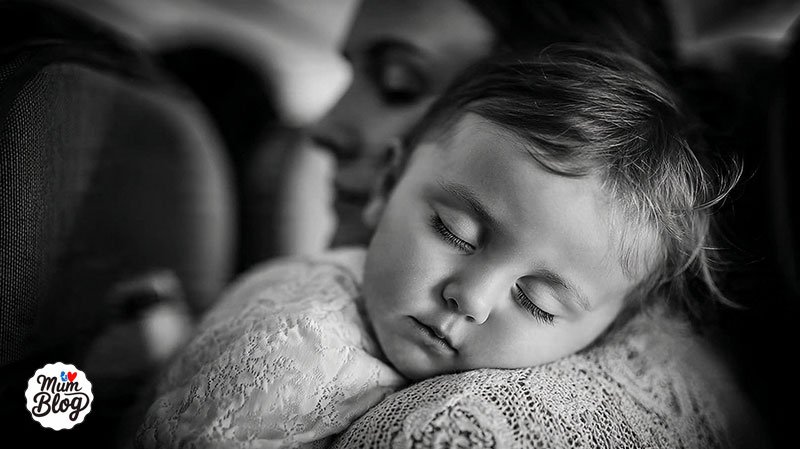
If possible, time travel around sleep. A baby who sleeps through a flight or naps during a long drive makes the trip infinitely easier. Night flights work well for some families; others find early morning departures better timed with natural morning naps.
Don’t expect perfect schedule adherence while traveling. New environments, disrupted routines, and stimulation all affect baby’s sleep and mood. Build flexibility into your expectations and your itinerary.
On arrival, try to get baby into the local time zone quickly. Lots of natural light during the day and a quiet, dark sleep environment at night help circadian rhythms adjust. Most babies adapt within a few days.
What to Pack: Less Than You Think
The temptation to pack everything overwhelms most new traveling parents. Resist it. Most destinations have stores where you can buy forgotten items, and overpacking creates its own stress.
Diapers and wipes are non-negotiable. Pack enough for the journey plus a buffer, but unless you’re going somewhere remote, you can buy more at your destination. Same with formula if you’re using it — bring enough for travel plus a day or two, then purchase there.
Bring a few changes of clothes for baby and at least one for yourself. Blowouts and spit-up happen, often mid-travel. Layers work well since temperatures vary between planes, cars, and destinations.
For sleep, bring your portable sleep solution — a travel bassinet, play yard, or whatever safe sleep setup you’re using. Hotels sometimes provide cribs, but quality and availability vary. Your own familiar sleep environment helps baby settle in unfamiliar places.
Our on-the-go gear guide covers specific products that make travel with babies easier.
Car Seat Essentials
Your car seat is the most important piece of travel equipment. A good baby carrier is a close second for navigating airports and new destinations. Baby needs to be in a properly installed car seat for any car travel, including taxis and rideshares.
For flights, you can check car seats at the gate for free on most airlines. Some parents bring the car seat onboard if they’ve purchased a seat for baby — this is the safest option for air travel and lets baby sleep in their familiar seat.
If you’re renting a car, you can usually rent a car seat too, but quality varies and installation might not be done correctly. Bringing your own gives you certainty. Car seat travel bags protect against damage during handling.
Inspect your car seat after any flight. Gate-checked seats get tossed around, and visible damage means the seat may no longer be safe. When in doubt, replace it.
Feeding on the Go
Breastfeeding is logistically simpler for travel — no supplies to pack or prepare. Nursing during takeoff and landing helps baby’s ears adjust to pressure changes. A nursing cover or scarf provides privacy if you want it, though you have the legal right to nurse anywhere.
Bottle feeding requires more planning. Formula and breast milk are allowed through airport security in quantities exceeding the normal liquid limits — just declare them at the checkpoint. Bring more than you think you need in case of delays.
Pack ready-to-feed formula for flights if you usually use powder. Mixing powder at thirty thousand feet with turbulence isn’t fun. Ready-to-feed eliminates that hassle.
Bring extra bottles or plan to wash on the go. A small bottle brush and dish soap in a ziplock bag handles basic cleaning. Sterilizing isn’t strictly necessary for healthy older babies but might matter for newborns.
Surviving the Actual Travel Day
Give yourself way more time than you think you need. Security with a baby takes longer. Diaper changes happen at inconvenient moments. Feeding might need to happen right before boarding. Stress decreases when you’re not rushing.
Dress baby (and yourself) for easy access. Layers that don’t require full undressing for diaper changes. Slip-on shoes for yourself since you might be holding baby through security. Comfortable, flexible clothing all around.
Pack a carry-on or diaper bag that’s extremely organized. Know exactly where the diapers, wipes, change of clothes, and feeding supplies are. Digging through a chaotic bag while holding a fussy baby is not fun.
Accept that things might go sideways. Babies cry, diapers explode, delays happen. Other passengers might give you looks. Breathe through it, handle what you can, and know that the journey eventually ends...soon. 😅
Frequently Asked Questions
Do babies need their own seat on airplanes?
Babies under two can fly as a “lap infant” for free or reduced price on most airlines. However, the FAA recommends babies fly in a car seat in their own purchased seat for safety. Lap babies, while allowed, aren’t restrained during turbulence.
How do I handle ear pressure for my baby?
Feeding (nursing or bottle) during takeoff and landing encourages swallowing, which helps equalize ear pressure. A pacifier works too. Babies don’t need the eardrops or special measures adults sometimes use — the swallowing motion naturally helps.
What if my baby won’t stop crying on the plane?
Try everything you’d try at home: feeding, changing, walking the aisle, pacifier, rocking, shushing. Sometimes nothing works and you just have to ride it out. Most passengers are more understanding than you’d expect, and the noise of the plane drowns out a lot. It will end.
Should I worry about germs during travel?
Reasonable precautions are smart: hand washing, limiting direct contact with many strangers, keeping baby covered in crowded areas. But don’t let germ fear prevent necessary or desired travel. Babies encounter germs everywhere; travel isn’t uniquely risky.
How long of a trip is reasonable with a newborn?
This depends on your comfort level and the purpose of the trip. Some families do cross-country flights with two-week-olds for important events; others prefer waiting a few months for optional trips. There’s no right answer — only what works for your family.
Traveling with a newborn expands your world rather than shrinking it. Yes, it takes more planning. Yes, it’s more tiring than pre-baby travel. But babies are portable, their needs are simple, and experiences as a family — even during the newborn phase — create memories worth having.
Pack smart, stay flexible, and enjoy the adventure.
Lila.