Last Updated on July 10, 2026 by Lila Sjöberg

There’s a specific pitch of toddler scream that only emerges at dinnertime. It’s triggered by unforgivable offenses like “the pasta is touching the sauce” or “this is not the blue cup” or simply “I wanted it DIFFERENT.” You’ve spent whatever energy you had left on making food, and now the tiny dictator has collapsed into a heap of feelings because the banana broke in half.
Dinnertime meltdowns are a special kind of parenting torture. You’re tired, hungry, trying to get food into small humans, and instead you’re navigating a emotional crisis over bread crust. Let’s talk about why this happens and — more importantly — how to survive it.
Key Takeaways
Dinnertime meltdowns are often about tiredness and hunger — the “witching hour” is real and biological, not behavioral. Lowering expectations for dinner (both food and behavior) during hard developmental phases preserves everyone’s sanity. Prevention through earlier mealtimes and bridge snacks can reduce meltdowns significantly. Staying calm yourself is the most effective intervention — your regulation helps them regulate. Some nights, good enough is good enough.
The Short Answer: Survive dinnertime meltdowns by understanding they’re driven by end-of-day exhaustion (yours and theirs), moving dinner earlier if possible, offering a bridge snack, keeping your own calm, simplifying expectations, and accepting that some dinners will just be hard. This phase doesn’t last forever, hopefully.
Let’s get into the weeds of what actually helps.
Why Dinner Is Ground Zero





The witching hour is real. Between roughly 4-7 PM, kids (and parents) hit a low point. Everyone’s tired from the day, blood sugar is dipping, sensory systems are overloaded, and the ability to cope with anything is at rock bottom.
Now add: hunger (which creates its own irrationality), the transitions involved in dinner (stopping play, coming to the table, facing food that may not be exactly what they wanted), and parental stress (you’re tired too, and dinner prep while managing children is no joke).
The meltdown isn’t about the broken banana. The broken banana is just the final straw on a pile of accumulated end-of-day stress. Your child isn’t manipulative or broken — they’re a small human who has used up all their coping resources for the day and can’t handle one more thing going “wrong.”
Prevention: The Bridge Snack
One of the most effective meltdown prevention strategies is simple: don’t let them get too hungry before dinner. A small snack around 4 PM takes the edge off the hunger that makes everything worse.
Keep it simple and not too filling — some cheese and crackers, a piece of fruit, a handful of cereal. Enough to stabilize blood sugar without ruining dinner appetite. Some parents worry this will mean kids don’t eat dinner, but a starving, melting-down child doesn’t eat dinner either. The bridge snack often results in a calmer kid who eats more at the actual meal.
Prevention: Earlier Dinner
If meltdowns happen consistently, consider whether dinner is too late. Young kids often do better with dinner at 5 or 5:30 rather than 6 or 6:30. Yes, this might mean eating before a working parent gets home, or doing a modified family dinner. But a peaceful 5:15 dinner beats a meltdown-filled 6:30 dinner.
Some families split the difference: kids eat most of their dinner earlier, then join adults at the table for a small portion or dessert when the second parent arrives. Not ideal, but better than nightly battles.
In-the-Moment: Stay Calm
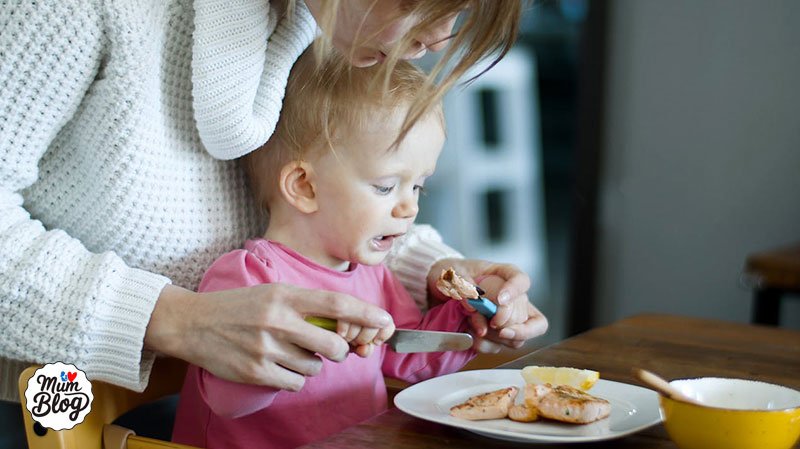
I know. Staying calm when someone is screaming about cup color while dinner gets cold is basically superhuman. But here’s the thing: your calm is the most powerful tool you have. Kids co-regulate with their caregivers — your nervous system helps regulate theirs. If you escalate, they escalate. If you can stay grounded, they have something to anchor to.
This doesn’t mean you have to feel calm. It means you don’t add fuel to the fire. Low voice, slow movements, minimal words. “I see you’re upset. The banana broke. That’s frustrating.” Acknowledge without fixing, without lecturing, without matching their intensity.
Take a breath before reacting. If you need to, briefly step away (if safe to do so). Your nervous system regulation is a skill, not a character trait — and dinnertime tests it hard. If you lose your cool sometimes, you’re human. Repair afterward and try again tomorrow.
Our guide on mom rage addresses what happens when your own regulation capacity is depleted.
In-the-Moment: Validate and Move On
The meltdown is about feelings, not food. Validate the feeling without necessarily fixing the “problem.” “You wanted the banana whole and it broke. That’s disappointing.” You don’t have to produce a new banana (you can’t un-break it anyway). You’re just acknowledging their experience.
Then: don’t dwell. After a brief acknowledgment, gently move on. “I’m here when you’re ready. Your dinner is waiting.” Continue eating your own food calmly. Don’t hover over their meltdown or try to reason them out of it — logic doesn’t work on a dysregulated child.
Some kids need physical comfort (hugs, lap sitting) to calm down. Others need space. You know your child. But either way, lengthy negotiations about the banana are unlikely to help.
Lower the Bar
During hard phases, it’s okay to lower dinner expectations dramatically. Dinner doesn’t have to be a proper sit-down affair every night. It doesn’t have to be homemade. It doesn’t have to be nutritionally perfect.
Some nights, dinner is cheese and crackers and apple slices eaten at the coffee table while watching a show because everyone needs calm more than they need a “proper” dinner. Some nights, you outsource to pizza delivery and don’t apologize for it. Some nights, breakfast food is dinner because it’s easy and everyone will eat it.
Our toddler meal ideas include plenty of low-effort options for exactly these survival moments.
Don’t Make Eating a Battle
If the meltdown is about food itself — not wanting what’s served, wanting something else — avoid the trap of making eating into a power struggle. Serve what you’re serving, including at least one safe food they’ll usually eat, and let them decide what and whether to eat from what’s offered.
You don’t have to make a separate meal because they’re crying. You also don’t have to force them to eat. “This is what’s for dinner. You don’t have to eat it if you don’t want to.” Then let it go. A child who refuses dinner and goes to bed a little hungry will not suffer harm and will often eat better at breakfast.
When to Abandon Ship
Sometimes the kindest thing is ending the meal. If the meltdown is epic and clearly not resolving, it’s okay to say “It seems like dinner isn’t working right now. Let’s be done. You can have a small snack later if you’re hungry.” Clean up, move on, try again tomorrow.
This isn’t letting them “win” — it’s recognizing that nothing productive happens when a child is that dysregulated, and prolonging the situation helps no one. Living to fight another day (or eat another dinner) is a valid strategy.
But sometimes, giving up can be a trigger to have your kid finally eating what he/she was supposed to eat, why? because he/she’s angry! 😃
Frequently Asked Questions
Should I just give them what they want to avoid meltdowns?
There’s a balance. Accommodating some preferences is fine and reduces unnecessary battles (using the blue cup costs you nothing). But short-order cooking entirely different meals on demand teaches that meltdowns get results. Serve one meal with a safe food included, accommodate easy preferences, hold the line on not being a restaurant.
My kid melts down every single night. Is this normal?
Daily meltdowns during certain developmental phases can be normal, though exhausting. If it’s truly every night with no improvement, consider whether the schedule needs adjusting (earlier dinner, more snacks), whether sensory issues are at play, or whether there’s an underlying issue worth discussing with your pediatrician.
How do I handle it when I have multiple kids and one is melting down?
Triage. Make sure the melting-down child is safe, then attend to them briefly before returning attention to the other kids. Sometimes you can involve older siblings: “Can you help your brother for a minute while I help your sister calm down?” It’s not fair to anyone, but it’s survival. Our feeding different ages piece addresses some of these dynamics.
What if I’m the one who loses it at dinnertime?
You’re human. Apologize to your kids (“I’m sorry I yelled. I was frustrated. That wasn’t okay.”), take care of yourself, and try again. If dinnertime consistently pushes you past your limits, look at what you can change — simpler meals, earlier timing, lowering expectations, getting help during that hour if possible.
This Phase Will End
Dinnertime meltdowns are a season, not a life sentence. As kids mature and develop more coping skills, as you find rhythms that work for your family, as everyone adjusts — it gets better. Not linear-progress better, but general-trend-toward-sanity better.
In the meantime: bridge snacks, earlier dinners, your own deep breaths, and the knowledge that a kid who ate nothing but crackers for dinner tonight will almost certainly survive to eat something else tomorrow.
Dinner is just one meal. Tomorrow there will be another one. And eventually, these nightly battles will be distant memories you laugh about (mostly).
You’re doing harder work than anyone gives you credit for. Hang in there!
Lila.