When my son was four, a woman at the playground asked me whether he could read yet. He could not. She smiled and told me her daughter had been reading since three, and that early readers almost always do better in school. I nodded, smiled back, and spent the next several months quietly anxious about something that did not need my anxiety at all.
He learned to read at seven. He is now one of the most voracious readers I know. And the research, it turns out, was never on that woman’s side.
The Myth That Got Here First
The belief that earlier is better for reading is everywhere. Flashcard programs, phonics apps for toddlers, preschool curricula that push letter recognition at three. The message is consistent: every month your child is not reading is a month they are falling behind. Parents absorb this and feel it as urgency, which is exactly what it was designed to do.
But the science of reading development does not support a race. The brain structures required for fluent reading, including the connections between the visual cortex and the language centers that Maryanne Wolf maps in Proust and the Squid, develop on a biological timeline that varies considerably between children. Pushing a child to decode text before those pathways are ready does not accelerate the process. It adds stress to a system that is simply not ready yet.
The reading brain is not born. It is built, slowly, over years, and forcing the construction to happen faster does not produce a stronger structure. It produces a shakier one.
What Finland Knows That We Keep Forgetting



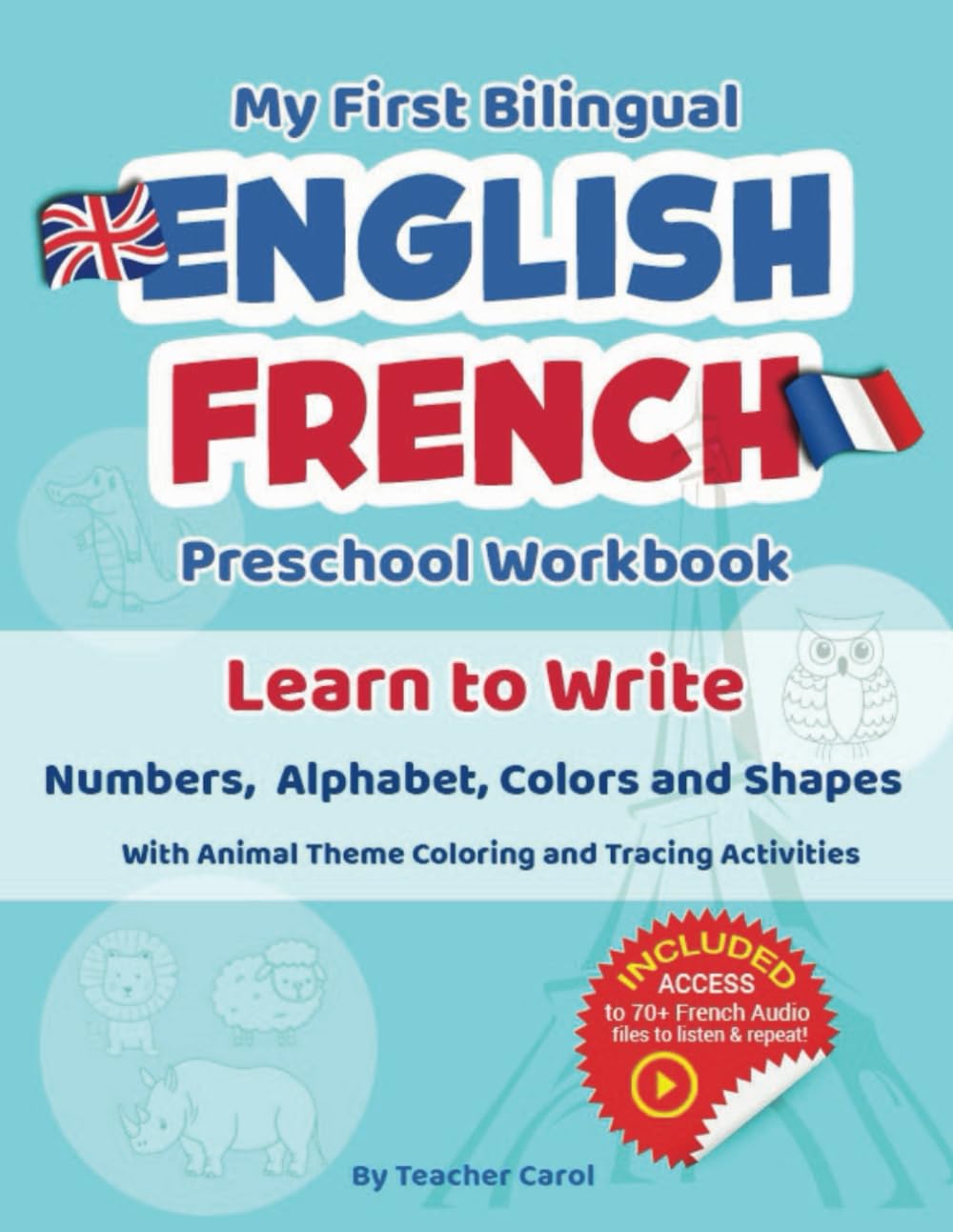


Finland does not begin formal reading instruction until age seven. This is not a recent experiment. It has been Finnish policy for decades. And yet Finland consistently ranks among the top countries in the world for reading literacy, both in the PISA assessments and in measures of lifelong reading habits.
Children in Finnish kindergartens spend their days playing, building, singing, and being read to. Phonics instruction begins in first grade, when the brain is typically ready for it. The result is not a country of late readers. It is a country where reading difficulties are rare and reading pleasure is normal.
We know this. The data has been published, translated, and discussed in educational circles for years. We continue to hand four-year-olds phonics workbooks anyway, because the anxiety is louder than the evidence, and because no one wants to be the parent who did nothing while everyone else was drilling letter sounds at bath time.
Countries that delay formal reading instruction do not produce worse readers. They produce readers who learned without distress, which turns out to matter enormously for what comes next.
What Early Pressure Actually Does
Kathy Hirsh-Pasek and Roberta Golinkoff spend considerable time in Einstein Never Used Flashcards documenting what happens when academic pressure arrives before a child’s development is ready for it. The answer is not acceleration. It is often the opposite: anxiety, avoidance, and a connection between books and stress that can take years to undo.
A child who learns to read at five under pressure may read competently. A child who learns at seven when their brain and confidence are ready may read with joy. By third grade, most studies show no meaningful academic difference between the two groups. But there is a difference in how each child feels about books, and that difference compounds over a lifetime.
We do not talk about this enough. We measure reading age. We rarely measure reading pleasure, reading frequency, or the habit of turning to books when things are difficult. Those outcomes matter far more in the long run, and early pressure quietly works against all of them. The child who was drilled through phonics at four may decode perfectly at eight and never choose to open a book at eighteen.
What Helps Instead
Jim Trelease spent decades studying what actually produces strong, lifelong readers, and the answer he kept arriving at was simpler than any curriculum. In The Read-Aloud Handbook, the argument is direct: children who are read to, regularly and with warmth, develop the vocabulary, the comprehension, and above all the desire to read independently. Not because they were drilled. Because reading was shown to them as something pleasurable, something that happened in a safe and connected space.
Reading aloud to a child who cannot yet decode is not a consolation prize for parents of slow readers. It is the most powerful reading intervention available, at any age, for any child. A seven-year-old who has been read to every night for five years arrives at formal reading instruction already knowing what stories feel like, already hooked before the mechanics begin.
A child who grows up hearing stories every night does not need to be taught to love reading. They arrive at it already knowing what it feels like from the inside.
The Lagom of Reading
There is a Swedish concept we return to often in this space: lagom, the sustainable middle way. Not too much, not too little. The right amount, at the right time, for what is actually needed.
Applied to reading, it means trusting that your child’s brain will be ready when it is ready. It means reading to them every day not as preparation for a milestone but as something worth doing for its own sake. It means resisting the anxiety that comes from comparison, because the comparison is almost always between children at very different points on a completely normal developmental range.
The goal is not a child who reads at four. It is a child who, at fourteen, still chooses to pick up a book. Everything we do before that moment either builds toward it or quietly works against it, and the most powerful thing we can do turns out to be the simplest one: sit down together, open a book, and begin.
Parenting is the longest experiment any of us will ever run. I am still reading the results.
Lila Sjoberg


Sources