Skip to content

Lila Sjöberg


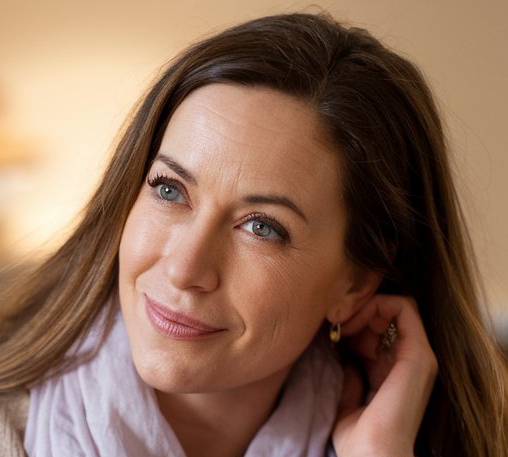
Portrait of Lila Sjöberg, wellness and parenting expert

As a leading voice in the wellness and dietetics community, Lila Sjöberg brings a unique and deeply personal perspective to health and nutrition. A mother of three, her intensive journey through parenting became the catalyst for her work, driving her to create and maintain this blog as a trusted resource for future parents.


While her roots are in traditional dietetics, her most profound education has come from raising her children, informed by Sweden's rigorous national parental education programs (föräldrautbildning) and the child-centric, evidence-based philosophy of the Swedish healthcare system. This real-world experience, combined with her academic foundation, allows her to blend cutting-edge research with actionable, family-tested advice.


Lila’s philosophy is centered on the Swedish concept of "lagom"—finding the balanced, sustainable middle way. She believes true wellbeing is achieved not through extremes, but through mindful moderation and harmony, especially within the family unit. To ensure the highest accuracy and credibility, Lila grounds all her content from personal experiences and in trusted sources, including:


- The Swedish National Food Agency (Livsmedelsverket)
- The Swedish Board of Health and Welfare (Socialstyrelsen)
- Reputable international health portals like Healthline, the Mayo Clinic, and National Center for Biotechnology Information.


By combining her lived expertise as a mother, her Swedish health principles, and the latest research, Lila creates content that is not only informative but genuinely resonant, empowering readers to build healthier, more balanced lives for themselves and their families.


Please Note: The advice and information provided in this blog are for informational purposes to support parents in making informed decisions. They are not a substitute for professional medical advice, diagnosis, or treatment. Always consult with your pediatrician or a qualified healthcare provider regarding any questions you may have about your child's health and wellbeing.
Every article on this blog is written by a real human, For professional consultation requests, I'm available for hire and responds to all inquiries personally.
child lie

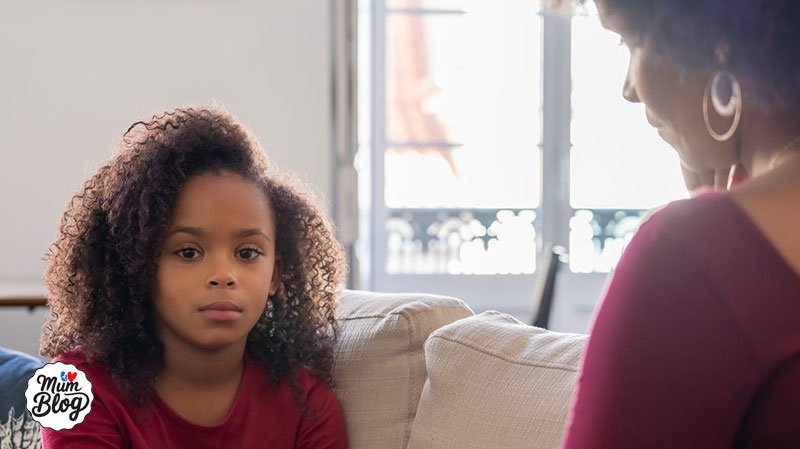
Children Lie More When They Are Afraid of the Consequence. Honesty Is a Safety Issue, Not a Moral One.

Children do not lie because they are morally deficient. They lie because they have correctly identified that the truth produces a worse outcome than an alternative. Victoria Talwar at McGill found that children from strict punishment-heavy schools were significantly better liars. The environment designed to produce good behaviour produced expert deception instead. Honesty is not a moral issue. It is a safety issue.

Telling Your Child to Be Careful

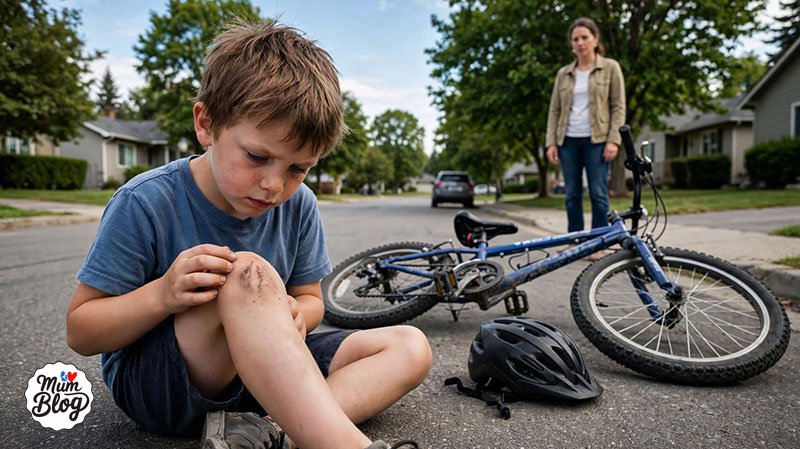
You Keep Telling Your Child to Be Careful. Science Says It Is Making Them Less Safe.

Telling your child to be careful feels like good parenting. Research says it teaches them that risk is something adults fear, not something children can learn to manage. Norwegian researcher Ellen Sandseter found that risky play, including heights, speed, and rough-and-tumble, is necessary for developing risk assessment, physical confidence, and lower anxiety. Safe playgrounds may be producing less capable adults.

Reading to Your Baby

Reading to Your Baby Before They Understand Words Changes Their Brain. Here Is What Happens.

A three-week-old baby does not understand words. Reading to them anyway changes their brain. Newborns already recognise their mother’s voice and show a preference for languages heard in the womb. The brain forms one million synaptic connections per second in the first three years. fMRI scans show measurable differences in brain structure between children who are read to regularly and those who are not.

Children Who Are Allowed to Fail

Children Who Are Allowed to Fail Early Do Better Later. Here Is the Research Parents Need to Read.

Children today fail less often than they did forty years ago. By multiple measures of psychological wellbeing, they are not doing better. An eight-year study found that overcontrolled toddlers had measurably less self-regulation by age five. The skills adversity builds do not develop in the absence of adversity. Lila Sjöberg explains what the research actually says.

saying sorry

Saying Sorry to Your Child When You Are Wrong Is Not Weakness. It Is the Most Powerful Thing You Can Do.

Most parents believe apologising to their children undermines authority. A 2017 study of 300 parents found the opposite: parents who apologised when wrong had significantly more secure parent-child attachment. The research on rupture and repair shows that what builds security is not the absence of mistakes but the consistent presence of repair.

Ad section, thank you for your support!
Ads Blocker Image Powered by Code Help Pro

A small favour before you continue...

These articles and stories are free because of a few non-intrusive ads. To support me, simply turn off your ad blocker for MumBlog. It takes one click on the ad blocker icon in your browser.
Thank you!

Light